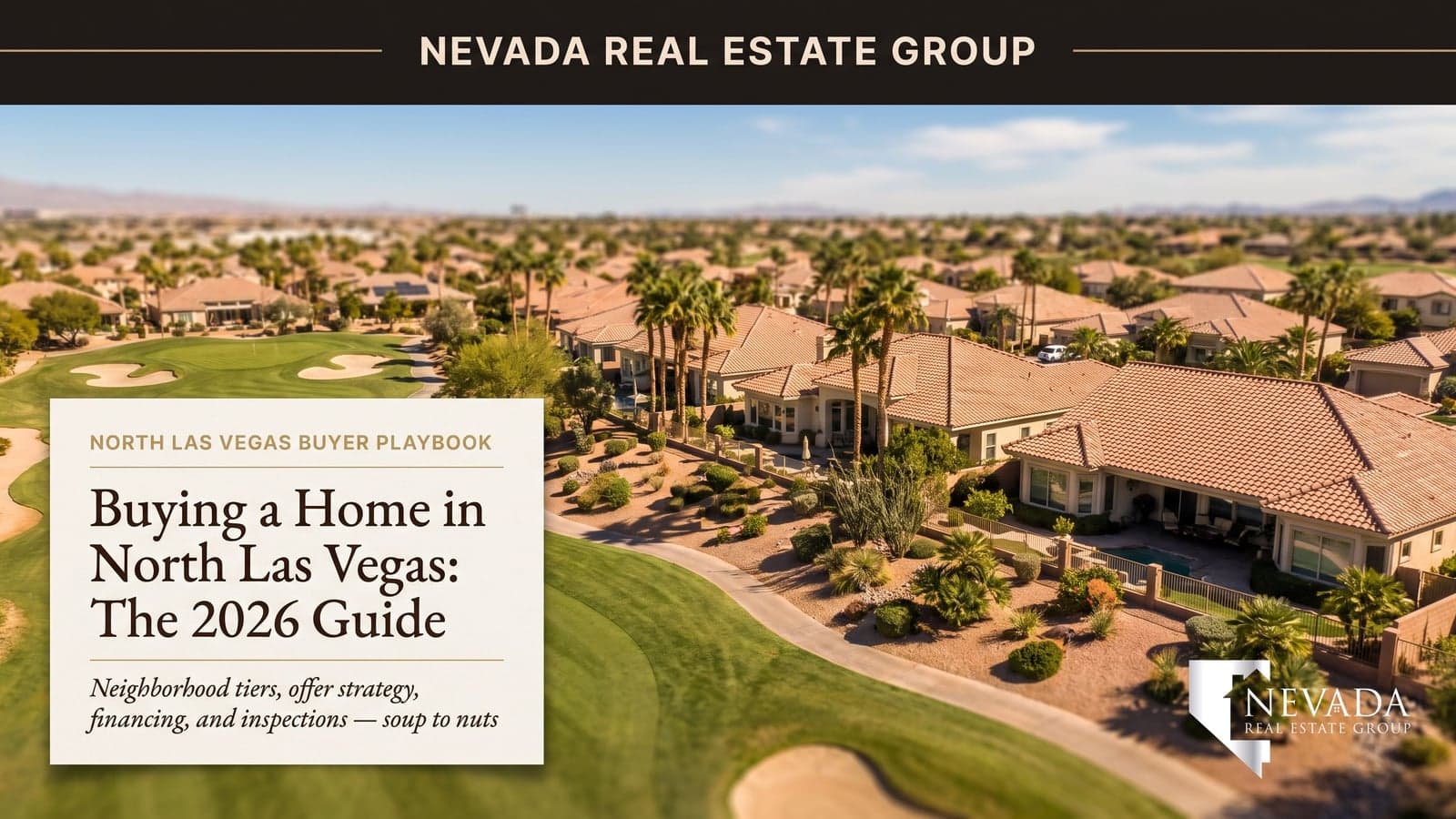

North Las Vegas is where the Las Vegas valley's price-to-value math still works. The city's median list price sits a full tier below Henderson and most of Las Vegas proper, the new-construction pipeline is the busiest in Southern Nevada, and the buyer pool knows it — well-priced homes here go pending in three weeks. I've negotiated North Las Vegas purchases across every corner of the city, from 1970s ranch homes near the old downtown to just-released phases north of the 215, and the mechanics of winning here are specific enough to deserve their own guide.
This is the transaction playbook: what to offer, how to finance it, what the inspector needs to climb on, and where the special-assessment landmines hide. If you want the lifestyle side — parks, schools, restaurants, what living here actually feels like — read the companion North Las Vegas relocation guide after this one.
Buying a home in North Las Vegas in 2026 means competing for 1,070 active listings at a $425,000 median list price, where the median sale goes pending in 21 days. Expect a 30-to-45-day escrow, FHA-friendly pricing, and two city-specific diligence items: aging roofs, AC, and plumbing on southeast older stock, and SID/LID special assessments in the new master plans. Get pre-approved before touring — then call (702) 637-1759.
- 1,070 active North Las Vegas listings; median list price $425,000 (live GLVAR feed, July 12, 2026).
- 523 homes closed in the last 90 days — median sold price $425,000, median 21 days on market.
- 443 actives sit under $400,000, making this the valley's strongest FHA and first-timer market.
- Older southeast homes need roof, HVAC, and plumbing inspections; new areas carry SID/LID assessments.
- Budget roughly 2-3% of price for buyer closing costs on top of your down payment.
What Does the North Las Vegas Market Look Like in July 2026?
Every number in this section comes from Nevada Real Estate Group's live GLVAR MLS feed, pulled July 12, 2026 — the same data feed that powers our home search. Methodology: city-scoped counts and medians across all active and 90-day-closed residential sale listings in North Las Vegas.
- 1,070 active listings citywide, at a median list price of $425,000
- 523 closed sales in the last 90 days, at a median sold price of $425,000
- Median 21 days on market for those closings; the average is 37 days, dragged up by overpriced listings that sit
- 443 active listings under $400,000 — 41% of the entire market
- 159 active listings at $550,000 or above — the move-up and luxury tier is only 15% of inventory
- 95 actives built in 2024 or later, reflecting the busiest new-home pipeline in the valley
- 251 actives with no HOA — the no-HOA pockets are real, and they cluster in the older southeast
Read those numbers together and the story is clear: this is a fast, affordable, entry-heavy market. The median list and median sold prices sitting at the same $425,000 tells you correctly priced homes are selling at essentially full ask. According to Las Vegas REALTORS, the broader valley has hovered near balanced-market territory through 2026 — but a 21-day median in the under-$450,000 band means the entry tier of North Las Vegas behaves like a seller's market even when the valley-wide stats look calm.
Which North Las Vegas Neighborhoods Fit Which Budget?
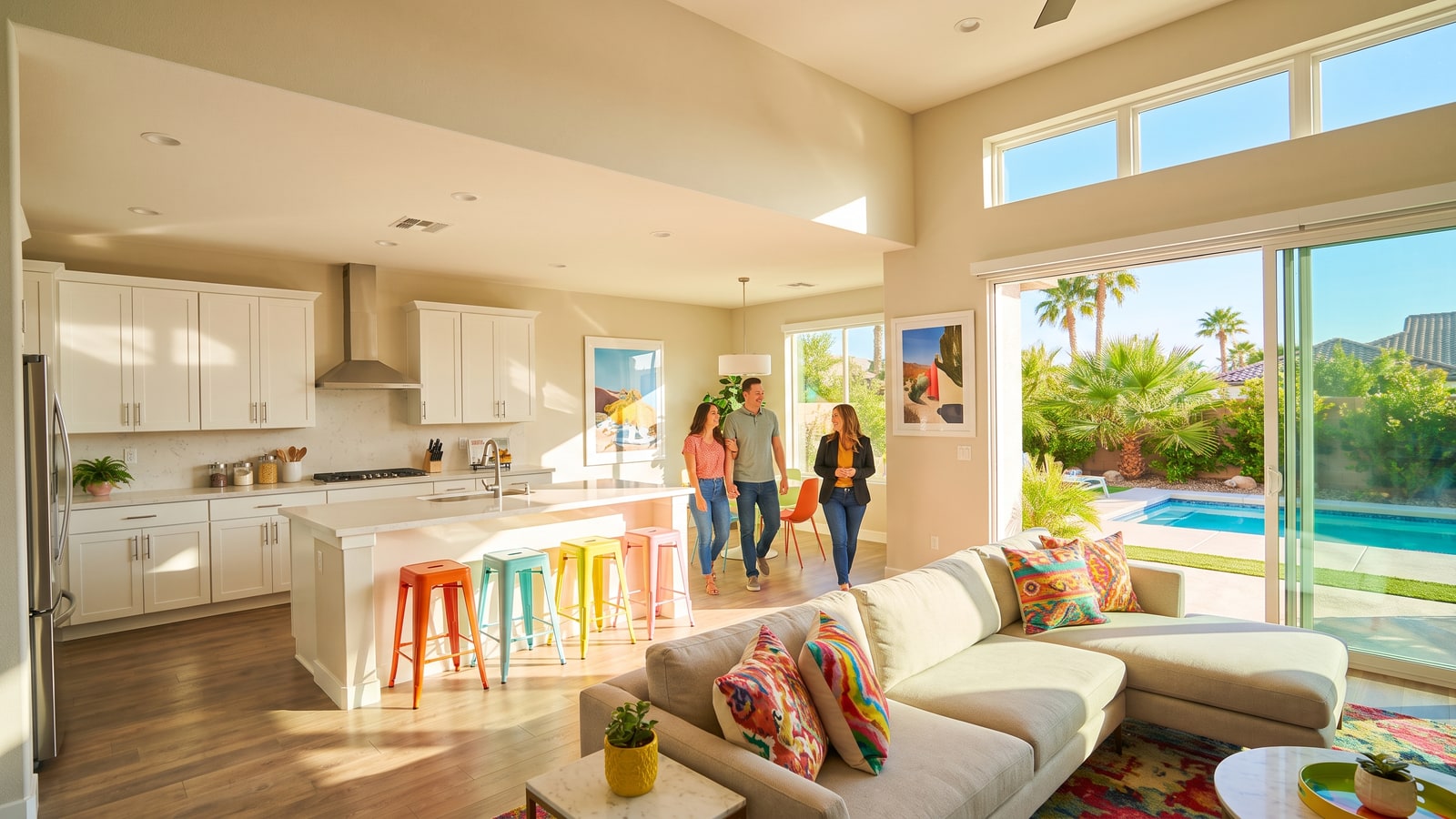
North Las Vegas is really three markets wearing one city name, and your budget largely picks your tier. The full neighborhood-by-neighborhood ranking lives in our best North Las Vegas neighborhoods breakdown; here is the transaction-focused version.
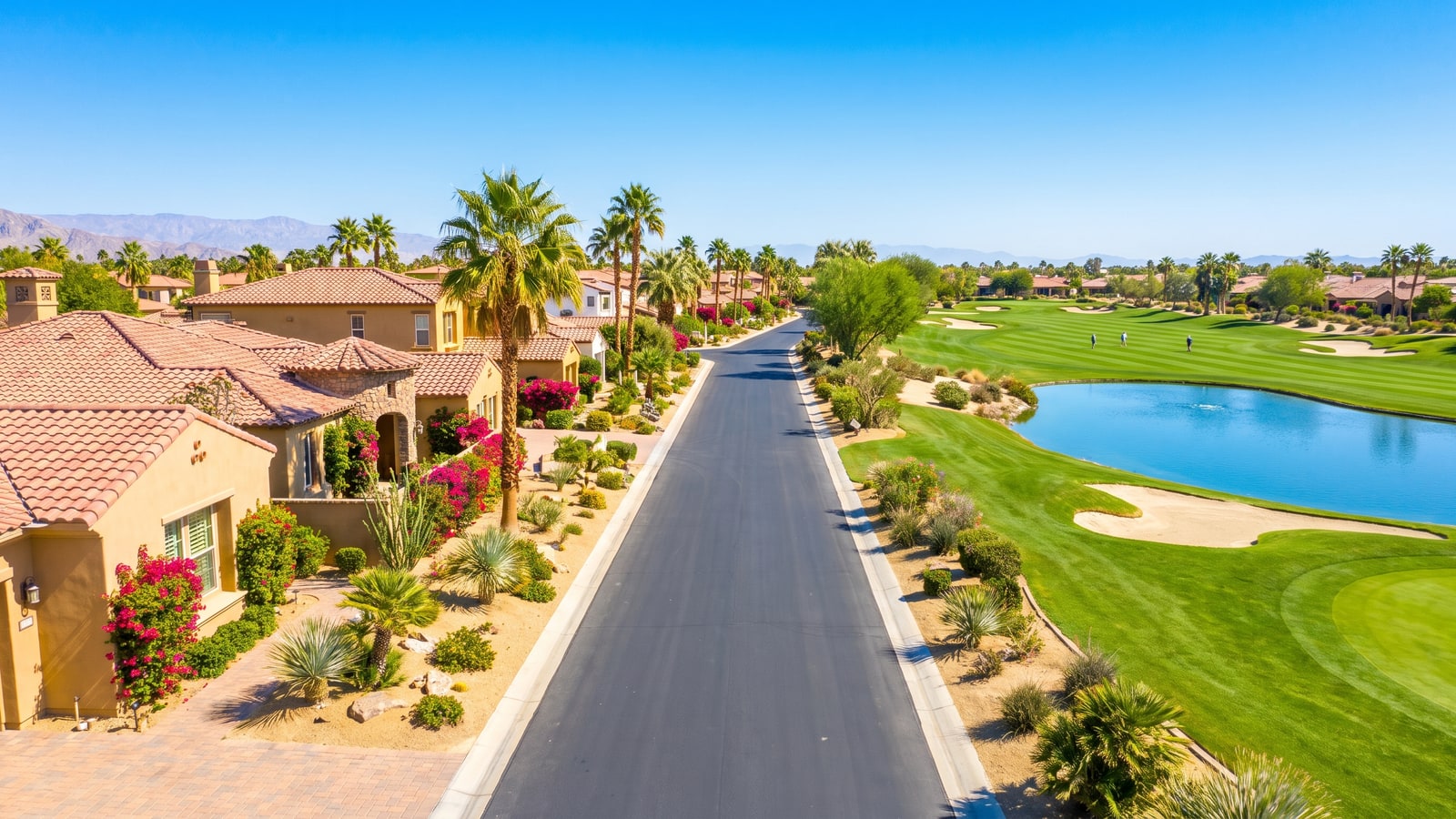
The established northwest is the comfort zone: Aliante, a 1,905-acre master plan built around a golf course and nature preserve, plus Eldorado and the Craig Ranch corridor around its 170-acre regional park. Homes here mostly date from the late 1990s through the 2000s, HOAs are standard but modest, and pricing runs from the low $400,000s for a mid-size single-story to the $600,000s for golf-adjacent square footage. Sun City Aliante adds a dedicated 55-plus option inside the same footprint.
The southeast older stock — the neighborhoods south of Craig Road and east of I-15, down through the original townsite — is the value play. This is where most of the 443 under-$400,000 listings live: 1950s-to-1990s block and frame homes, larger lots, mature trees, and very often no HOA at all. The trade: these homes need the most rigorous inspections in the city, which I cover in detail below.
The new master plans north and west of the 215 — Villages at Tule Springs, Valley Vista, and Sedona Ranch — are where the growth is. Brand-new energy-efficient homes from the low $400,000s, builder incentives on the table, and the one line item buyers consistently miss: SID/LID special assessments layered onto the property tax bill.
| Dimension | Established northwest (Aliante, Eldorado, Craig Ranch) | Southeast older stock | New master plans (Tule Springs, Valley Vista, Sedona Ranch) |
|---|---|---|---|
| Typical price range | $400,000-$600,000+ | $280,000-$400,000 | $400,000-$600,000+ |
| Home vintage | Late 1990s-2010s | 1950s-1990s | 2020-2026, many brand new |
| HOA situation | Standard, usually modest dues | Often none | Master + sub HOA common |
| SID/LID assessments | Mostly paid down or minimal | Rare | Common — verify balance before offering |
| Inspection intensity | Moderate — systems reaching mid-life | Highest — roof, HVAC, plumbing, panel | Lower, but never skip it on new builds |
| Best fit | Move-up buyers, golf and park lifestyles | Value hunters, investors, no-HOA buyers | Low-maintenance buyers, warranty seekers |
How Does the Offer Process Work When Homes Go Pending in 21 Days?
A 21-day median means roughly half of correctly priced North Las Vegas listings accept an offer within three weekends of hitting the market. In my experience, the buyers who win here are not the ones offering the most — they are the ones who show up complete. Here is what a winning offer package looks like in this city right now:
- A real pre-approval, not a pre-qualification. Listing agents in this market sort offers by lender credibility first. A fully underwritten pre-approval letter from a known local lender beats a higher offer with a shaky online pre-qual more often than buyers believe.
- Earnest money around 1% — about $4,250 on the median home. Below that reads as uncommitted; meaningfully above it signals strength on a competitive weekend.
- A due-diligence period of 7-10 days. Nevada's standard purchase agreement uses a single due-diligence window covering inspections. Ten days is normal; seven is aggressive and wins ties.
- Realistic seller concessions. In the under-$400,000 band, sellers in 2026 still routinely contribute 2-3% toward buyer closing costs — but on a fresh listing in Aliante, asking for 3% plus a price cut is how you lose to the second-best offer.
- A clean appraisal strategy. With median list and median sold at the same $425,000, most homes appraise. Where I've seen appraisal gaps is remodeled southeast flips priced $30,000-$40,000 above their unrenovated neighbors — decide before you offer whether you would cover a $10,000 gap.
Homes that sit past 30 days are a different game: the average DOM of 37 tells you a meaningful stale tail exists, and those sellers negotiate. Across the 9,600+ closings our team has represented, the pattern holds everywhere in Nevada — but in North Las Vegas the split between "three offers the first weekend" and "name your terms after week five" is unusually sharp. Your agent's first job is telling you which listing type you're standing in. Backup offers are also live tools here — if you lose a bidding war, a well-written backup position costs nothing and converts more often than most buyers expect.
What Should Your Timeline Look Like From Pre-Approval to Keys?
| Stage | Typical duration | What happens |
|---|---|---|
| Pre-approval | 2-5 days | Lender verifies income, credit, assets; sets your real budget |
| Home search + tours | 2-6 weeks | Shortlist neighborhoods, tour, track new listings daily |
| Offer to acceptance | 1-5 days | Submit, negotiate counters, open escrow with title company |
| Due diligence | 7-10 days | Inspections, HOA resale package review, repair negotiations |
| Appraisal + underwriting | 2-3 weeks | Lender orders appraisal, clears conditions, issues final approval |
| Closing | 2-3 days | Final walkthrough, sign, fund, record — keys at recording |
Total contract-to-close time in North Las Vegas runs 30-45 days for financed purchases — 30-35 on conventional with a responsive lender, closer to 40-45 on FHA and VA when appraisal scheduling stacks up. Two Nevada-specific checkpoints inside that window deserve flags. First, the Seller's Real Property Disclosure: Nevada Revised Statutes chapter 113 requires sellers to deliver a completed disclosure form at least 10 days before conveyance — read every "yes" box and ask for the repair history behind it. Second, if the home has an HOA, NRS 116.4109 gives you the resale package — CC&Rs, budget, reserve study, any pending litigation or special assessments — and the statutory right to cancel the purchase within five days of receiving it. In a master-planned city like this one, I read the resale package as carefully as the inspection report.
How Do Most Buyers Finance a North Las Vegas Home?
This is the most FHA-friendly major submarket in the valley, and the math explains why. With 41% of active inventory under $400,000, most of the city prices comfortably inside government-loan territory. According to HUD, FHA loan limits are set annually by county, and the Clark County single-family limit sits well above North Las Vegas's $425,000 median — meaning FHA reaches essentially the entire entry and mid tier here, which is not true in Summerlin or much of Henderson.
What the down payment actually looks like on the $425,000 median:
- FHA, 3.5% down: $14,875 — the workhorse loan of this market, credit scores from 580
- Conventional, 3% down (first-time programs): $12,750 — competitive when your score is 700+
- Conventional, 5% down: $21,250 — stronger offer optics, lower mortgage insurance
- VA, zero down: $0 — and with Nellis Air Force Base on the city's eastern edge, VA offers are a fixture here; sellers in this market know how smoothly they close
- Nevada down payment help: the Nevada Housing Division's Home Is Possible program offers qualifying buyers assistance worth up to several percent of the loan amount, stackable with FHA — I've seen it turn "two more years of saving" into "offer this weekend"
Rates set the monthly reality. According to Freddie Mac's Primary Mortgage Market Survey, the 30-year fixed has spent 2026 in the mid-6% range; at 6.5% a $410,125 FHA loan balance (after 3.5% down, before financed mortgage insurance) pencils to roughly $2,590 monthly principal and interest. Add property taxes — held down by Nevada's abatement law, which according to the Clark County Assessor caps annual tax increases at 3% on owner-occupied homes — plus insurance, any HOA dues, and any SID/LID assessment, and a realistic all-in payment on the median home lands near $3,000-$3,200. Start with our buyer resources and get the lender conversation done first; in a 21-day market, financing prep is offer strategy.
What Should Inspections Catch on Older North Las Vegas Homes?
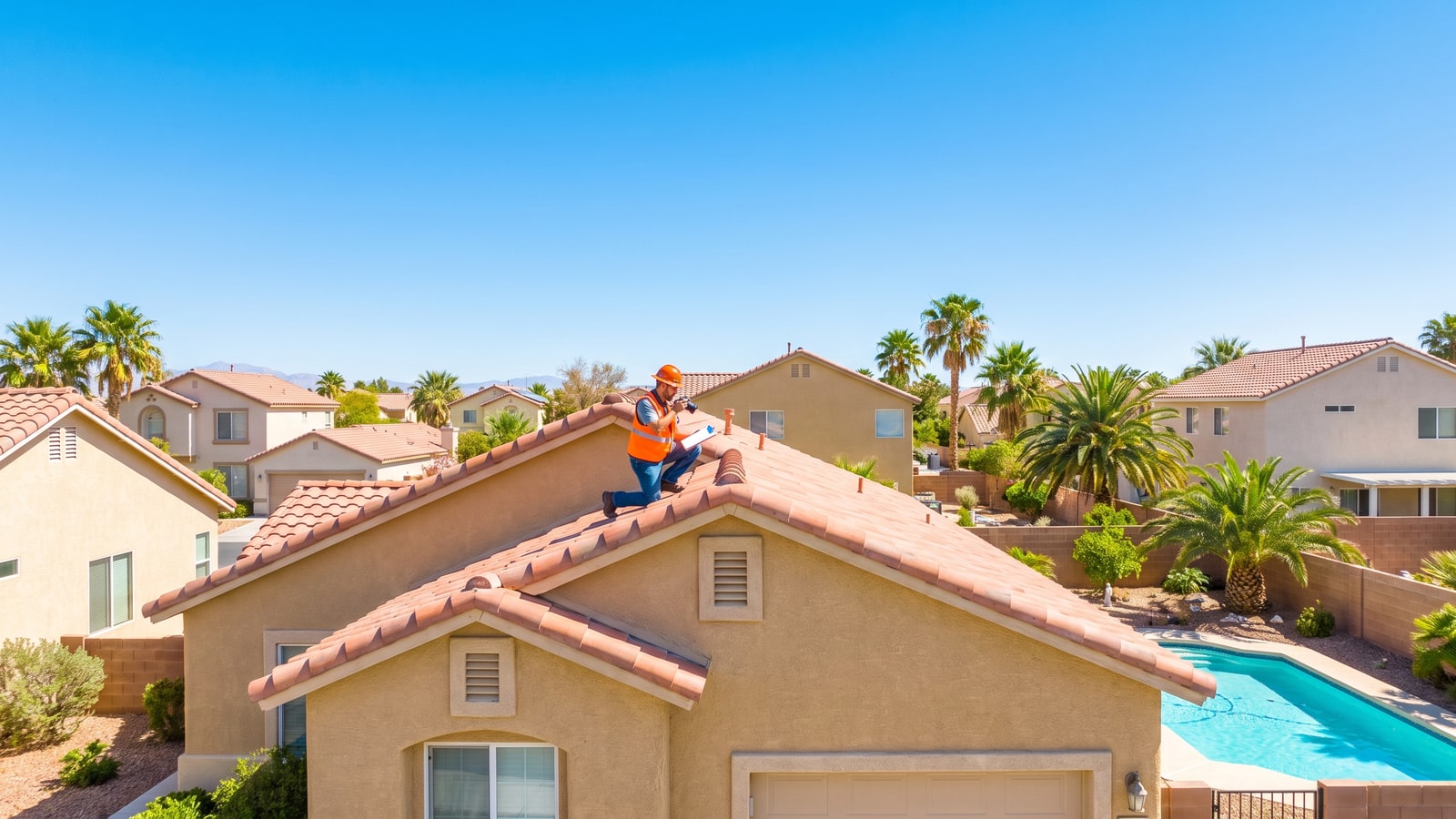
The southeast older stock is where North Las Vegas bargains live and where inspection discipline pays for itself. On homes built between the 1950s and early 1990s, your general inspector — and the specialists they trigger — should be laser-focused on five systems:
- Roofs. Original tile roofs from the 1980s-90s often have underlayment at or past its 25-30-year life even when the tiles look fine from the curb; full underlayment replacement runs $12,000-$20,000. Older shingle and converted wood-shake roofs can be near end-of-life entirely. Get a roofer's bid, not just an inspector's note.
- HVAC. Desert duty is brutal — an air conditioner here lives 10-15 years. A 2008 condenser "working at time of inspection" in July is a $8,000-$12,000 replacement you should negotiate now, not discover next summer.
- Plumbing. Pre-1975 homes may carry original galvanized steel supply lines that corrode from the inside; a whole-home repipe runs $8,000-$15,000. On any older home I also recommend a $200-$300 sewer camera scope — root intrusion and clay-line breaks between house and main are common, and repairs can exceed $10,000.
- Electrical panels. Certain legacy panels common in 1960s-70s construction are insurance red flags; a panel replacement runs $2,500-$4,500. Your insurer may require it before binding coverage, so surface this inside due diligence.
- Water heaters and settlement. Standard checks, but desert soil movement shows up as stair-step cracking in block walls — most is cosmetic, some is not, and a structural engineer's letter ($400-$600) is cheap certainty.
In my experience, a well-documented $6,000-$10,000 repair credit request — backed by contractor bids, not inspector adjectives — succeeds far more often on these homes than a price-cut demand of the same size. Sellers of 40-year-old houses expect a repair conversation; give them one they can say yes to. And on new construction, do not skip the inspection because there's a warranty — a $400 inspection at the pre-drywall or final walk stage catches items a busy builder super misses.
Should You Buy in an HOA Community or a No-HOA Pocket?
North Las Vegas gives you a genuine choice most master-planned valley cities don't: 251 of the 1,070 active listings carry no HOA at all. The no-HOA inventory clusters in the older southeast, while nearly everything in Aliante, Eldorado, and the new master plans carries dues.
The honest trade-off: HOA communities in this city buy you maintained common areas, gated options, parks, and — critically for resale — enforced curb-appeal standards that protect neighborhood comps. Dues in most North Las Vegas communities are moderate: commonly $50-$120 monthly for a standard sub-association, with master-plan layers pushing combined dues to $150-$250 in amenity-rich areas. No-HOA pockets buy you freedom — RV and trailer parking, work trucks, casitas, no design committee — plus roughly $1,000-$2,500 a year in avoided dues, at the cost of streetscape variance that can drag comps.
Transactionally, the HOA route adds two diligence items: the NRS 116 resale package review (budget an hour with your agent, and use your five-day cancellation right if the reserves are thin or litigation is pending) and transfer/setup fees at closing that typically run $300-$600. If the no-HOA lifestyle is the point — and for investors and trades households it often is — filter for it from day one rather than falling for an HOA house and fighting the rules later.
What Are SIDs and LIDs — and Why Do New-Area Buyers Care?
Special Improvement Districts and Local Improvement Districts are how North Las Vegas finances streets, sewers, and parks in brand-new areas: the city sells bonds, builds the infrastructure, and attaches repayment to each lot as a special assessment under NRS chapter 271. According to the City of North Las Vegas, these assessments appear as separate line items alongside your property tax bill, and they are exactly the kind of cost a payment-focused buyer misses until the first bill arrives.
What that means in practice inside Valley Vista, Villages at Tule Springs, and other post-2020 areas:
- The assessment adds a real monthly-equivalent cost — commonly in the $50-$150 range depending on district and lot, running for a bond term that can span 10-30 years.
- The remaining balance is a lien that transfers with the property. Before your due-diligence window closes, your title company should pull a payoff demand showing the exact remaining balance and annual installment.
- Balances are sometimes negotiable. On resales, I've negotiated seller payoffs of SID balances as part of the deal — a $6,000-$9,000 payoff can beat a price reduction of the same size because it permanently lowers your carrying cost.
- Builders quote payments with and without the assessment inconsistently. When comparing a new-construction quote against a resale, put both on the same all-in monthly line: principal, interest, taxes, insurance, HOA, and SID/LID.
None of this makes new areas a bad buy — the infrastructure is the reason the parks and roads are excellent on day one. It just belongs in your math from the first showing, not at the closing table.
Is New Construction a Better Deal Than Resale in 2026?
Right now, 95 of the city's active listings were built in 2024 or later — and that understates the pipeline, because builders sell most inventory from models and lot releases that never hit the MLS. North Las Vegas is the valley's volume new-home market, and in mid-2026 builders are still buying down rates and paying closing costs to keep absorption moving.
The case for new: builder incentives in this market have routinely reached $10,000-$25,000 in rate buydowns and closing-cost credits on quick-move-in homes; you get 2026 energy code efficiency (real money at NV Energy summer rates), a structural warranty, and no 1980s roof to negotiate. The case for resale: established landscaping and larger lots, no SID surprise if the district is paid down, mature neighborhoods with known comps, and — per the tier table above — entry pricing the builders cannot touch. A $360,000 southeast resale with $15,000 of negotiated repairs still beats a $430,000 new build on pure affordability, if you go in eyes-open on the systems.
Two rules if you go the builder route. First, the builder's on-site agent represents the builder — bring your own representation, confirm in writing before you tour whether the builder pays your agent, and register your agent on the first visit or lose the right. Second, use your own lender quote as leverage even if the builder's in-house financing wins: the incentive packages tied to in-house lenders are real, but so are the rate premiums sometimes buried inside them. We break down the full new-vs-resale decision for first-timers in our North Las Vegas first-time buyer guide, and you can compare builder activity across the whole valley on our new-construction hub.
How Does the Commute Math Work From North Las Vegas?
Commute is the quiet variable in every North Las Vegas purchase, because the city's value proposition depends on it. The practical drive times most of my buyers care about:
- Downtown Las Vegas: 10-15 minutes via I-15 south from most of the city
- The Strip corridor: 20-30 minutes depending on where you start and where on the Strip you land
- Nellis Air Force Base: 10-20 minutes from almost anywhere in the city — the reason VA buyers dominate certain neighborhoods
- The VA Medical Center on the city's north side: minutes from Aliante and Eldorado
- Apex Industrial Park and the manufacturing corridor: a reverse commute up I-15 north that keeps getting shorter as the interchange work finishes
The CC-215 beltway is the spine — Aliante, Eldorado, and the new master plans all feed it directly, which is why the northwest tier commutes better than its distance suggests. The southeast older stock trades beltway access for I-15 proximity: faster to downtown, slower to the western valley. According to the Regional Transportation Commission of Southern Nevada, the valley's northern corridors continue to see some of its heaviest capacity investment, which is long-term good news for every tier. If you're weighing North Las Vegas against the rest of the valley as an out-of-state transplant, our moving to Las Vegas overview maps every submarket against the major job centers. My advice is unglamorous and non-negotiable: drive your actual commute at your actual hour before you write the offer. A house that saves $40,000 but adds 25 minutes each way costs you that savings back in about three years of your time.
What Do Closing Costs Look Like on a $425,000 Purchase?
Nevada is a moderately priced closing state, and North Las Vegas buyers should budget roughly 2-3% of purchase price in closing costs and prepaids on top of the down payment. On the $425,000 median:
| Line item | Typical cost | Notes |
|---|---|---|
| Lender fees (origination, underwriting) | $1,200-$2,500 | Varies most by lender — shop this line |
| Appraisal | $550-$700 | Paid at order, FHA/VA slightly higher |
| Title and escrow fees | $1,500-$2,500 | Split with seller per Southern Nevada custom |
| Lender's title insurance | $900-$1,300 | Owner's policy customarily seller-paid here |
| Inspections (general, sewer, pool) | $400-$900 | Paid during due diligence, not at closing |
| Prepaids (taxes, insurance, interest) | $3,000-$5,500 | Escrow account setup + first-year insurance |
| HOA transfer/setup (if applicable) | $300-$600 | Per NRS 116 resale package and demand fees |
Real property transfer tax in Clark County runs $2.55 per $500 of value — about $2,167 on the median sale — and by local custom the seller pays it, though everything is negotiable in writing. The bigger lever is seller concessions: FHA allows the seller to contribute up to 6% of price toward your costs, conventional 3% at lower down payments. In this market, a well-structured offer at full price with a 2% concession ($8,500) frequently nets you more than a $8,500 price cut, because the concession is cash you don't bring to closing while the price cut only trims your payment by about $45 a month. If you're selling a home to fund this purchase, start with our home value estimator and read up on seller-side strategy — sequencing both sides is its own discipline.
Which Mistakes Trip Up North Las Vegas Buyers Most Often?
After years of closings in this specific city, the same handful of unforced errors keep appearing:
- Touring before pre-approval. In a 21-day market, finding the right house before your financing is ready means watching someone else buy it.
- Skipping the sewer scope on older stock to save $250 — then inheriting a $12,000 lateral repair.
- Ignoring the SID/LID line on a new-area home and discovering the true payment is $120 a month higher than the loan estimate implied.
- Waiving the resale-package read. Five days to cancel exists for a reason; thin reserves today are a special assessment tomorrow.
- Treating the builder's site agent as your agent. They are lovely people who work for the other side.
- Chasing the average instead of the street. City-wide medians set context, but the offer that wins is priced against the last 90 days on that street — which is exactly the comp work your agent should show you before you sign anything.
Every one of these is avoidable with sequencing: lender first, agent second, neighborhoods third, offers last. That's the entire secret.

Why Do Buyers Work With Nevada Real Estate Group?
Because this city rewards specific knowledge. The difference between a good and bad North Las Vegas purchase is rarely the house — it's whether someone flagged the SID balance, priced the roof before the offer, read the reserve study, and knew that the listing sitting at day 41 would take $15,000 less than ask. That's pattern recognition, and it comes from volume.
Nevada Real Estate Group is the #1-ranked real estate team in Nevada, with more than $4.85 billion in career sales volume, 9,600+ closed transactions, and 789 closings in 2025 alone. We pull the live MLS data you saw at the top of this guide every single day, we work every tier of this city from southeast fixers to Tule Springs new builds, and before you tour we put our compensation in a written buyer agreement and confirm whether the seller or builder will pay it (see how buyer-broker agreements work in Nevada). Start browsing every North Las Vegas listing, dig into the city hub for community-by-community detail, read more about our team, or skip straight to the conversation: call or text (702) 637-1759, or tell us what you're looking for and we'll have a shortlist and a lender introduction back to you the same day.
Frequently Asked Questions
What does the home buying process and timeline look like in North Las Vegas?
Plan on 30-45 days from accepted offer to keys: a 7-10-day due-diligence window for inspections and HOA document review, 2-3 weeks of appraisal and underwriting, then signing and recording. Add your search time up front — in a market where the median listing goes pending in 21 days, buyers who tour with a completed pre-approval move from first showing to accepted offer dramatically faster than buyers who start the lender conversation after finding the house.
How competitive are offers in North Las Vegas right now?
Two-speed. Correctly priced homes — especially under $450,000 — draw multiple offers and go pending within three weekends, which is why the median days on market is 21. Overpriced listings sit, which is why the average is 37. On fresh listings, lead with strength: full underwritten pre-approval, roughly 1% earnest money, and a tight due-diligence window. On listings past 30 days, negotiate — price, concessions, and repairs are all on the table.
Which North Las Vegas neighborhoods fit a $400,000 budget?
At $400,000 you're choosing between the best of the southeast older stock — remodeled homes on big lots, often with no HOA — and entry points into the established northwest around Eldorado and the edges of Aliante, plus base-model new construction in Valley Vista and Villages at Tule Springs. With 443 of the city's 1,070 active listings priced under $400,000, this budget has more real selection in North Las Vegas than anywhere else in the valley.
Is North Las Vegas an FHA-friendly market?
The friendliest in Southern Nevada. The Clark County FHA loan limit comfortably covers the city's $425,000 median, 41% of active inventory prices under $400,000, and sellers here see FHA offers constantly, so the stigma you might encounter in luxury submarkets barely exists. With 3.5% down ($14,875 on the median) plus Nevada Housing Division assistance programs, FHA is the path most first-time buyers in this city actually take.
What inspections matter most on older North Las Vegas homes?
On pre-1995 southeast stock: roof underlayment condition (not just visible tile), HVAC age and output, galvanized supply plumbing on pre-1975 homes, a sewer camera scope, and the electrical panel brand. Those five findings drive nearly every repair negotiation. Budget $400-$900 for the inspection package; the repair credits it produces routinely run into the thousands.
How much are closing costs when buying in North Las Vegas?
Roughly 2-3% of purchase price in lender fees, title and escrow, and prepaids — call it $8,500-$12,750 on the $425,000 median — on top of your down payment. Seller concessions are common and allowed up to 6% on FHA, and by Southern Nevada custom the seller pays the owner's title policy and the transfer tax, which keeps the buyer side of a Nevada closing lighter than in most states.
Should I buy in an HOA community or a no-HOA pocket?
Buy the HOA community if you value maintained amenities, gates, and protected comps — dues in most North Las Vegas communities run a moderate $50-$250 monthly across all layers. Buy no-HOA if you need RV parking, work vehicles, or maximum freedom, and accept more streetscape variance. The city genuinely offers both, with the no-HOA supply concentrated in the older southeast — just review the NRS 116 resale package carefully whenever an HOA is involved.
Which Sources Inform This North Las Vegas Buying Guide?
Inventory, pricing, days-on-market, and segment counts come from Nevada Real Estate Group's live GLVAR MLS feed, pulled July 12, 2026 (1,070 actives at a $425,000 median list; 523 closed sales over 90 days at a $425,000 median and 21-day median DOM; price-band, new-build, and no-HOA counts as cited). Regulatory, financing, and market context draws on these authorities:
- City of North Las Vegas — city services, development, and special improvement district information
- Nevada Revised Statutes chapter 113 — seller's real property disclosure requirements
- Nevada Revised Statutes chapter 116 — HOA resale packages and the five-day cancellation right
- Nevada Revised Statutes chapter 271 — local improvement district assessments
- Clark County Assessor — property tax valuation and the 3% owner-occupied abatement cap
- Las Vegas REALTORS — valley-wide housing statistics and market context
- U.S. Census Bureau — North Las Vegas QuickFacts — population and housing baselines
- HUD FHA Mortgage Limits — county-level FHA loan limits
- Freddie Mac Primary Mortgage Market Survey — weekly 30-year fixed-rate benchmarks
- Nevada Housing Division — Home Is Possible down payment assistance
- GreatSchools — North Las Vegas — school ratings by neighborhood
- Regional Transportation Commission of Southern Nevada — corridor capacity and commute infrastructure
Ready to start? Call or text Nevada Real Estate Group at (702) 637-1759 — then let's go find your North Las Vegas home.