

Every week, someone closes on a Las Vegas house they've never smelled. That's not a typo — smell is precisely what video can't carry, along with traffic hum, neighbor volume, and the slope of the backyard at 4 p.m. in July. And yet the sight-unseen purchase has become thoroughly normal. According to the National Association of REALTORS, a meaningful share of recent buyers nationally purchased without an in-person visit, and in relocation-heavy Las Vegas the share runs higher — Bay Area tech transfers, Nellis-bound military families on PCS clocks, and investors scaling from three time zones away.
Done casually, a remote purchase is how people end up owning the flight path. Done with protocol, it's simply a purchase where your instruments are better than your eyes. Across the 9,600+ closings Nevada Real Estate Group has represented — a steady slice of them fully remote — the successful sight-unseen buyers all run some version of the same checklist. This is that checklist, complete, whether you're shopping Summerlin from San Jose or a Henderson rental from Houston.
Yes — you can safely buy a Las Vegas home sight unseen in 2026. The protocol: a live (not pre-recorded) video walkthrough with a checklist your agent runs on camera, independent professional inspection you attend virtually, neighborhood diligence for noise, flight paths, and HOA rules, full contingencies kept in the contract, and closing via remote online notarization, which Nevada law fully authorizes. Add wire-fraud discipline — voice-verify every wiring instruction — and a video final walkthrough before funding.
- Live video walkthroughs beat listing media — your agent's camera goes where marketing photos won't.
- The inspection is your eyes: attend it virtually and read all 40+ pages, not the summary.
- Nevada authorizes remote online notarization — most sight-unseen buyers never board a plane to close.
- Noise diligence is the #1 remote blind spot: Nellis flight paths, arterial roads, and casino-adjacent blocks.
- Wire fraud targets remote buyers hardest — confirm wiring instructions by phone at an independently found number.
Who Buys Sight Unseen — and Should You?
The remote purchase concentrates in four buyer types, and knowing which you are calibrates how much protocol you need. Relocators on a clock — the job starts in six weeks. According to the U.S. Census Bureau's migration data, Nevada's inbound stream from California remains among the country's heaviest, and these buyers need the full checklist. Military families PCSing to Nellis or Creech, often buying on VA loans from an overseas duty station — the protocol is practically built for them. Investors, who buy on numbers and property condition rather than feel and need the inspection-and-rent-comp half most. Second-home and future-retirement buyers, who have time flexibility and honestly should visit if they can — the remote toolkit exists for those who genuinely can't.
In our experience the failed remote purchases share a fingerprint: the buyer treated video as a formality confirming a decision the photos already made. The successful ones inverted it — they used the protocol to try to kill the deal, and bought only the houses that survived. The should-you test is one honest question: can you separate data you can gather remotely (all of it, with this playbook) from feel you can't (what a street sounds like on Friday night, whether the "cozy" great room is actually small)? Buyers who accept that trade knowingly do fine. Buyers who think 45 marketing photos told them the feel are the ones with arrival-day stories.
How Do You Run a Live Video Tour That Actually Protects You?
The core rule: live video, driven by you, on a checklist — never just the listing's media. Marketing photos are the house's dating profile; the wide-angle lens adds square footage and the photographer skipped what you most need to see. A live walkthrough with your agent puts a camera under your control inside the house, and the protocol looks like this:
| Segment | What the camera does | What it catches |
|---|---|---|
| Approach + street (5 min) | Drive the block in both directions, pan the neighbors, park and listen with the mic open for 60 seconds | Arterial noise, neighbor condition, street parking pressure |
| Systems close-ups | Data plates on HVAC + water heater, electrical panel open, under every sink, water meter dial | System ages, panel brands, active leaks, running-water surprises |
| Scale passes | Slow ceiling-to-floor pans from each room's doorway; agent's body in frame for scale | The wide-angle lie — rooms photograph 30% bigger than they live |
| Condition honesty | Camera into corners, closets, garage walls, behind doors; agent narrates smells (smoke, pets, moisture) | Everything the photographer composed around |
| Backyard reality | Full-perimeter walk, pan up at surrounding two-story sightlines, note sun orientation | Privacy, power lines, west-facing heat exposure |
| The open mic minute | Agent stands silent in the backyard and the primary bedroom, mic open | Flight paths, freeway hum, the neighbor's dogs |
Supplement with the async layer: a 3D walkthrough when the listing has one (useful for floor-plan logic, useless for condition), and the growing library of neighborhood-level video — our own Las Vegas tour video guide indexes full community drive-throughs precisely because remote buyers kept asking for street feel, not just house feel. In our experience the buyers who watch two neighborhood videos before requesting three live tours make faster, calmer decisions than the ones touring twelve houses by camera.
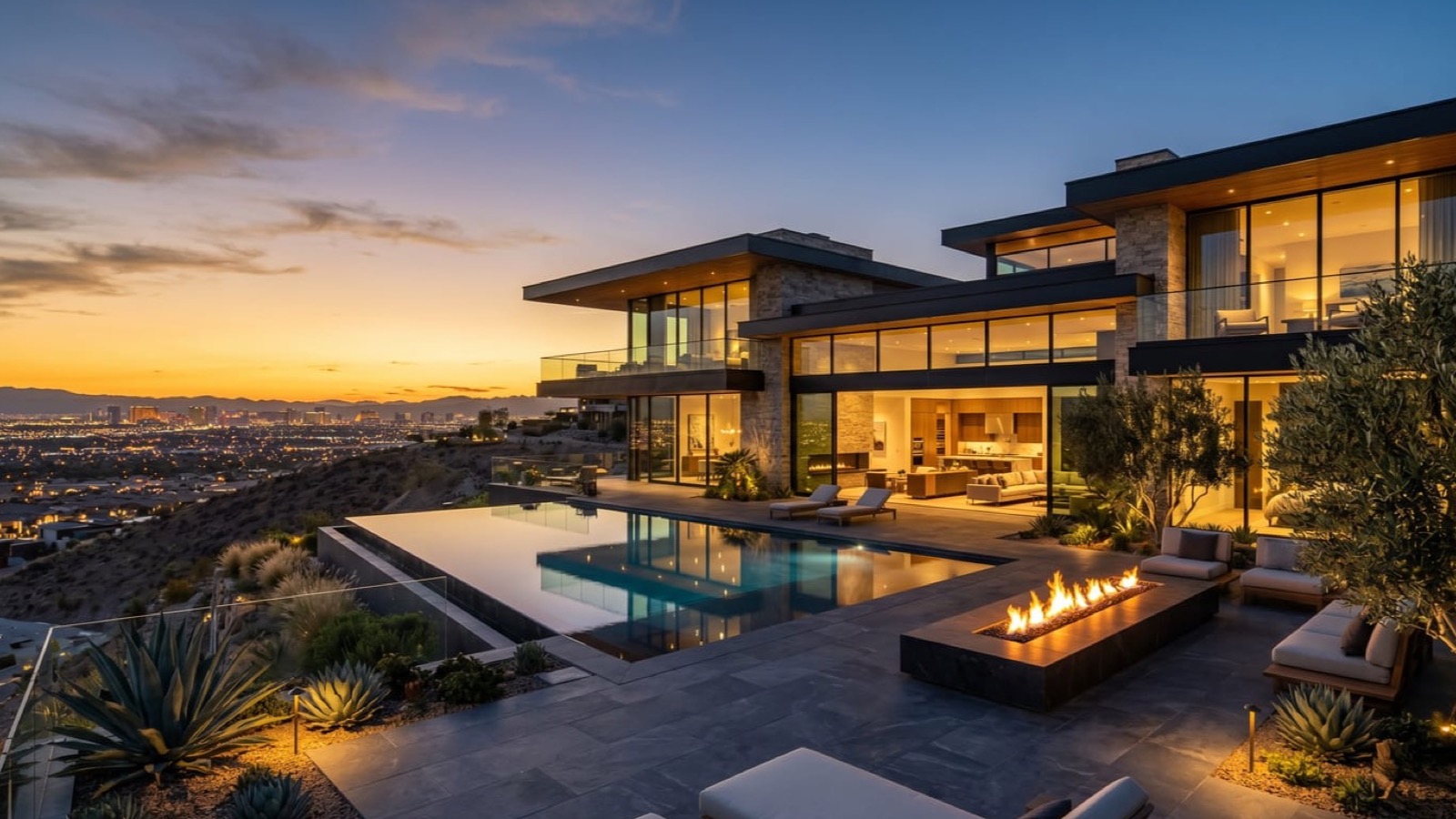
What Neighborhood Diligence Can't Be Skipped From a Distance?
The house is the easy half — the neighborhood is where remote buyers get surprised, and Las Vegas has specific traps:
- Flight paths. Nellis AFB's training corridors and McCarran/Reid arrivals put real, recurring noise over specific neighborhoods — parts of the northeast valley and Sunrise Manor hear afterburners weekly. Ask your agent to run the open-mic minute at different hours, and check the published flight-track maps.
- Arterial and freeway adjacency. The valley's grid means a "quiet cul-de-sac" can back a six-lane arterial behind one block wall. Satellite view plus the drive-by segment answers it in ninety seconds.
- The HOA layer. Most of the valley lives under associations — read the CC&Rs, the rental rules if you're an investor, and the fine schedule before offering. Your agent pulls the resale package; you read it the same night.
- School verification. Zone boundaries don't follow marketing copy — verify the actual assigned schools through the district's locator, not the listing's claims.
- Sun orientation. A west-facing backyard in Las Vegas is a 5 p.m. broiler eight months a year — it changes how you'll live and adds real money to cooling: think $80-150 a month of summer differential on identical floor plans facing opposite directions. Free to check on any map, forgotten by half of remote buyers.
- Crime and services granularity. Metro's crime mapping runs block-level; valley reputations run neighborhood-level; the difference matters and the data is public.
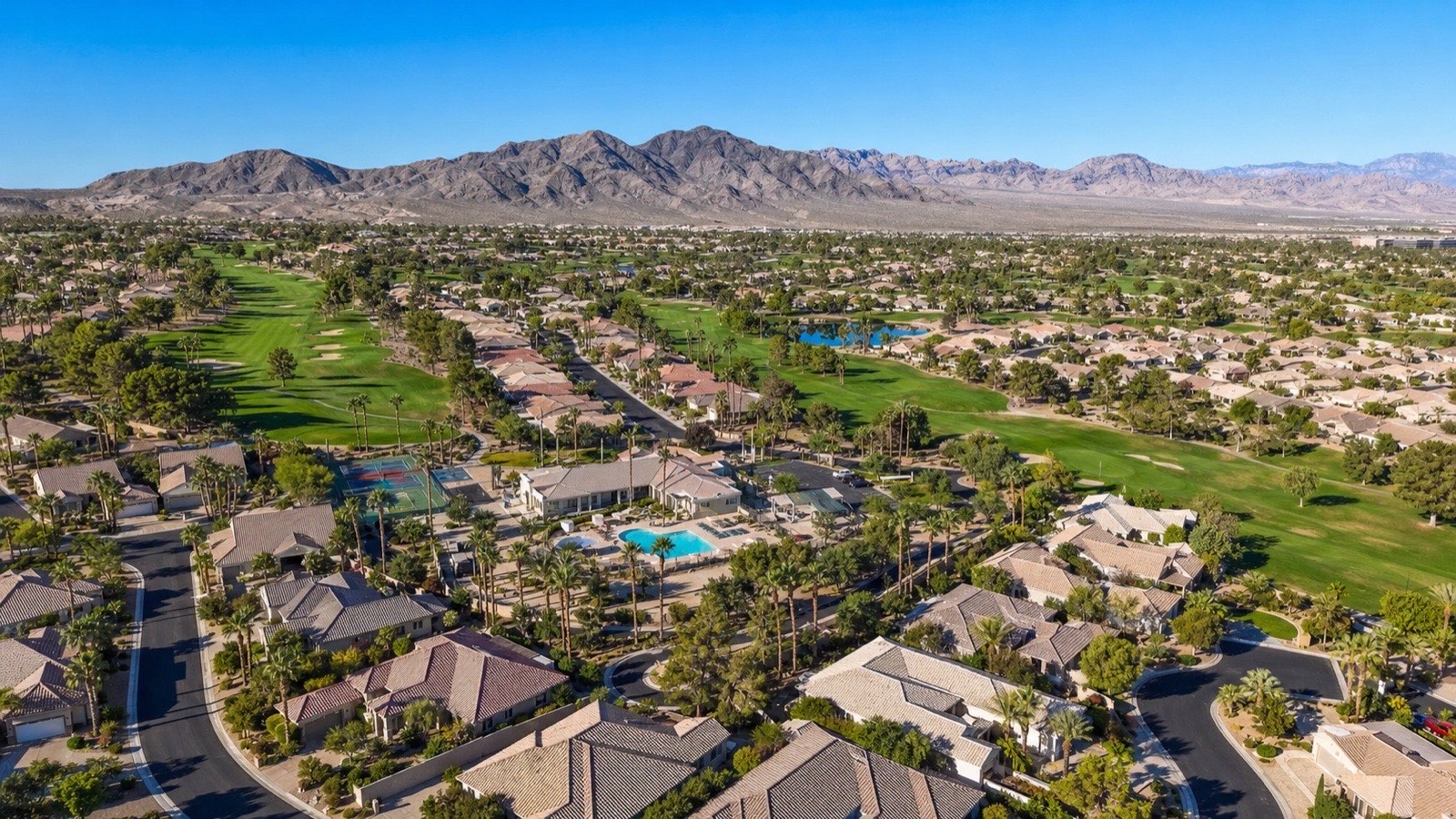
None of this requires your body in Nevada. All of it requires somebody's — which is the honest answer to "do I really need a local agent for a remote purchase": the toolkit above is only as good as the person operating the camera end of it.
How Do Inspections Work When You're Not There?
According to the Nevada Real Estate Division's inspector licensing rules, home inspectors here are licensed and bonded — and the inspection is where a remote purchase gets its integrity, because the inspector is the one professional in the deal whose entire job is telling you what's wrong. The remote protocol: hire a licensed inspector (independent — chosen by you and your agent, never the listing side), attend virtually for the last 30 minutes when the inspector walks the findings on camera, and read the full report — the 40-page version with photos, not the summary page. Add the Vegas-specific extras where the property calls for them: pool and equipment inspection ($150-250), a sewer-line scope on pre-2000 homes ($250-350, and worth every dollar on older central-valley stock), and a roof-specific look on tile roofs past year 20. Total spend for the full stack runs $700-1,100 on a typical single-family — the best money in the entire remote playbook. Price the alternative honestly: the missed $8,000 roof, the $4,500 sewer-line surprise, the $7,500 July compressor — any single one dwarfs a decade of inspection fees, and the remote buyer has no walk-through instinct to catch what the report misses.
Then negotiate normally: repairs, credits, or price — the net-sheet logic works identically from 400 miles away. What you must not do remotely is waive the inspection to compete; distance makes that gamble strictly worse, and a seller who won't accept an inspection contingency from a remote buyer is telling you something.

How Do You Close From Another State — or Country?
Nevada makes this easy, and most remote buyers never board a plane. According to Nevada's electronic notarization law (NRS 240), remote online notarization (RON) is fully authorized: you appear before a Nevada-commissioned online notary by webcam, verify identity through credential analysis and knowledge-based checks, and sign electronically — a 45-minute appointment from your kitchen. Where a lender's documents require wet signatures instead, the fallbacks are routine: a mobile notary comes to you anywhere in the country with overnight-shipped documents, or the escrow office arranges a mail-away closing through a notary near you. Military buyers overseas add one more lane: powers of attorney and base legal offices, a path VA lenders know cold.
The paperwork sequencing that keeps a remote closing smooth: your lender knows you're remote from day one (document delivery and signing methods get planned, not improvised), your ID is current and matches your documents exactly, and the final walkthrough happens by live video the day before funding — same checklist as the first tour, plus verification that negotiated repairs actually happened and the departing seller's truck didn't take the appliances. It's also when your agent confirms the house is empty — remote buyers have funded onto surprise occupants before, and the video walkthrough is the cheap prevention. Across the remote closings we've represented, the day-before video walkthrough has caught un-done repairs, taken appliances, and one memorable abandoned koi pond — every catch settled before funding, when leverage still existed, instead of after keys.
How Do You Not Get Robbed? Wire Fraud and the Remote Buyer
The ugliest risk in a remote purchase isn't the house — it's the money in motion. Business-email-compromise scams target real estate escrows specifically, and remote buyers are the softest targets because everything in their transaction already happens by email. According to the FBI's Internet Crime Complaint Center, real-estate wire fraud losses run into the hundreds of millions annually, and the pattern is always the same: days before closing, "escrow" emails updated wiring instructions — right account name, right deal details, wrong account.
The defense is a two-rule discipline that costs nothing. Rule one: wiring instructions never change. Treat any "updated instructions" email as fraud until proven otherwise. Rule two: verify by voice at an independently found number — call the escrow officer at the number on the title company's website (not the number in the email signature) and read the account digits back before your bank sends anything. Our fraud-protection guide covers the full threat map, but those two rules alone defeat the scheme that actually takes buyers' money. Remote buyers should also insist on the title company's secure portal for documents rather than email attachments — most Nevada escrow offices offer one; use it.
What Does a Complete Sight-Unseen Purchase Cost and Look Like?
| Dimension | Sight-unseen buyer | In-person buyer |
|---|---|---|
| House-hunting cost | $0 travel; agent-run video tours | 2-3 scouting trips: $1,500-4,000 |
| Diligence spend | $700-1,100 full inspection stack (non-negotiable) | Same stack, sometimes trimmed (shouldn't be) |
| Closing logistics | RON or mobile notary: $0-350 | Escrow office signing |
| Contingencies | Keep all — inspection, appraisal, financing | Same, more waiver temptation in competition |
| Timeline | Standard 30-40 days — distance adds nothing | Standard 30-40 days |
| Biggest risk | Feel gaps: noise, scale, smell | Emotional overpaying at the open house |
| Best mitigations | Live-tour protocol + open-mic minutes + virtual inspection attendance | A comp-disciplined agent |
Worth saying out loud: the remote buyer's all-in transaction costs are essentially identical to anyone else's — the protocol adds a few hundred dollars of notary and inspection extras against thousands saved in scouting trips. Distance is not a cost problem; it's an information problem, and the information has gotten cheap.
What Should the Full Remote Relocation Budget Include?
The purchase is one line of a bigger ledger, and remote buyers who budget the whole move avoid the arrival-month cash crunch:
| Line item | Typical cost | Notes |
|---|---|---|
| Down payment (5-20%) | $24,500-98,000 | The anchor number |
| Closing costs + prepaids | $10,000-14,000 | Negotiate seller credits of $5,000-10,000 in balanced submarkets |
| Inspection stack | $700-1,100 | General + pool + sewer scope — never trimmed remotely |
| Remote notary / RON | $0-350 | Often included in escrow fees |
| Cross-country movers | $4,500-12,000 | California-to-Vegas full-service; $2,000-3,500 for container options |
| Temporary housing bridge | $0-4,500 | If closing and job-start dates miss; leasebacks can zero it |
| Utility deposits + setup | $300-600 | Power, water, internet — schedule a week ahead |
| Immediate house needs | $1,500-4,000 | Locks rekeyed ($200), garage remotes, blinds the seller took, first HVAC filter service |
| Scouting trips avoided | −$1,500 to −$4,000 | The remote playbook's savings line |
Two budget notes with teeth. First, keep $5,000 liquid past closing no matter what the spreadsheet says — the first month in any house surfaces $1,000 of things nobody's inspection mentions, and doing it 400 miles from your old hardware store doubles the friction. Second, sequence the sale side if you have one: selling your departure-city home first (or bridging with a leaseback there) turns the whole relocation into one clean cash flow instead of two overlapping mortgages — the same buy-and-sell choreography locals run, complicated only by distance. Arrival logistics themselves — utilities, DMV clocks, school registration — have their own checklist in our move-in playbook.
Is New Construction the Easier Sight-Unseen Play?
Often, yes — it's the training-wheels version of remote buying. A new construction purchase removes the two biggest remote risks in one move: condition uncertainty (a new build with a builder warranty and third-party inspections has no 1994 water heater to miss) and misrepresented feel (model homes are professionally videoed, and your floor plan is a known quantity repeated down the street). Remote relocators buying into master plans sight unseen get standardized products in documented communities — the exact opposite of the quirky resale where feel-risk lives.
The remote-specific cautions carry over from every builder purchase: bring your own representation (the sales office works for the builder — register your agent on first contact, which for a remote buyer means before any model-home visit you make on a scouting trip), video-walk your actual lot before drywall and at blue-tape, and never skip the independent inspection just because the house is new. Builder timelines also flex — a relocation clock and a construction calendar need slack negotiated between them, usually via the leaseback and temporary-housing math your agent runs weekly — a $2,500/month furnished bridge rental against a $3,000/month double-mortgage overlap is a decision with actual numbers, not vibes.
What Are the Biggest Sight-Unseen Mistakes?
- Buying from the listing photos. The wide-angle lens is a professional liar; the live tour with scale passes exists to catch it.
- Skipping the open-mic minute. Noise is the #1 arrival-day regret — flight paths, arterials, and the neighbor's kennel are all audible on a decent phone mic.
- Waiving contingencies to compete. Distance makes every waived protection strictly worse. If the market demands waivers, the backup-offer play beats naked risk.
- Trusting emailed wiring instructions. The two-rule voice-verification discipline, every transfer, no exceptions.
- Reading the inspection summary instead of the report. Page 31 is where the sewer scope lives.
- Forgetting the final video walkthrough. Funding onto un-done repairs or a not-yet-vacated house is a remote-buyer classic with a five-minute prevention.
- Under-weighting the agent decision. Every instrument in this playbook is operated by your local agent; choosing one by search-result order is the actual biggest risk in the transaction.
How Do You Start a Remote Purchase With NREG?
The remote playbook is a service we run, not a PDF we send: live checklist tours on your schedule (evenings and weekends included — relocation time zones are real), the full inspection-proxy protocol, RON-ready escrow coordination, and the neighborhood-truth layer — flight paths, HOAs, school zones — delivered before you fall in love with anything. Nevada Real Estate Group closes remote buyers every month across 150+ agents and 9,061+ verified five-star client reviews. Start by watching the market from wherever you are on our search, tell us your timeline through the relocation hub, or go straight to a human: (702) 637-1759, or book a video consult and we'll run your first live tour this week.
Frequently Asked Questions
Is it safe to buy a house sight unseen in Las Vegas?
Yes, with protocol: live buyer-directed video tours, an independent inspection you attend virtually, neighborhood diligence for noise and HOA rules, all contingencies kept, remote online notarization for closing, and voice-verified wiring instructions. The buyers who get burned skipped the protocol, not the plane ticket.
Can you close on a Nevada home without being there in person?
Routinely. Nevada law authorizes remote online notarization — a webcam appointment with identity verification — and lenders that require wet signatures accommodate mobile notaries or mail-away closings anywhere in the country. Military buyers overseas add powers of attorney through base legal. Most sight-unseen purchases close without the buyer entering Nevada.
What should I ask for in a video tour of a house?
Live video you direct, not pre-recorded media: a street drive-by with the mic open, data plates on HVAC and water heater, slow full-height pans from each doorway for honest scale, closets and garage walls, a full backyard perimeter with sun orientation, and sixty silent seconds in the backyard and primary bedroom listening for noise. Ask the agent to narrate smells — video can't carry smoke or pets.
How do out-of-state buyers avoid wire fraud?
Two rules: treat any emailed change to wiring instructions as fraud until proven otherwise, and verify account details by phone using a number you found independently on the title company's website — never one from the email itself. Use the escrow office's secure portal instead of email attachments, and confirm receipt after sending. This scheme takes more remote-buyer money than any housing defect.
Should remote buyers prefer new construction?
It's the lower-risk lane: builder warranties and standardized floor plans remove most condition and feel uncertainty, and model homes are professionally documented. Keep the guardrails — your own agent registered from first contact, video walks of your actual lot at pre-drywall and blue-tape, and an independent inspection even on a brand-new home.
What does buying sight unseen cost extra?
Almost nothing — that's the surprise. The full inspection stack runs $700-1,100 (which every buyer should pay anyway), remote notarization or a mobile notary adds $0-350, and video tours are part of the service. Against $1,500-4,000 in scouting-trip travel, the remote playbook usually costs less — the premium is discipline, not dollars.
What's the most common regret for sight-unseen buyers?
Noise — the thing marketing media never carries. Flight paths, arterial hum, and close neighbors top the arrival-day surprise list, which is why the open-mic minutes and multi-hour drive-by checks are the least skippable items in the protocol. Scale is second: rooms photograph larger than they live, which the doorway pans with a person in frame are designed to catch.
Which Sources Inform This Remote Buying Guide?
Buyer-behavior data comes from the National Association of REALTORS' research and migration patterns from the U.S. Census Bureau. Nevada's electronic and remote notarization framework is in NRS 240 via the Nevada Secretary of State's notary division. Wire-fraud patterns and loss data are from the FBI's Internet Crime Complaint Center and consumer protections from the Consumer Financial Protection Bureau. Flight-operations context is from Nellis Air Force Base public information and Harry Reid International Airport noise resources; school verification through the Clark County School District. Market context is from Las Vegas REALTORS and NREG's locked monthly Las Vegas data desk. Protocol details reflect NREG's remote-buyer practice across 9,600+ statewide closings; verify notarization and document requirements with your specific lender and escrow officer.