

The classic Las Vegas second-home buyer used to be a retiree escaping Midwest winters. The 2026 version is just as likely a Bay Area couple who noticed that a four-hour drive — or a $79 Friday flight — buys them a resort-backyard house that costs less than their California property-tax bill would suggest, in a state that will never tax their income, in communities purpose-built to be left empty for weeks at a time.
The second-home purchase is genuinely different from a primary purchase — different loan classification, different tax rules, different insurance, and a use-pattern decision (pure personal, occasional rental, or future retirement home) that shapes everything downstream. Across the 9,600+ closings Nevada Real Estate Group has represented, second-home files reward buyers who make that use decision first and let the paperwork follow. Here's the whole 2026 playbook, from Summerlin to Lake Las Vegas.
A Las Vegas second home in 2026 takes 10% down at near-primary rates — if you'll genuinely occupy it part-time and don't need rental income to qualify. Renting over 14 days a year changes the tax classification; nightly rentals need STR licensing most HOAs prohibit. Budget the true carry: HOA, the 8% tax-cap class, and secondary insurance. Lock-and-leave inventory — guard-gated, high-rise, 55+ — is this market's specialty.
- Second-home loans need just 10% down at near-primary rates; investment classification jumps to 15-25% down.
- The IRS 14-day rule splits personal use from rental status — decide your use pattern before you write an offer.
- Nevada charges no state income tax and second homes ride the 8% (not 3%) property-tax cap class.
- Guard-gated and high-rise stock is built for absentee owners — the HOA is your property manager.
- Nightly renting requires a Clark County STR license and most HOAs ban it — verify before you buy the dream.
Why Is Las Vegas Built for Second-Home Ownership?
Start with the structural advantages, because they're real and specific. Proximity: the largest second-home feeder market in America — coastal California — sits four freeway hours away, close enough for impulse weekends, and Harry Reid International runs constant cheap lift from every western metro. Tax posture: Nevada has no state income tax, which matters twice — nothing on your income while you're here, and nothing state-side on the eventual gain — and it's half the reason the California-to-Nevada tax math has its own cottage industry. Price: According to Las Vegas REALTORS, June 2026's record single-family median of $490,000 still undercuts almost every coastal feeder market by half or more — the Vegas second home frequently costs less than the buyer's primary-home equity line.
And the underrated one: the housing stock itself is absentee-ready. Guard-gated communities with staffed entries, HOAs that maintain everything outside your walls, high-rise condos with valet and security, 55+ resort communities engineered for seasonal residents — the lock-and-leave inventory here isn't a niche, it's a major product line. A Summerlin high-rise or an Anthem Country Club house tolerates six empty weeks the way a craftsman with a lawn simply doesn't.
How Does Second-Home Financing Actually Work?
According to Fannie Mae's occupancy rules, lenders sort every non-primary purchase into one of two boxes, and the box determines your terms:
| Dimension | Second home | Investment property |
|---|---|---|
| Minimum down payment | 10% | 15-25% |
| Rate premium vs primary | Roughly 0.25-0.5% | Roughly 0.5-1.0%+ |
| Occupancy requirement | You occupy part of the year; exclusive control (no management contract required) | None — rent freely |
| Rental income for qualifying | Not counted — you qualify on your income alone | Counted (75% of projected rents typically) |
| Distance conventions | Typically a reasonable distance from your primary | Anywhere |
| The classification trap | Claiming second-home terms while operating a rental is occupancy fraud | — |
The row that matters most is the last one. Second-home pricing is a promise about use — sign the second-home rider, then run the place as a full-time rental, and you've committed occupancy misrepresentation with your signature on it. The honest sort: if you need rental income to make the numbers work, buy it as an investment property and price accordingly (our landlord guide runs that whole business); if you're buying use and lifestyle with incidental rental at most, the second-home classification is yours legitimately at 10% down. On a $650,000 lock-and-leave purchase that's $65,000 down and a payment near $4,150 with taxes and insurance at mid-2026 rates — versus $97,500+ down on the investment box.
Qualification note that surprises high-equity buyers: you carry both housing payments in your debt ratio — the primary and the second — plus reserves (typically 2-6 months of both payments). Asset-rich, income-light buyers (early retirees especially) should ask about asset-depletion programs before assuming they don't qualify.
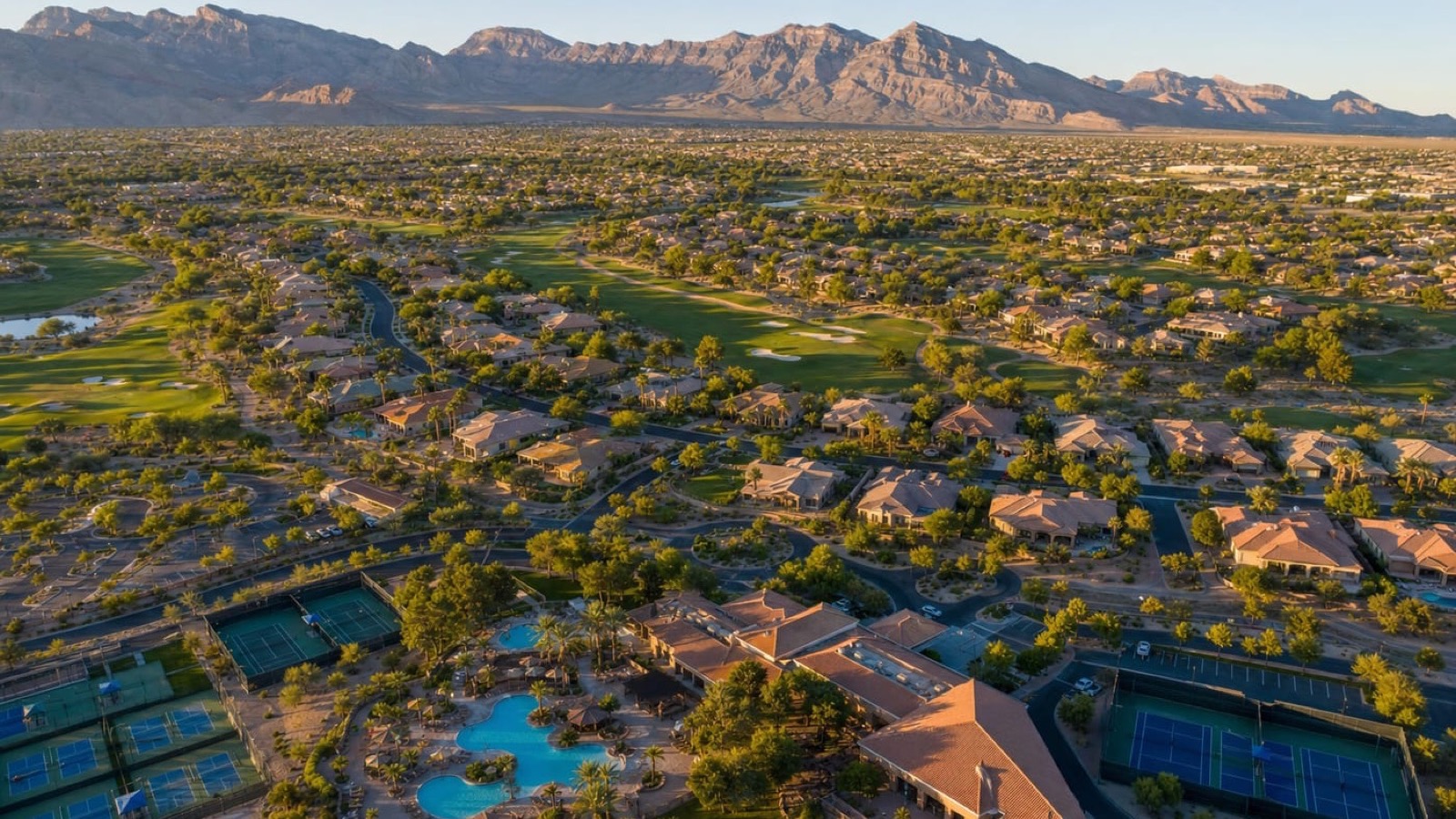
What Does the 14-Day Rule Mean for Your Taxes?
The IRS sorts your second home by how you actually use it, and the boundary is worth memorizing. According to IRS Publication 527, if you rent the home 14 days or fewer per year, it's a pure personal residence: the rental income is tax-free (genuinely — you don't even report it), and your mortgage interest and property taxes follow the personal rules. Rent it more than 14 days and it becomes a rental property with allocation math: income reported, expenses split between personal and rental use by day count, and your personal use above 14 days (or 10% of rental days) limits loss deductions.
That 14-day allowance is quietly one of the best tax features in second-home ownership — especially here. Las Vegas hosts a handful of colossal demand weeks (fight weekends, CES, the F1 window, major conventions) when short-term rates spike; an owner who rents only those days can collect five figures tax-free and never cross the line. The catches: According to Clark County's short-term rental program, the county and cities license short-term rentals separately, with distance rules, caps, and real fines — the whole framework lives in our STR rules guide — and most HOAs prohibit nightly rentals outright, including nearly all the guard-gated communities second-home buyers love. Verify the CC&Rs and the licensing reality before the tax strategy, not after.
On the deduction side: mortgage interest on a second home shares the same combined $750,000 acquisition-debt ceiling as your primary, and property taxes fall under the federal SALT cap — recent federal changes raised that ceiling substantially for many filers, which improved second-home math; have your CPA run your bracket. And when you eventually sell, remember the Section 121 exclusion does not cover second homes — appreciation is capital gain, which is where Nevada's zero state income tax and the 1031 exchange (for properties with rental character) re-enter the conversation.
What Does a Las Vegas Second Home Really Cost to Carry?
The purchase is the easy math; the carry is where honest budgeting happens:
| Line item | Annual cost | Notes |
|---|---|---|
| Property taxes | $4,200-5,200 | Effective rates run well under 1% — but see the 8% cap note |
| HOA (guard-gated tier) | $2,400-7,200 | $200-600/mo — the gate, the grounds, sometimes the roof |
| Insurance (secondary occupancy) | $1,800-2,600 | Vacancy clauses matter — see below |
| Utilities baseline (empty months) | $2,400-4,800 | $200-400/mo — you cool an empty house in July or regret it |
| Pool service (if applicable) | $1,680 | $140/mo — non-negotiable for absentee owners |
| Home watch / smart monitoring | $300-1,800 | Monthly checks or a sensor stack — leaks don't wait for your next visit |
| Maintenance & reserves | $4,000-6,500 | 1% rule applies whether you're there or not |
| Realistic all-in (before mortgage) | $17,000-28,000 | $1,400-2,300/month |
Three Vegas-specific carry notes. The tax-cap class: According to the Clark County Assessor, Nevada's 3% annual property-tax increase cap belongs to owner-occupied primaries; second homes ride the up-to-8% cap class — file the assessor's form honestly and budget the faster drift. Summer is not optional: an unairconditioned Vegas house in July cooks its own drywall, cabinets, and electronics; absentee owners run the thermostat at 85-88°F year-round, and the smart-thermostat-plus-leak-sensor stack ($400-800 installed) is the cheapest insurance in the desert. Insurance underwriting cares about vacancy: standard policies can restrict or void coverage on homes vacant beyond 30-60 days — disclose the second-home use pattern, buy the secondary-occupancy endorsement, and pair it with the water-shutoff habit that prevents the classic five-figure claim: the supply-line leak that ran for three weeks.
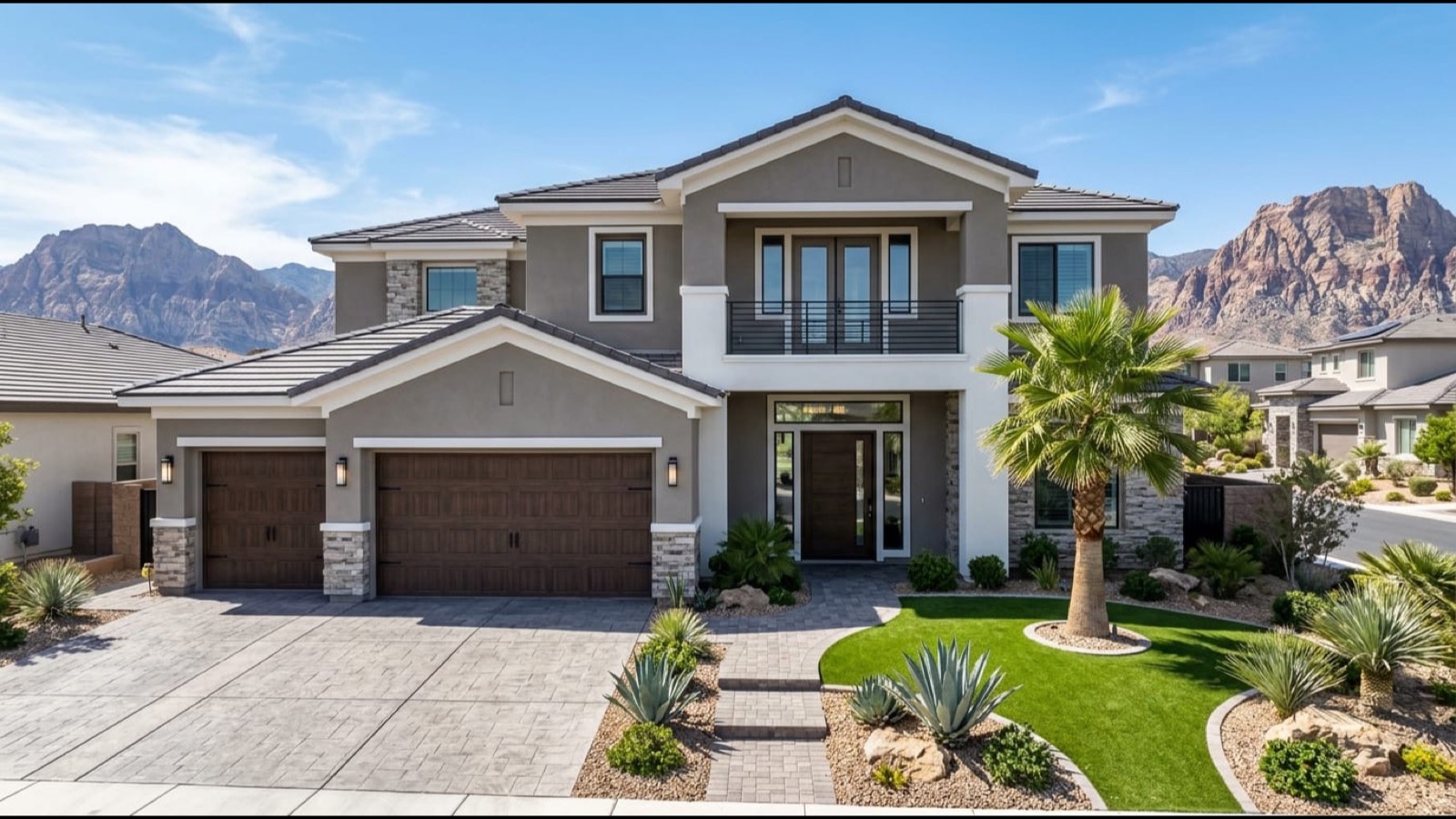
Where Should You Buy? The Lock-and-Leave Map
Match the community type to your use pattern:
- Guard-gated golf and country-club communities — Anthem Country Club, Red Rock Country Club, Canyon Gate, Spanish Trail — the classic second-home lane: staffed gates, HOA-maintained streetscapes, and neighbors who also arrive Thursday and leave Monday. Entry points from the $700s, trophy tiers past $2,000,000 in the luxury communities.
- High-rise condos — the Strip-adjacent towers and Queensridge/Summerlin verticals: valet, security desk, zero exterior responsibility, true turn-the-key-and-fly ownership from the $400s. The purest lock-and-leave product in the market — with condo-financing wrinkles (warrantability) worth a lender conversation early.
- Lake Las Vegas — the resort-village pattern: waterfront, golf, a Main Street, and a heavy second-home ownership mix that makes empty weeks unremarkable. Mid-$400s condos to $3,000,000+ custom lakefront.
- 55+ resort communities — Sun City Summerlin and its siblings: built for seasonal occupancy since inception, with the amenity calendar that makes the eventual full-time transition seamless. This is the classic snowbird-to-retiree glide path from the $300s.
- Summerlin and Henderson single-family in HOA villages — for buyers whose second home doubles as the family holiday base: more house per dollar, more maintenance surface, best paired with a home-watch service.
The Northern Nevada alternative deserves its sentence: buyers choosing between a Vegas lock-and-leave and a Tahoe-side mountain home are running a different equation — alpine seasonality, Washoe/Douglas pricing, and its own carry profile — which is exactly the comparison our Incline Village second-home guide runs from the northern side.
How Does the Vegas Second Home Compare to Keeping the Money in California?
The feeder-market math deserves its own table, because it's the actual decision most of our second-home buyers are making — not "Vegas versus Tahoe" but "Vegas versus nothing":
| Dimension | Las Vegas lock-and-leave | Comparable coastal second home |
|---|---|---|
| Entry price (quality 3BR + pool/amenities) | $550,000-750,000 | $1,400,000-2,500,000+ |
| Down payment at 10% | $55,000-75,000 | $140,000-250,000 (often 20-30% at jumbo tiers) |
| Annual property tax | $3,800-5,500 | $15,000-28,000+ |
| Annual carry (pre-mortgage) | $17,000-28,000 | $35,000-60,000+ |
| State income tax exposure | None in Nevada | Up to 13.3% marginal on everything |
| Drive from LA/OC | About 4 hours | 1-3 hours |
| Usable season | Year-round (summers indoors/pool) | Varies — coastal fog, mountain snow closures |
In our experience the pattern California buyers keep repeating is this: the Vegas second home costs roughly what the carry alone runs on the coastal alternative — and it comes with a residency option. That last phrase matters: a meaningful share of second-home purchases here are stalking horses for an eventual domicile change, where the California-to-Nevada tax savings stop being a vacation perk and become a six-figure retirement strategy. Buy the second home with clean records of your use pattern from day one; if the domicile play ever matures, the paper trail is half the battle.
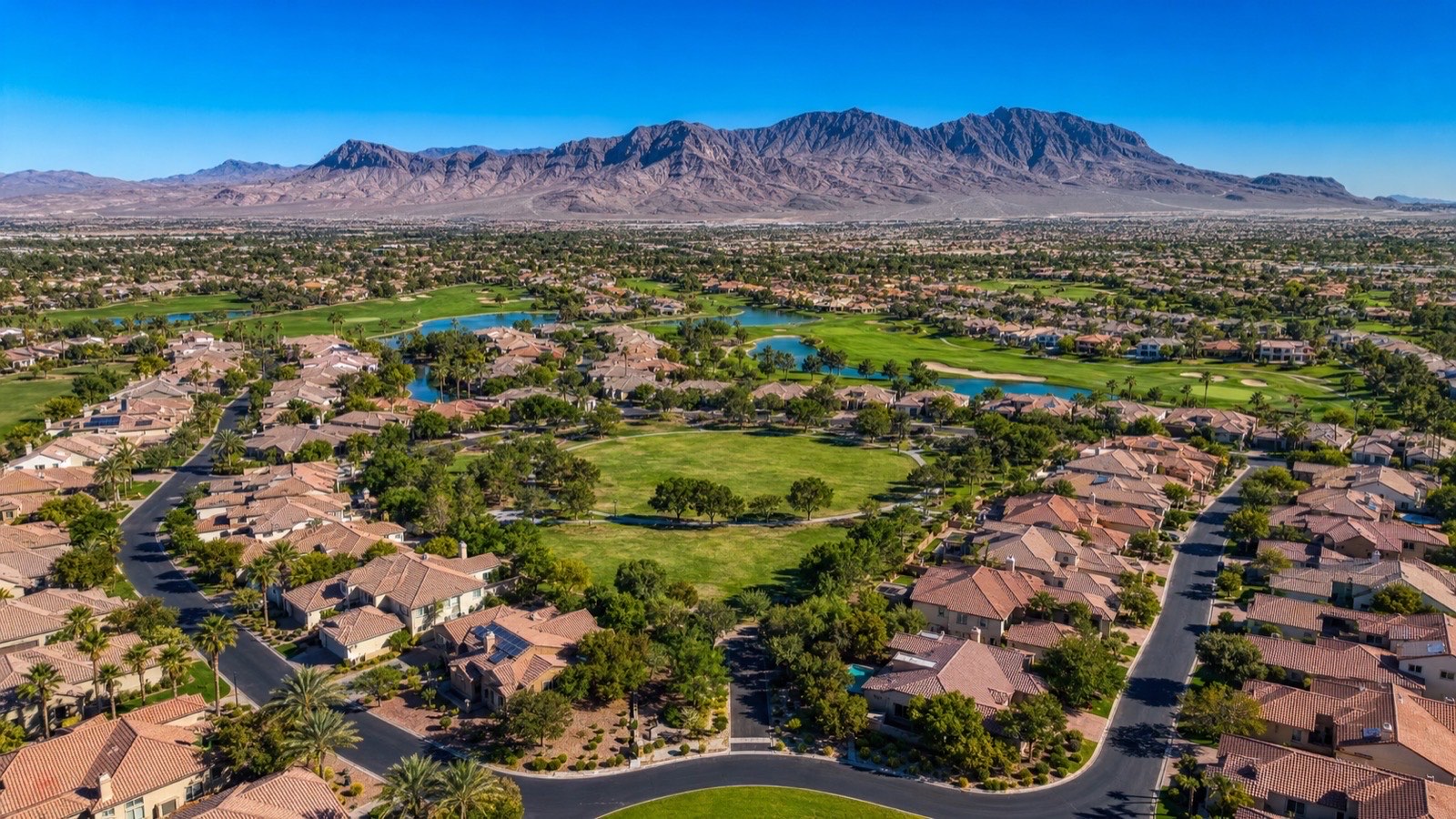
Should Your Second Home Earn Rental Income?
The three postures, honestly compared. Pure personal (0-14 rental days): simplest taxes, cleanest insurance, full HOA compatibility, zero licensing — plus the tax-free big-event window if you ever choose to use it. Most guard-gated and high-rise buyers land here by rule and by preference. Hybrid (15+ days, 30-day-minimum leases): monthly furnished rentals to traveling professionals sidestep most STR ordinances and many HOA bans (30-31 day minimums are the common threshold — read your CC&Rs); the home becomes a tax rental with allocation math, and the income is real but the wear and scheduling overhead are too. Full STR operation: a different business entirely — license-gated, HOA-restricted, professionally competitive — and if that's the actual plan, buy for it deliberately (right zoning, right community, investment financing) rather than backing into it with a second-home loan you shouldn't have signed.
In our experience the hybrid fantasy is where second-home buyers most often fool themselves: the projected "20 rented weeks" collides with the reality that they want the house exactly when renters do — the same holidays, the same event weekends, the same perfect-weather windows. Price the purchase to work at zero rental income; anything the calendar actually yields is bonus, not budget.

How Do You Manage a House From 400 Miles Away?
The absentee-operations stack, from cheapest to fullest. The sensor layer ($400-800 once): smart thermostat, water-leak sensors at the heater and under sinks, smart water main shutoff, entry sensors, and two cameras — every major absentee disaster (the leak, the HVAC death, the open door) becomes a phone notification instead of a homecoming surprise. The human layer ($40-150/month): a licensed home-watch service walking the house weekly or biweekly — flushing toilets, running faucets, checking for pests and roof stains — plus your pool and landscape crews on fixed schedules. The full-service layer: for rented hybrids, a property manager (the 8-10% economics from the landlord playbook); for high-rises, the building is the layer, which is half of what the HOA fee buys.
In our experience the sensor layer pays for itself in the first prevented incident — across the absentee owners we work with, the water-shutoff valve is the single purchase that has averted the most five-figure claims, followed closely by the thermostat alert that caught a dead compressor before a 115-degree weekend turned into warped cabinetry. Practical absentee habits that cost nothing: water main off (or auto-shutoff armed) when you leave, thermostat at 85-88°F summer / 55-60°F winter, HOA portal notifications on (violation letters have deadlines whether you're home or not), a local locksmith and handyman already in your contacts, and your agent's number for the neighbor-level questions no app answers. Snowbirds add the seasonal bookends: pre-arrival deep clean and HVAC service in fall, pre-departure walk-through with the watch service in spring.
What Are the Biggest Second-Home Mistakes in Las Vegas?
- Buying the STR dream in a community that bans it. The CC&R read comes before the offer, always — "we'll rent it on fight weekends" dies in most guard gates.
- Signing second-home financing for an investment plan. The 10% down box is a use promise; occupancy misrepresentation has your signature on it.
- Skipping the vacancy conversation with the insurer. A denied water claim on a 45-days-empty house is the expensive version of this lesson.
- Cooling nothing to save $200 a month. July heat destroys interiors; the utility baseline is a carrying cost, not a choice.
- Underestimating the HOA's reach. The same association that maintains your absentee curb appeal also fines your unmowed... nothing, actually — but it will fine the trash can visible from the street on a Tuesday you're in San Jose. Portal notifications on.
- Ignoring the eventual-primary angle. Many second homes become retirement homes; buying with that possibility in mind (single-story, the right community, the 55+ glide path) costs nothing now and saves a transaction later.
- Budgeting from the mortgage alone. The $1,400-2,300 monthly carry before the loan is the honest number; buyers who skip it sell in year two.
How Do You Start the Second-Home Search?
One sequencing tip from hundreds of these files: make the lender conversation the first call, not the last. Second-home debt ratios carrying two housing payments surprise strong-income buyers, condo warrantability rules disqualify specific towers without warning, and the second-home-versus-investment classification changes your entire offer posture. Twenty minutes with a lender who writes second-home loans weekly turns the whole search from browsing into shopping.
Three decisions before any tour, and everything else follows: your use pattern (pure personal, hybrid, or future primary), your carry budget at zero rental income, and your community type from the map above. We run second-home searches for out-of-state buyers constantly — including fully remote purchases with video tours and remote closings — across 150+ agents and 9,061+ verified five-star client reviews. Browse the lock-and-leave inventory on our search, or start with the human version: (702) 637-1759, or tell us your use pattern and we'll send the five communities that actually fit it.
Frequently Asked Questions
How much down payment do you need for a second home in Las Vegas?
10% minimum on conventional second-home financing, at rates roughly a quarter to half a point above primary-residence pricing — provided you'll genuinely occupy it part of the year and don't need rental income to qualify. Investment-property classification starts at 15-25% down with bigger rate premiums. You'll also carry both housing payments in your debt ratio, plus reserves.
Can I rent out my Las Vegas second home when I'm not using it?
Within limits. Fourteen or fewer rental days a year keeps it a pure personal residence — and that income is tax-free. More than 14 days triggers rental tax treatment with allocation math. Nightly rentals additionally require a short-term rental license from the county or city, and most HOAs — including nearly all guard-gated communities — prohibit them outright. Thirty-day-minimum furnished rentals are the common compliant middle path.
What are the property taxes on a second home in Nevada?
The same low effective rates (well under 1% in Clark County) with one asterisk: second homes don't get the 3% owner-occupied cap on annual increases — they ride the up-to-8% cap class, so the bill drifts faster over a decade. There's no state income tax on either your income or eventual gains, which is a large part of why California buyers keep arriving.
Is a Las Vegas second home a good investment?
Buy it as a lifestyle asset that happens to sit in a growth market, not as a yield play. Vegas appreciation has compounded well over the long arc, and the no-income-tax, low-carry structure treats owners kindly — but a second home priced to need rental income is an investment property wearing the wrong loan. Price it to work empty; let any rental yield be bonus.
What does it cost to maintain a vacation home in Las Vegas?
Plan $1,400-2,300 a month before the mortgage on a typical $650,000 lock-and-leave: taxes, HOA, secondary-occupancy insurance, baseline utilities (you cool an empty house here), pool service, home-watch or monitoring, and reserves. High-rise condos trade several of those lines for a single larger HOA fee — often a wash in dollars, a win in simplicity.
Should I buy my second home in Las Vegas or Lake Tahoe?
Different products: Vegas offers year-round usability, lock-and-leave stock, cheap flights and a four-hour drive from Southern California, and dramatically more house per dollar; Tahoe/Incline offers alpine summers, ski winters, and Nevada's same tax posture at a much higher entry price with heavier seasonal carry. Buyers who want frequent spontaneous use tend Vegas; destination-week buyers tend Tahoe. We work both markets and run the comparison honestly.
Can my second home become my retirement home later?
It's one of the best versions of the play — buy the second home in your 50s where you intend to retire, let use expand gradually, then convert to primary residence (updating the tax-cap class, homestead filing, and insurance when you do). Buying with that endgame in mind — single-story, low-maintenance community, the right amenity base — costs nothing today and saves an entire transaction later.
Which Sources Inform This Second-Home Guide?
Financing classifications come from Fannie Mae's occupancy and second-home requirements and rate context from Freddie Mac's Primary Mortgage Market Survey. Tax treatment is from IRS Publication 527 (the 14-day rule and allocation), IRS Topic 701 (why Section 121 excludes second homes), and IRS Publication 936 (mortgage-interest limits). Nevada property-tax cap classes are from the Clark County Assessor and Nevada Department of Taxation; STR licensing frameworks from Clark County's short-term rental program. Market medians are from Las Vegas REALTORS and NREG's locked monthly Las Vegas data desk; migration context from the U.S. Census Bureau. Carry figures reflect typical 2026 Clark County costs — verify HOA, insurance, and licensing specifics for any community before offering, and run the tax strategy with a CPA.