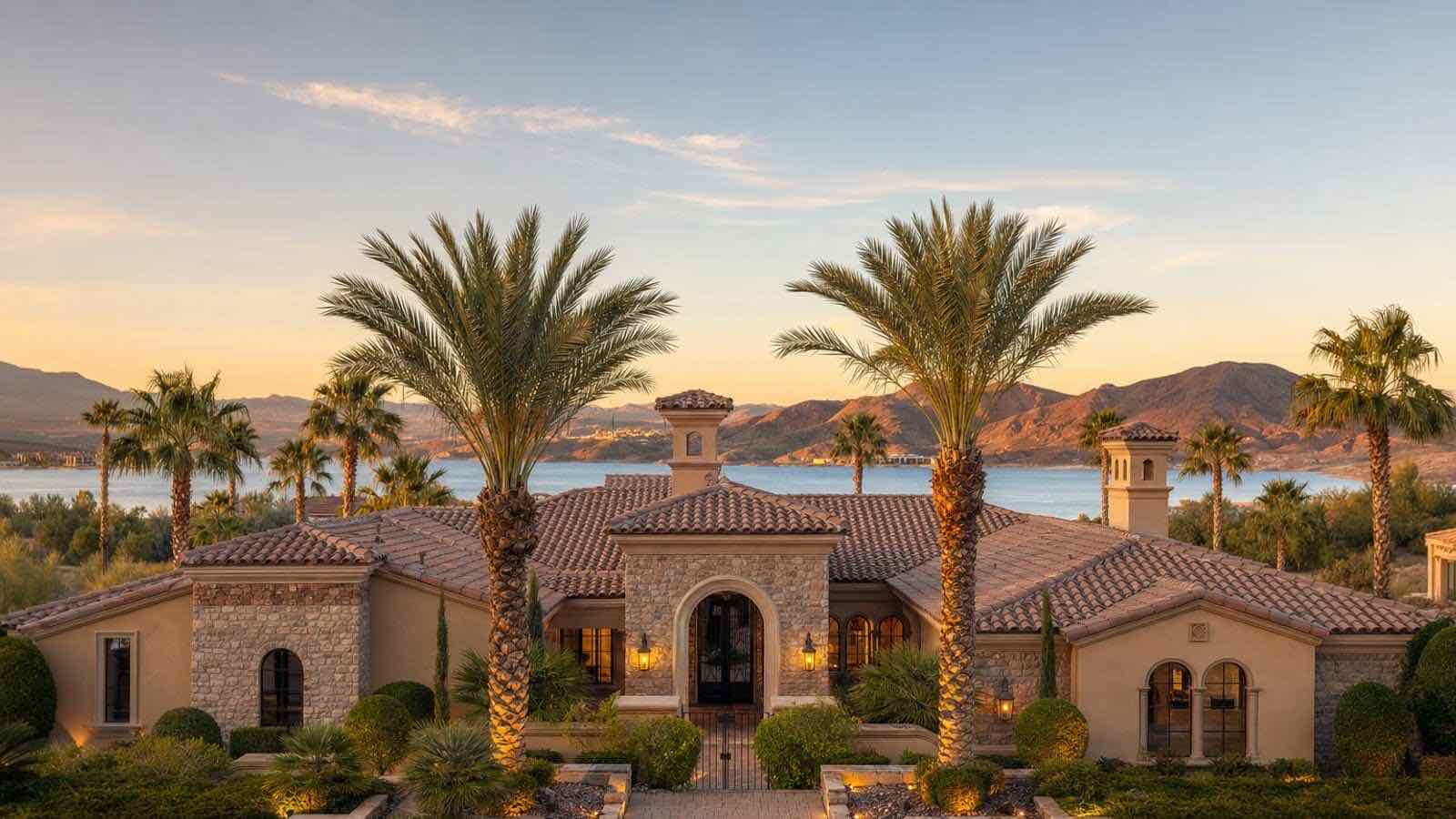
Las Vegas Arts District (18b) — galleries, lofts, and creative mixed-use buildings in Downtown Las Vegas
Downtown Las Vegas, Nevada

Las Vegas Arts District Homes For Sale

Nevada's #1 team for Arts District real estate. Search 18b's galleries, lofts, modern townhomes, and mid-century renovations — from $200K studio condos to $800K+ custom homes — with live MLS data updated daily.

Browse Homes
  • MEDIAN LIST PRICE (ZIP 89101)

    $393K

    LVR / GLVAR via Repliers, as of September 14, 2026

  • HOMES & UNITS IN DISTRICT

    1,500+

    Community records

  • DESIGNATED

    1998

    City of Las Vegas

  • DAYS ON MARKET

    36

    LVR / GLVAR via Repliers, as of September 14, 2026

Chris Nevada, Founder of Nevada Real Estate Group

Written by

Chris Nevada

Founder, Nevada Real Estate Group · Nevada License S.181401

16 years in the Las Vegas and Nevada real estate market

Page updated June 14, 2026

Property research

Verify for your address

Confirm current school assignments, association documents, parcel taxes, and insurance with the applicable sources.

Last updated

June 14, 2026

Individual data periods may differ from the page update date.

KEY TAKEAWAYS

What Should You Know About the Las Vegas Arts District at a Glance?

The Las Vegas Arts District — 18b — is an 18-block urban creative neighborhood in Downtown Las Vegas designated by the City of Las Vegas in 1998, with 1,500-plus homes and units spanning $200K–$800K. ZIP 89101 shows a $392,500 median list and 23-day pace per Las Vegas REALTORS. Takeaways below unpack this walkable downtown address.

  • The district: designated 1998 by the City of Las Vegas — 18 blocks bounded by Las Vegas Boulevard, I-15, Charleston Boulevard, and Sahara Avenue. 1,500-plus homes and units of mixed types.
  • The price ladder: $200K studio loft condos to $800K-plus custom modern construction — with the bulk of resales in the $300K–$500K band, one of the valley's most accessible urban entry points.
  • Walkability: one of the only genuinely walkable neighborhoods in Las Vegas — galleries, breweries, restaurants, and nightlife accessible on foot from any Arts District address.
  • Market pace: 23-day median from list to accepted offer across ZIP 89101 — a healthy urban market with steady demand from creatives, remote workers, and downtown professionals.
  • Location: 5 minutes to Fremont Street, 10 minutes to the Strip, 15 minutes to Harry Reid Airport via I-15 South.

Last updated September 2026 · Sources: LVR, U.S. Census, City of Las Vegas

Where Can I Find Las Vegas Arts District Homes for Sale?

ZIP 89101 carried 174 active listings in September 2026 according to Las Vegas REALTORS MLS data, spanning lofts, condos, townhomes, and renovated mid-century homes throughout the 18b Arts District and surrounding Downtown Las Vegas. The newest listings appear below, refreshed daily, and every active Arts District property is searchable in our live MLS portal.

PRICE DISTRIBUTION

How Many Arts District Homes Sell in Each Price Range?

Arts District pricing spans $200,000 for studio loft condos to $800,000-plus for custom modern construction, with the ZIP 89101 area showing a $392,500 median list price per Las Vegas REALTORS September 2026 MLS data. The bands below show the modeled split of the ZIP area's 174 active listings across the full price spectrum.

Under $250K

0

active listings

Browse Under $250K →

$250K–$350K

0

active listings

Browse $250K–$350K →

$350K–$500K

1

active listings

Browse $350K–$500K →

$500K–$650K

0

active listings

Browse $500K–$650K →

$650K–$800K

0

active listings

Browse $650K–$800K →

$800K+

0

active listings

Browse $800K+ →
Browse Arts District Listings

How Can You Find an Arts District Home by Type, Section & Price?

ZIP 89101's 174 active listings break down into loft condos, townhomes, mid-century homes, and mixed-use units across six distinct Arts District sub-neighborhoods — each link opens our live Las Vegas MLS search, with counts updated daily from Las Vegas REALTORS MLS data across ZIP 89101.

Updated daily · 172 active listings · MLS data

STAY AHEAD OF THE MARKET

How Can You Get New Arts District Listings First?

Custom alerts by sub-neighborhood, housing type, price, and beds — no spam, unsubscribe anytime. With only 174 active listings in ZIP 89101 and a 23-day median market pace, well-priced Arts District lofts and townhomes move before most buyers hear about them. Alert subscribers see new listings within hours of hitting the MLS.

  • Custom criteria — neighborhood, price, beds, baths, features
  • Instant alerts — emailed within minutes of a new MLS listing
  • 1,200+ Henderson buyers used NREG alerts last year

Create your alert

School planning

Check schools for your address

Before choosing a home, request address-specific school assignments for the intended school year from the district. Confirm grade levels, program eligibility, enrollment requirements and any boundary changes. Use the exact property address, including any unit number, and ask the district to confirm the assignment before making a purchase decision.

Check CCSD school zoning · View Nevada Report Card

Compare each school’s programs and published results for the same reporting year. Proximity to a school does not guarantee admission; contact charter, magnet and private schools about their application and enrollment requirements.

CRIME DATA

Review reported crime for the area

Where to start

Review reports from the law-enforcement agency serving the address. Check the reporting period, area covered, offense definitions and completeness before comparing locations. When requesting local information, provide the property address and ask which agency and geographic boundary each report represents, along with any known reporting gaps.

Understand what the reports cover

The FBI publishes crime and law-enforcement statistics through its Crime Data Explorer. Its guidance cautions against using crime totals alone to rank communities: reporting practices and local conditions affect comparisons.

A citywide statistic does not establish conditions at a particular home. Ask the local agency about current reports for the area and gaps in the available data. Missing records do not mean zero crime, and a gated entrance does not establish a safety rating.

FBI crime data resources · FBI guidance on comparing communities

Living In

What's It Like Living in the Las Vegas Arts District?


The Answer

The Arts District delivers urban walkability — galleries, craft breweries, chef-driven restaurants, and live-work lofts across 18 blocks of Downtown Las Vegas. City of Las Vegas designated 18b in 1998. The neighborhood has matured into the most culturally distinct address in the metro, and Nevada's zero income tax keeps lifestyle costs below comparable West Coast creative districts.

What is the Arts District known for?

The Arts District is known as Las Vegas's only genuinely walkable creative neighborhood — 18 blocks of galleries, converted lofts, craft breweries, and chef-driven restaurants anchored by First Friday, the monthly arts walk that draws thousands across the entire valley.

Who should live in the Arts District?

It fits artists and creative professionals wanting a live-work loft, remote workers who value walkable coffee-shop environments, urban lifestyle buyers relocating from Portland or Austin, downtown-employment professionals, and investors seeking a differentiated urban product with appreciation upside.

What is daily life like?

Mornings start at a local roaster, afternoons run from the home studio or a gallery-adjacent desk, and evenings cycle through craft brewery tap rooms, chef-driven restaurants, and the Smith Center for the Performing Arts one neighborhood over — with First Friday closing the district to cars once a month.

Location

Where Is the Las Vegas Arts District

The Arts District anchors 18 blocks of Downtown Las Vegas just south of Fremont Street, between Las Vegas Boulevard and Interstate 15. Center coordinates roughly 36.155, -115.157. About 15 minutes from Harry Reid Airport.

Downtown / Fremont Street
5
Min
Las Vegas Strip
10
Min
UNLV
10
Min
Harry Reid Airport
15
Min
Summerlin
25
Min

Arts District / 18b

At a Glance
$392,500
Median List Price (ZIP 89101)
$360,000
Median Sold (past 100 days)
172
Active Listings (ZIP 89101)
36
Days on Market
Setting
Urban · Creative · Mixed-Use
District Size
~18 blocks
Homes & Units
1,500+
Designated
1998
Designating Authority
City of Las Vegas
Housing Types
Lofts, townhomes, mid-century, condos
Gate
None — open urban neighborhood
Cultural Anchor
First Friday arts walk (monthly)
Brewery Scene
Able Baker, Astronomy Alehouse, Nevada Brew Works
Sunshine
300 days/year
Schools
Las Vegas Academy 9/10 (GreatSchools)
Distance to Strip
~10 min

Quick Answer

Is the Las Vegas Arts District a good place to live?

Yes — for buyers who want walkable urban living over suburban square footage, the Arts District is the most compelling address in Las Vegas. Eighteen blocks of galleries, breweries, and restaurants on foot, 10 minutes to the Strip, and housing from $200,000 to $800,000 give the neighborhood a lifestyle range no master-planned community can match. Honest trade-offs: mixed elementary and middle school zones, urban parking variability, and density higher than suburban zip codes. Nevada's zero state income tax makes every dollar of Arts District lifestyle go further.

Source: City of Las Vegas

DEMOGRAPHICS

Who Lives in the Arts District?

According to the U.S. Census Bureau QuickFacts, Las Vegas city holds 656,274 residents with a median household income of $66,820. Community records place the Arts District at 4,000-plus residents across 1,500-plus units, average household income near $48,000, and a homeownership rate near 30% — consistent with the district's rental-heavy urban character.

The Census does not tabulate the Arts District separately, so the figures below reflect Las Vegas citywide — presented honestly as the statistical backdrop. Inside the district, our closing data shows a blend of creative professionals and artists drawn by live-work spaces, remote workers from higher-cost markets relocating for affordability and walkability, young professionals working in downtown employment or hospitality, and investors targeting the district's differentiated appreciation profile.

Population (Las Vegas city)
656,274
vs Clark Co 2,370,114
Median Income
$66,820
vs Clark Co $74,007
Median Age
~37
vs Clark Co 38
Home Value
~$391K
vs Clark Co $391K
Owner-Occupied
~51%
vs Clark Co 59%
Bachelors+
~27%
vs Clark Co 29%
Has Children
~26%
vs Clark Co 27%
HH Size
2.6
vs Clark Co 2.6

Source: U.S. Census Bureau QuickFacts, Las Vegas city (Arts District is not separately tabulated) · Updated

POPULATION & GROWTH

How Fast Is the Arts District Area Growing?

The Arts District itself operates on infill economics — new units come from conversions, redevelopment, and small mixed-use projects rather than raw land. Las Vegas city has grown by roughly 120,000 people since 2010 per U.S. Census counts, and the downtown core has benefited from ongoing investment in Symphony Park, the DTLV tech corridor, and the Smith Center arts campus that surrounds the district.

656,274Las Vegas city residents (Census)
1,500+Homes and units in the Arts District
~700,000Las Vegas city projected, 2030

Las Vegas city population trajectory, 2010–2030 (projected)

Inside the Arts District, growth means densification and conversion: abandoned industrial buildings become galleries and lofts; surface lots become mixed-use projects. Every new downtown resident adds demand for the walkable urban lifestyle the district uniquely provides — and infill supply is inherently constrained by the fixed 18-block geography. That dynamic underpins the district's appreciation track record.

2010
583,756
2020
641,903
2024
~656,274
2030 proj.
~700,000

Sources: U.S. Census Bureau QuickFacts and City of Las Vegas. Citywide figures shown because the Census does not tabulate the Arts District separately; projection reflects recent Las Vegas growth rates. Last updated June 2026.

MARKET TRENDS · LAST 12 MONTHS

How Is the Las Vegas Arts District Real Estate Market Trending?

Median sold price, days on market, and monthly closings for ZIP 89101 from Las Vegas REALTORS MLS data. Scope honesty first: ZIP 89101 is broader than the 18-block Arts District — monthly points are indicative values anchored to the probed 100-day medians. Read the level and the pace, not single-month wiggles.

Median Sold Price

$345K–$372K monthly band; $360,000 median over the last 100 days

vs September 2025

Source: Las Vegas REALTORS

Days on Market

21–32 day monthly range; 23 median over the last 100 days — healthy urban pace

vs September 2025

Source: Las Vegas REALTORS

Closed Sales / Month

Moderate volume consistent with the 18-block urban footprint — individual transactions move the ZIP median measurably

vs September 2025

Source: Las Vegas REALTORS

The long view: Las Vegas's median sold price rose 145% between 2014 ($179,525) and 2026 ($438,960), across 191,278 recorded closings — Greater Las Vegas Association of REALTORS (GLVAR) MLS records via Repliers.

36
MEDIAN DAYS ON MARKET
$422K
ZIP-AREA MEDIAN LIST
172
ACTIVE LISTINGS (ZIP 89101)
< 1 hr
OUR RESPONSE TIME

URBAN CREATIVE MARKET

Get matched with an
Arts District specialist.

Market Competitiveness

How Competitive Is the Arts District Market Right Now?

The Arts District runs a 23-day median pace per Las Vegas REALTORS data. A focused buyer pool — creatives, remote workers, and urban-lifestyle buyers — keeps the market steady without suburban bidding-war intensity. Fixed 18-block infill supply sustains pricing even as demand stays niche.

72Healthy
  • 23 daysMedian days on market (sold, 100d)
  • 1,500+Total homes and units in district
  • 174Active listings (ZIP 89101, June 2026)
  • $295/sqftMedian sold price per sq ft
Is the Arts District Right for You?

Who Should Buy a Home in the Las Vegas Arts District?

The Arts District is Las Vegas's urban lifestyle play — six distinct sub-neighborhoods spanning $200K loft condos in the Loft District to $800K-plus custom modern construction in the Charleston Corridor and Gallery Row. Six buyer profiles below match lifestyles to sections, followed by the honest pros and trade-offs our team walks every client through before they commit.

Which Arts District Zones Fit Your Buyer Type?

Creative Professionals

  • Live-work lofts and studio spaces throughout the district
  • First Friday monthly event builds professional network in-place
  • Las Vegas Academy of the Arts a 9/10 magnet high school nearby
  • Converted industrial buildings with character no new build can replicate
Best for Creative Professionals →

Remote Workers

  • Coffee shops, gallery cafes, and co-working energy throughout
  • Zero Nevada state income tax vs California or Oregon rates
  • Walkable daily life reduces car dependency for everyday errands
  • Downtown proximity keeps Strip entertainment 10 minutes away
Best for Remote Workers →

Urban Transplants

  • Portland, Austin, Brooklyn character at Las Vegas prices
  • Genuine walkability rare in any Las Vegas neighborhood
  • Brewery and restaurant scene growing month over month
  • Nevada DMV within 30 days; registration within 60
Best for Urban Transplants →

First-Time Buyers

  • Entry from $200K — most accessible urban neighborhood in Las Vegas
  • Condo financing options including FHA and VA for eligible buyers
  • 23-day median market pace gives reasonable decision time
  • Confirm building warrantability before writing offer
Best for First-Time Buyers →

Investors

  • Rental demand from downtown workers, creatives, and visitors
  • 18-block supply constraint limits competing inventory
  • Short-term rental rules — confirm with City of Las Vegas before underwriting
  • Long-term appreciation supported by ongoing downtown investment
Best for Investors →

Downtown Professionals

  • Five-minute commute to Downtown Las Vegas employment
  • Walking distance to Fremont East dining and entertainment
  • Smith Center and Discovery Museum immediately adjacent
  • Strip entertainment accessible in 10 minutes via Las Vegas Blvd
Best for Downtown Professionals →

Best Fit For

  • Creative professionals and artists — live-work lofts, gallery adjacency, and a First Friday community that builds professional networks organically.
  • Remote workers — walkable coffee-shop environments, zero state income tax, and downtown proximity without suburban isolation.
  • Urban transplants — a genuinely walkable arts neighborhood at Las Vegas prices — the only address in the metro that delivers this combination.
  • First-time buyers — the most accessible entry point of any character neighborhood in Las Vegas, from $200,000 for a loft condo.
  • Investors — an 18-block supply constraint, steady rental demand, and ongoing downtown Las Vegas investment that underpins long-term appreciation.
  • Downtown professionals — a five-minute commute to the city's fastest-growing employment corridor and walking distance to the Strip, Fremont East, and the Smith Center.

Ready to explore homes in the Arts District? Our team knows every block, building type, and school zone in the 18b creative district.

Start Your Home Search

Pros

  • Las Vegas's only genuinely walkable neighborhood — galleries, breweries, and restaurants on foot from any Arts District address
  • Las Vegas Academy of the Arts rates 9/10 on GreatSchools — one of Nevada's strongest magnet high schools, zoned for district residents
  • First Friday arts walk draws thousands valley-wide monthly, sustaining the district's retail vitality and cultural identity
  • Entry from $200,000 — the most accessible urban creative neighborhood in the Las Vegas metro
  • Zero state income tax and a 3% property-tax cap under NRS 361.471 reduce carrying costs below comparable West Coast markets
  • Fixed 18-block supply with growing downtown demand — structural scarcity that underpins the appreciation track record
  • Immediately adjacent to Symphony Park, the Smith Center for the Performing Arts, and the Discovery Children's Museum

Honest Considerations

  • Elementary and middle school zoned campuses are mixed — families targeting top K-8 education need private or charter options 15-20 minutes away
  • Urban density and parking variability — confirm parking allocation and any monthly garage fees before closing on a condo
  • Condo building warrantability varies — non-warrantable buildings restrict financing to portfolio lenders at stricter terms
  • Proximity to downtown Las Vegas means urban safety considerations that suburban neighborhoods do not carry — review precinct data before closing
  • No guard gate or controlled perimeter — an open urban neighborhood with all the character and variability that implies
  • Extreme summer heat — 108°F-plus stretches July through September; urban streets can feel significantly hotter than suburban neighborhoods with mature tree canopy

Sub-Neighborhood Comparison

How Do the Arts District's 6 Sub-Neighborhoods Compare?

A like-for-like comparison of the Arts District's six internal zones — indicative price, property type, days on market, and lifestyle fit — using ZIP-area listing data via Las Vegas REALTORS. Per-zone figures are Nevada Real Estate Group-modeled slices of the ZIP 89101 market; use them as orientation, not appraisal.

Arts District sub-neighborhood comparison · June 2026 · Nevada Real Estate Group-modeled slices of ZIP 89101 data
SubmarketMedian Price$ / Sq FtDays on MarketActive ListingsBest For
Gallery Row~$380,000~$29022~30Creative · Loft · Culture
Charleston Corridor~$480,000~$31520~25Modern Townhome · Rooftop · Urban
Loft District~$260,000~$27026~25Entry Urban · Condo · Converted

Source: Las Vegas REALTORS MLS data plus Nevada Real Estate Group analysis, June 2026. The MLS reports at ZIP level (89101) — per-zone medians are our modeled estimates from active-listing review. Listing counts updated daily via Repliers IDX.

Zone Deep Dive

What's Inside the Arts District's Top Zones?

Submarket 1

Gallery Row

The heart of the Arts District along Main Street and Casino Center Boulevard — loft conversions, gallery-adjacent studios, and mixed-use buildings where the cultural programming is essentially on your doorstep. First Friday happens in your front yard.

Browse Gallery Row homes →
~$380KMedian Price
22Days on Market
~30Active Listings
~$290Price / Sq Ft

Submarket 2

Charleston Corridor

Modern townhome developments along Charleston Boulevard with contemporary design, private rooftop decks, and urban floor plans. The newest and most architecturally polished product in the district — the transition zone between the creative core and the broader Las Vegas western corridor.

Browse Charleston Corridor homes →
~$480KMedian Price
20Days on Market
~25Active Listings
~$315Price / Sq Ft

Submarket 3

Loft District

Converted industrial and commercial buildings offering loft-style living with high ceilings, exposed brick, and open floor plans from $200,000. The most accessible entry tier in the district and the most popular for first-time urban buyers and investor buyers seeking below-median acquisition cost.

Browse Loft District homes →
~$260KMedian Price
26Days on Market
~25Active Listings
~$270Price / Sq Ft

Submarket 4

Symphony Park Cultural Corridor

The cultural engine immediately west of the Arts District: the Smith Center for the Performing Arts, the Discovery Children's Museum, and emerging mixed-use office and residential development that raises the economic tide for the entire surrounding area. Arts District residents have walking-distance access to world-class performing arts without buying a ticket to travel.

Browse Symphony Park Cultural Corridor homes →
18Arts District Blocks
9/10Las Vegas Academy Rating
MonthlyFirst Friday Arts Walk
5 minTo Fremont Street
#1
TEAM IN NEVADA
9,600+
HOMES SOLD SINCE 2011
9,061+
★★★★★ REVIEWS
< 1 hr
AVERAGE RESPONSE

STILL DECIDING?

Not sure which Arts District
section fits your lifestyle?

BY ZIP CODE

What Does the Arts District Market Look Like Across Its ZIP Codes?

The Arts District spans ZIP codes 89101 and 89102, though the primary MLS concentration is in 89101. The table below presents the two ZIP areas with an honest note that the ZIP 89101 data is broader than the 18-block Arts District itself.

ZIP 89101 / 89102 area corridors · June 2026 · Arts District 18-block designation sits within both ZIPs
ZIPPrimary AreaMedian Price$ / Sq FtDays on MarketActiveYoY
89101Downtown Las Vegas · Arts District / 18b · Fremont East · Adjacent downtown corridors$422,500~$29523174n/a*
89102West Downtown · Arts District edge · Adjacent Charleston Blvd corridor$399,000~$28021111n/a*

Source: Las Vegas REALTORS MLS plus Nevada Real Estate Group corridor analysis. ZIP medians blend Arts District creative product with the broader downtown and near-downtown inventory. *Year-over-year change is intentionally omitted at corridor level. Boundaries per Clark County GIS.

Outdoor Recreation

What Outdoor Amenities Does the Las Vegas Arts District Offer?

Three parks serve the Arts District and immediate surroundings, with Symphony Park and Cashman Park anchoring the green-space footprint. The City of Las Vegas maintains the parks network across downtown Las Vegas, and the broader metro's mountain and canyon recreation is under 30 minutes from the district.

3 MIN W

Symphony Park

~3 acresUrban park · Public art · Smith Center accessFree

Downtown urban park adjacent to the Smith Center for the Performing Arts and the Discovery Children's Museum — walking paths, public art installations, and the cultural anchor that draws the creative community to this corner of Downtown Las Vegas.

5 MIN N

Cashman Park

~15 acresSports fields · Playground · Picnic · EventsFree

Multi-use community park north of downtown with sports fields, walking paths, a playground, and an event venue that hosts community programming throughout the year.

8 MIN W

Heritage Park

~5 acresPlayground · Walking · Picnic · Open turfFree

Neighborhood park in the adjacent area with shaded picnic structures, open turf, and walking paths — a quiet outdoor respite close to the urban density of the Arts District.

10 MIN S

Las Vegas Strip Walking

Open promenadeWalking · Entertainment · People-watchingFree

The Strip is a genuine pedestrian environment for its full four-mile length — a unique urban walking destination accessible in 10 minutes that no other U.S. arts district can claim as an adjacent amenity.

25 MIN W

Red Rock Canyon NCA

195,819 acresScenic Loop · Hiking · Climbing · WildlifeNPS fee

America's most dramatic red-sandstone landscape — 13-mile Scenic Loop, 26 miles of hiking trails, and world-class rock climbing 25 minutes west via Charleston Boulevard or I-15 to W Charleston.

35 MIN N

Mount Charleston / Lee Canyon

316,000 acresSkiing · Hiking · Camping · Cool airNPS fee

Nevada's mountain escape — Lee Canyon ski resort and Mount Charleston's cooler elevations about 35 minutes north via US-95, the closest mountain recreation to any Las Vegas urban neighborhood.

15 MIN SE

Sunset Park

324 acresLake · Tennis · Dog park · PicnicFree

Las Vegas's largest municipal park features a lake, tennis courts, a dog park, and open picnic areas — a larger outdoor escape 15 minutes southeast via Maryland Parkway.

The Arts District Lifestyle

What Does a Weekend in the Las Vegas Arts District Look Like?

Three everyday moods within walking distance or a short drive: a morning at a local gallery or coffee roaster, an afternoon at a brewery tap room or the Smith Center matinee, and a First Friday evening when the entire city shows up at the district's front door — with the City of Las Vegas's parks and programming tying it together.

18Blocks in the Creative District
1998Year Designated by City
MonthlyFirst Friday Arts Walk
300Days of Sun

THIS WEEKEND'S OPEN HOUSES

Can You Tour Las Vegas Arts District Homes This Weekend?

Open houses in the Arts District run on a flexible urban schedule — no gate coordination required. With 174 active listings in ZIP 89101 and a 23-day median market pace, well-priced lofts and townhomes move quickly. Set up instant alerts, browse current inventory, or call (702) 637-1759 and our team will schedule your Arts District tour this weekend.

Planning a move

What Should I Verify Before Moving to Arts District / 18b?

Build a budget around the particular home and your circumstances. Obtain current financing terms, property records and service quotes before comparing the cost of a move. A community average cannot establish your tax bill, insurance premium, association charges or savings.

Review taxes for your circumstances

Ask a tax adviser to review income sources, residency dates and any continuing connections to another state. California-source income can remain taxable after a move; the Franchise Tax Board explains part-year and nonresident rules. A headline tax-rate comparison does not calculate your savings.

Get the exact parcel's current tax bill and assessment record from its county. Confirm the property's abatement status and any effect of new construction, a change in use or your circumstances with the assessor. Do not apply a community-wide percentage to a purchase price or assume a tax cap is automatic.

Compare written costs and property requirements

Use lender estimates, insurance quotes, association documents and utility information for the exact address. Include maintenance, moving expenses and any special assessments in the comparison. Renting and buying involve different costs and obligations; future equity or resale gains are not assured.

Check school assignments for the enrollment year and ask about choice-program applications. Investigate parcel-specific hazards and permitted uses with the responsible agencies. Review travel routes and the features that matter to you instead of relying on a broad safety score or a neighborhood recommendation based on household type.

Discuss the homes, budget and timing you want to evaluate with the team.

Explore relocation planning

RELOCATION TIMELINE

How to Relocate to the Las Vegas Arts District in 8 Steps

Plan the purchase and move around your circumstances and the property's verified requirements. Coordinate the transaction, possession and moving arrangements with the relevant parties. For license and vehicle questions, consult the Nevada DMV new-resident guide. Confirm your own deadlines and any exemptions directly with the agency.

  1. Define your property and location needs

    Compare homes using your budget, accessibility needs, desired features and travel routes. Evaluate the particular property and surroundings using your own priorities; a neighborhood label does not establish its suitability.

  2. Confirm financing and the full ownership budget

    Ask a lender for terms based on your circumstances and the property. Obtain the parcel tax record, insurance quotes, association charges and other recurring costs; a community-wide estimate cannot establish your payment or approval.

  3. Agree on representation and the search process

    Discuss services, compensation, communication and touring arrangements with the agent. Confirm the details in the applicable agreement before relying on a promised service or access to a property.

  4. Investigate the exact address

    Check school assignments with the district for the enrollment year and ask about separate program applications. Review parcel-specific flood, wildfire, utility, zoning and intended-use questions with the relevant agencies and service providers.

  5. Review the offer and its deadlines

    Discuss price, deposit, contingencies and the proposed schedule with your agent and lender. The signed contract determines the transaction deadlines; market averages do not promise when an offer will be accepted or a purchase will close.

  6. Review inspections and property documents

    Arrange appropriate inspections and review disclosures, title information, association documents and financing conditions. Investigate unresolved findings with the relevant specialist before the contractual decision deadlines.

  7. Coordinate services and moving arrangements

    Verify which utilities serve the address, what deposits or appointments are required, and when service can begin. Coordinate access and the moving date with the agreed possession terms and any building or association requirements.

  8. Confirm possession and new-resident requirements

    Confirm completion and possession with the closing parties before arranging access. Consult the Nevada DMV's current new-resident guide for license, registration, documentation and exemption requirements that apply to you.

Get the full relocation guide →

ECONOMY & JOBS

What Drives the Las Vegas Arts District Economy?

Arts District residents work across the Strip and convention economy, the growing DTLV tech and startup sector, healthcare, creative industries, and hospitality. According to the U.S. Bureau of Labor Statistics, the Las Vegas metro labor market supports a diverse employment base, with downtown workers increasingly choosing urban neighborhoods over the suburban commute.

$48KEstimated avg household income, Arts DistrictCommunity records / demographic estimates
30%Homeownership rate in the Arts DistrictCommunity records
MonthlyFirst Friday cultural event driving retail and hospitality revenueCity of Las Vegas
5 minTo Downtown Las Vegas employment centers via Las Vegas BlvdVia Las Vegas Blvd North

Top Arts District-Area Employers

  • Las Vegas Strip resorts and casinosThe valley's largest employment sector — 10 minutes south via Las Vegas Boulevard, accessible without a freeway commute
  • Downtown Las Vegas tech and startup corridorThe growing DTLV innovation district five minutes north, anchored by investments in Fremont East and the former City Hall campus
  • Smith Center for the Performing ArtsWorld-class performing arts venue and major employment anchor immediately adjacent to the Arts District in Symphony Park
  • Arts District galleries, studios, and creative businessesIn-district creative-economy employment across 18 blocks of galleries, studios, breweries, restaurants, and retail
  • University Medical Center and adjacent healthcareMajor healthcare employer in the downtown Las Vegas corridor, approximately 10 minutes from the district
  • Fremont Street Experience and downtown hospitalityGaming, hotels, and entertainment employment five minutes north that generates significant demand for walkable nearby housing

Sources: U.S. Bureau of Labor Statistics, City of Las Vegas. Last updated June 2026.

COMMUNITY COMPARISON

How Does the Arts District Compare to Juhl, Spring Valley, and Summerlin?

If you are weighing the Arts District against other Las Vegas addresses, this side-by-side covers the metrics buyers ask about most, updated June 2026. The Arts District wins on walkability and cultural richness; Juhl on building-level amenities; Spring Valley on family suburban character; Summerlin on master-plan scale. Sources are LVR, the U.S. Census, and FBI UCR.

Arts District vs Juhl vs Spring Valley vs Summerlin · June 2026
MetricArts DistrictJuhlSpring ValleySummerlin
Entry Price$200K$200K$300K$450K
Guard-GatedNo — open urbanNo — urban condoNo — suburban openSome villages gated
HOA Monthly$100–$400$250–$800$50–$200$50–$250
ZIP Median List$422K (89101)$422K (89101)$399K (89102)$728K area
Days on Market23232121–33
WalkabilityA+ (only truly walkable LV nbhd)A (single building)C (car-dependent)B- (Downtown Summerlin)
Cultural AmenitiesFirst Friday · Galleries · BreweriesFremont East (5 min)Strip (15 min)Downtown Summerlin
Best ForWalkable urban · Creative · LifestyleDowntown condo · DesignSuburban family · ValueMaster plan · Schools · Scale

Sources: Las Vegas REALTORS, U.S. Census QuickFacts. Community income and crime figures are Las Vegas city-wide — the Census and FBI do not tabulate the Arts District separately. Last updated June 2026.

Cost of Ownership

What Will the Las Vegas Arts District Cost You Each Month?

Build a property-specific budget using a lender quote, the parcel tax estimate, insurance quotes and association documents. The starting amounts below are editable illustrations, not current local rates or verified fees. Compare the result with your Loan Estimate, and budget separately for maintenance, utilities and closing costs.

Illustrative Payment Estimator

Estimate Your Arts District Payment

Home Price
$350,000
$350,000
$350,000
Down Payment
20% / $70,000
20% / $70,000
20% / $70,000
Interest Rate
7.0%
7.0%
7.0%
Term Years
30
30
30
Annual Property Tax Assumption
$3,600
$3,600
$3,600
Annual Insurance Assumption
$1,800
$1,800
$1,800
Monthly HOA Assumption
$200
$200
$200
Annual PMI Rate Assumption
0.50%
0.50%
0.50%
$2,513
Illustrative Monthly Payment
  • Principal & Interest$1,863
  • Property Tax$300
  • Insurance$150
  • HOA$200
  • PMI$0
Talk to a Lender

Inputs are assumptions, not a loan offer, insurance quote or parcel tax calculation. This simplified fixed-rate example applies the selected PMI rate below 20% down; actual mortgage-insurance eligibility, cost and cancellation depend on the loan. Maintenance, utilities, closing costs and special assessments are additional. Review the CFPB housing budget guide and confirm amounts with the relevant providers.

COMMUTE & TRANSPORTATION

How Easy Is Getting Around From the Las Vegas Arts District?

Las Vegas Boulevard is the primary artery, connecting the Arts District to Downtown Las Vegas in 5 minutes and the Strip in 10 — and the district's own walkable blocks handle most daily errands on foot. Mean Las Vegas commutes run near 25 minutes per U.S. Census ACS data; residents commuting to downtown employment typically clock under 10 minutes.

Drive Times from the Las Vegas Arts District

  • 5 minFremont Street / Downtown LVLas Vegas Blvd North
  • 10 minLas Vegas StripLas Vegas Blvd South
  • 10 minUNLVMaryland Pkwy south
  • 15 minHarry Reid AirportI-15 South
  • 25 minSummerlinUS-95 West
  • 20 minHendersonI-515 South
  • 25 minRed Rock Canyon NCAW Charleston Blvd west
  • 35 minMount CharlestonUS-95 north → NV-157

Transportation Options

  • Driving

    Las Vegas Boulevard and I-15 are the primary connectors. The Arts District's central location gives unusually short drive times to both ends of the valley — airport 15 minutes, Strip 10 minutes, Henderson 20 minutes.

  • RTC Transit

    The RTC Deuce and Strip and Downtown Express routes connect the Arts District directly to Fremont Street, the Strip, and major transit hubs — one of the few Las Vegas neighborhoods where public transit is a practical daily option for some residents.

  • Walking and Cycling

    Within the 18-block district, walking is the primary mode for daily errands — galleries, breweries, restaurants, and nightlife all reachable on foot. The Las Vegas Bike Share network has stations in the downtown area.

  • Rideshare

    Pickup times in the dense downtown core run 4–8 minutes. Airport runs typically cost $18–$28 given the 15-minute drive — among the cheapest airport rideshare in any major metro creative district. Most Arts District residents use a mix of walking, transit, and rideshare.

Drive times based on average non-rush-hour conditions. Sources: Google Maps traffic data, RTC of Southern Nevada.

Quick Answer

How long does it take to close on a Las Vegas Arts District property?

Most Arts District purchases close in 30 to 45 days — Nevada uses escrow companies, not attorneys. Cash buyers can close in 10 to 14 days. Condo buyers should add days for HOA resale-package delivery and lender condo-questionnaire processing. Request the HOA resale package the same day you execute the purchase agreement so documents arrive before inspection deadlines.

Quick Answer

What down payment do you need for an Arts District home?

Warrantable condo buildings allow as little as 3–5% down on conventional loans, making Arts District entry highly accessible for first-time buyers. Non-warrantable buildings require 20–25% down with a portfolio lender. Townhomes and single-family homes follow standard conforming rules: 3–20% depending on loan type. VA-eligible buyers can use 0% down on approved condo buildings — confirm building VA approval status before assuming eligibility.

Arts District / 18b FAQ — 18 Answers

What Do Arts District / 18b Buyers Most Frequently Ask?

Most Asked

What is the price range for homes in the Las Vegas Arts District?

Arts District housing spans roughly $200,000 for studio loft condos and compact urban units to $800,000 and above for premium loft conversions and custom modern construction. The bulk of closed sales cluster in the $300,000–$500,000 band. ZIP 89101 carried a $392,500 median list price in September 2026 per Las Vegas REALTORS. Buyers entering under $300,000 are typically looking at condo buildings; townhome and mid-century renovations start around $350,000.

Where exactly is the Las Vegas Arts District located?

The Arts District — officially designated 18b by the City of Las Vegas — occupies roughly 18 blocks in Downtown Las Vegas, bounded by Las Vegas Boulevard to the east, Interstate 15 to the west, Charleston Boulevard to the north, and Sahara Avenue to the south. Drive times from the district run about 5 minutes to Fremont Street, 10 minutes to the Strip, 15 minutes to Harry Reid International Airport via I-15 South, and 10 minutes to UNLV via Maryland Parkway.

What is First Friday Las Vegas?

First Friday is a monthly outdoor arts event held on the first Friday of every month throughout the 18b Arts District. Galleries open, food trucks line the streets, local musicians perform, and thousands of visitors explore the creative culture concentrated on Main Street and Casino Center Boulevard. It has become one of the signature cultural events in the Las Vegas metro — drawing residents from across the valley and elevating the district's name recognition far beyond its 18-block footprint.

Is the Las Vegas Arts District safe?

The district has improved meaningfully over the past decade as foot traffic, business investment, and residential density have grown. Active street life — galleries, breweries, restaurants, and consistent First Friday crowds — brings the natural safety of eyes on the street. As with any urban neighborhood, situational awareness matters. The Las Vegas Metropolitan Police Department publishes precinct-level data; buyers should review current figures per FBI Uniform Crime Reporting comparisons before forming a view.

What types of housing exist in the Arts District?

The Arts District offers more housing variety than any other Las Vegas neighborhood: converted industrial lofts with exposed brick and high ceilings, modern townhomes along Charleston Boulevard with rooftop decks, renovated mid-century single-family homes from the 1950s and 1960s, new-construction condos, and live-work mixed-use spaces. Loft condos start around $200,000; mid-century renovations and townhomes range from $350,000 to $600,000; premium custom modern construction reaches $800,000 and beyond.

Is the Las Vegas Arts District walkable?

Yes — it is one of the only genuinely walkable neighborhoods in Las Vegas. Residents walk to galleries, craft breweries such as Able Baker and Astronomy Alehouse, cocktail bars like Velveteen Rabbit and Herbs and Rye, chef-driven restaurants, coffee shops, and vintage boutiques from their front doors. That walkability is the district's defining lifestyle advantage over every master-planned suburb in the valley, and it commands a real premium over comparable square footage in car-dependent zip codes.

Is the Las Vegas Arts District a good investment?

The fundamentals are favorable for patient investors: the district's 18-block geography limits new supply while demand from remote workers, creatives, and urban-lifestyle buyers continues growing. ZIP 89101 recorded a $360,000 median sold price in September 2026 per Las Vegas REALTORS, up from a base well below that at designation. The unique character, downtown proximity, and limited loft-conversion inventory distinguish this market from commodity suburban product. Investors should confirm short-term rental rules with the City of Las Vegas before underwriting nightly income.

What are HOA fees in the Arts District?

HOA dues in the Arts District run roughly $100 to $400 per month and vary sharply by building type. Condo and converted-loft buildings with shared amenities — lobbies, gyms, rooftop decks — typically land at the higher end. Standalone homes and townhomes with minimal shared infrastructure often fall at the lower end or carry no HOA at all. Request the full resale package — current dues, reserve fund balance, and any pending special assessments — early in escrow so figures are confirmed before contingency deadlines.

What schools serve the Las Vegas Arts District?

Zoned Clark County School District campuses include 9th Bridge School (K–5, 7/10 GreatSchools), Fremont Middle School (6–8, 4/10), and Las Vegas Academy of the Arts (9–12, 9/10) — the specialized magnet high school is among the strongest in the city. Private options include Bishop Gorman High School (A+) and The Meadows School (A+, PreK–12). Charter alternatives such as Doral Academy of Nevada (K–8, 9/10) and Somerset Academy (K–8, 8/10) expand the school menu for families.

How does the Arts District compare to Juhl and other downtown condos?

Juhl (ZIP 89101, 341 loft-style units by CityMark Development) sits within the Arts District orbit and shares the downtown walkability story, but focuses on a single high-design condo building with communal amenities. The broader Arts District gives buyers a choice of building types — conversions, townhomes, mid-century houses, new construction — across 18 blocks rather than one address. Entry points overlap ($200K–$600K), but the Arts District offers more property diversity, more outdoor cultural programming, and stronger appreciation upside as the neighborhood expands.

What new development is coming to the Las Vegas Arts District?

The City of Las Vegas has designated the 18b Arts District as a priority creative-economy corridor, and ongoing investment from private developers has brought new mixed-use projects, gallery expansions, and restaurant openings throughout the 2020s. The broader Symphony Park district — anchored by the Smith Center for the Performing Arts and the Discovery Children's Museum — sits immediately adjacent and continues attracting office and residential development that raises the cultural and economic tide for the entire area.

What lifestyle does the Las Vegas Arts District offer?

Morning coffee at a local roaster, an afternoon in the studio or working remotely from a gallery-adjacent cafe, and dinner at a chef-driven restaurant before a live performance at the Smith Center — that is the Arts District daily rhythm. First Friday brings the entire city to the neighborhood once a month. The brewery scene, vintage shops, and street-art installations give the district a character that no suburban master plan can replicate, drawing a mix of artists, entrepreneurs, young professionals, and lifestyle-focused buyers.

What property taxes are like in the Las Vegas Arts District?

Nevada runs an effective property-tax rate of roughly 0.5–0.7% of assessed value per the Clark County Assessor, and the state caps annual increases on a primary residence at 3% under Nevada Revised Statutes 361.471. On a $400,000 Arts District purchase, budget approximately $2,000 to $2,800 annually. One key note: long-held properties often carry abated bills — assessed value resets to current market value after sale, so verify the post-close figure with the Assessor before building your ownership-cost model.

Can you get financing for a Las Vegas Arts District loft or condo?

Yes, with conditions that vary by building. Warrantable condos qualify for conventional Fannie Mae and Freddie Mac financing with as little as 3–5% down; non-warrantable buildings (high investor concentration or pending litigation) require portfolio or jumbo lenders at stricter terms. VA and FHA loans have their own condo-approval lists — your lender must verify a specific building's eligibility before you write an offer. Nevada Real Estate Group connects Arts District buyers with lenders experienced in downtown Las Vegas condo financing.

What should I know before buying in the Las Vegas Arts District?

Four factors move real money here. First, building warrantability: non-warrantable condo buildings restrict your financing options and resale audience. Second, HOA health: loft-conversion buildings with aging mechanical systems can carry large special assessments — pull reserve study and dues history. Third, short-term rental rules: confirm regulations with the City of Las Vegas before underwriting vacation-rental income. Fourth, parking: urban density means parking varies widely by unit — confirm your allocation and any monthly garage fees before closing.

What down payment do you need to buy in the Las Vegas Arts District?

Down payments vary by property type. Warrantable condos allow as little as 3–5% down on conventional loans, making the Arts District one of the most accessible entry points in the Las Vegas metro. Non-warrantable buildings typically require 20–25% down with a portfolio lender. Single-family homes and townhomes follow standard conforming rules: 3–20% depending on loan type. VA loans allow eligible veterans 0% down even in a condo — confirm the specific building's VA-approval status before assuming eligibility.

How long does it take to close on a Las Vegas Arts District property?

Most Arts District purchases close in 30 to 45 days — Nevada uses escrow companies, not attorneys. Cash closings can complete in 10 to 14 days. Financed buyers in condo buildings should budget extra days for HOA resale-package delivery, lender-required condo questionnaire processing, and any building-level approval steps. Start the HOA resale-package request the same day you execute the purchase agreement so documents arrive before inspection deadlines.

Is parking available for Las Vegas Arts District homes?

Parking varies widely by property type. Converted loft buildings offer assigned garage or surface stalls; some older conversions include only street parking. Modern townhomes along Charleston Corridor typically include a private attached garage. Mid-century single-family homes have driveways. Confirm your exact parking allocation — stall count, whether it is deeded or assigned, and any monthly garage fees — before closing. In an urban neighborhood, a deeded stall adds measurable resale value.

Updated September 2026

#1
TEAM IN NEVADA
9,600+
HOMES SOLD SINCE 2011
9,061+
★★★★★ REVIEWS
< 1 hr
AVERAGE RESPONSE

STILL HAVE QUESTIONS?

Chris Nevada answers
personally.

Want more Nevada real estate answers like this in your Google results?

PEOPLE ALSO ASK

What Else Do People Ask About the Las Vegas Arts District?

These are the eight queries Arts District buyers type into Google and AI assistants — answered with verifiable specifics sourced from City of Las Vegas, Las Vegas REALTORS MLS data, and GreatSchools ratings — every figure links to a primary source for verification.

Is the Arts District part of Downtown Las Vegas?

Yes — 18b, the Las Vegas Arts District, sits within Downtown Las Vegas, bounded by Las Vegas Boulevard, Interstate 15, Charleston Boulevard, and Sahara Avenue. The City of Las Vegas designated it in 1998 as a creative and cultural corridor; it is a distinct neighborhood within the broader downtown area, south of Fremont Street and adjacent to Symphony Park.

What ZIP code does the Arts District use?

The Arts District spans ZIP codes 89101 and 89102, with the primary gallery and cultural concentration in 89101. Drive times from the district run 5 minutes to Fremont Street via Las Vegas Boulevard North, 10 minutes to the Strip, 15 minutes to Harry Reid Airport via I-15 South, and 10 minutes to UNLV via Maryland Parkway.

Is the Arts District the same as Fremont East?

No — Fremont East is the entertainment district along Fremont Street north of the Arts District, known for bars, clubs, and the Fremont Street Experience. The Arts District (18b) is immediately south, centered on Main Street and Casino Center Boulevard, with galleries, studios, breweries, and residential lofts defining its character rather than nightclub entertainment.

How old are homes in the Arts District?

Housing ages vary widely: converted industrial lofts date from original structures built in the 1950s-1990s and converted from the early 2000s onward; mid-century single-family homes date from the 1950s and 1960s; modern townhomes and new-construction condos were built in the 2000s through present. The wide age range means thorough building-specific inspections are especially important.

Does the Arts District have parking?

Parking varies by property — converted loft buildings typically offer assigned garage or surface stalls; older conversions may rely on street parking or nearby pay lots. Modern townhomes along Charleston Corridor include private attached garages. Confirm your specific parking allocation, stall count, and any monthly fees before closing; in a dense urban neighborhood, a deeded garage stall adds measurable resale value.

Is the Arts District walkable for daily errands?

Yes — it is one of the only genuinely walkable neighborhoods in Las Vegas for dining, entertainment, and cultural activities. Grocery options are more limited within the district itself, though several markets and specialty food stores are within a 5-10 minute drive. The RTC transit network provides some grocery access without a car for residents near the main bus corridors.

How far is the Arts District from the Strip?

Approximately 10 minutes south via Las Vegas Boulevard — a straight shot down the most famous street in the world. That proximity gives Arts District residents quick Strip access for entertainment and employment without living in the Strip's commercial density. The drive is straightforward; daytime and Friday-Saturday evening traffic add 5-10 minutes.

Is the Arts District a good investment property?

The fundamentals support patient investment: fixed 18-block supply in a district with ongoing City of Las Vegas investment, growing downtown employment, and a walkability premium that sustains demand from West Coast transplants. The 9/10 magnet high school adds school-quality demand on top of the lifestyle story. Confirm short-term rental rules with the City of Las Vegas and building warrantability with your lender before underwriting any Arts District investment strategy.

WHY NEVADA REAL ESTATE GROUP

Why Is Nevada Real Estate Group the #1 Real Estate Team in Nevada?

9,600+ closed transactions and $4.85B+ in volume since 2011 — including urban lofts, downtown condos, and creative-district properties across the Las Vegas metro. Direct market knowledge, the largest agent team in Nevada, and 9,061+ verified five-star reviews back the #1 ranking statewide.

#1
Real estate team in Nevada
Ranked Top 100 nationwide, RealTrends 2025
150+
Licensed Nevada agents
Henderson, Summerlin, Las Vegas, North Las Vegas
$4.85B+
In total sales volume
Across 9,600+ closed transactions
9,061+
Verified 5-star reviews
4.9/5 (Google, Zillow, FastExpert)
16+
Years in the Las Vegas Valley
Founded by Chris Nevada · License S.181401
#1
TEAM IN NEVADA
9,600+
HOMES SOLD SINCE 2011
9,061+
★★★★★ REVIEWS
< 1 hr
AVERAGE RESPONSE

WORK WITH THE BEST

Nevada's #1 team is
ready to help you move.

Ready to make a move?

Want to Talk to a Las Vegas Arts District Real Estate Expert?

Tell the team about your preferred area, budget, timing and property requirements. Ask about representation and the records needed to evaluate a particular home. Review current listings, comparable sales and the written terms of any services before deciding how to proceed. Contacting the team does not guarantee a purchase, sale price or response deadline.

Ready to Find Your Arts District Home?

Equal Housing Opportunity

NEARBY COMMUNITIES

Which Communities Are Within 20 Minutes of the Las Vegas Arts District?

Compare the Arts District with neighboring downtown Las Vegas communities and nearby city neighborhoods. Each card pairs the drive time with price positioning, so you can judge whether staying in the urban core or moving to a nearby suburban address actually buys you more lifestyle for the money.

3 MIN N

Juhl

$360K (est.)

3 min from the Arts District

View Juhl →

15 MIN W

Spring Valley

$399K (ZIP 89102 area)

15 min from the Arts District

View Spring Valley →

15 MIN NW

The Lakes

$550K (est.)

15 min from the Arts District

View The Lakes →

20 MIN NW

Queensridge

$900K+ (est.)

20 min from the Arts District

View Queensridge →

20 MIN SE

Henderson

$548K area

20 min from the Arts District

View Henderson →

25 MIN NW

Summerlin

$728K area

25 min from the Arts District

View Summerlin →

A–Z INDEX

Which Arts District and Downtown Las Vegas Communities Can You Explore A–Z?

Downtown Las Vegas contains multiple neighborhoods beyond the 18b Arts District — Fremont East, Symphony Park, the Ogden, Juhl, Huntridge, and John S. Park among them. Pages are live or rolling out; entries below are indexed for orientation. Our team can pull current listings, HOA dues, and school zoning for any downtown address on request.

B

  • Brewery District (Arts District)

C

  • Charleston Corridor (Arts District)

G

  • Gallery Row (Arts District)

L

S

  • South Arts District

V

  • Vintage Vegas Zone (Arts District)

Sources & Methodology

Where Does This Arts District Data Come From?

Every statistic on this page is sourced from a primary or government dataset, and we refresh these numbers monthly. One honesty note: the MLS reports at ZIP level, and ZIP 89101 is broader than the 18-block Arts District — so area statistics are labeled as such. Follow any link to verify a figure.

  1. Las Vegas REALTORS (LVR) — Median list and sold prices, days on market, and closing counts for ZIP 89101 (Downtown Las Vegas / Arts District area). lasvegasrealtors.com
  2. U.S. Census Bureau — Las Vegas city population, income, age, and housing data (Arts District is not separately tabulated). census.gov/quickfacts
  3. City of Las Vegas — Municipal designation of 18b Arts District (1998), ongoing planning, parks, zoning, and short-term rental rules for the downtown corridor. lasvegasnevada.gov
  4. Clark County Assessor — Property tax rates, assessed values, parcel data, and post-sale tax-reset records for Arts District properties. clarkcountynv.gov/assessor
  5. Nevada Revised Statutes 361.471 — The 3% annual property-tax cap on primary residences. leg.state.nv.us
  6. FBI Uniform Crime Reporting (UCR) — Las Vegas metropolitan violent and property crime rates, national comparisons used to benchmark urban neighborhood safety. fbi.gov/ucr
  7. U.S. Bureau of Labor Statistics — Metro employment, unemployment, and wage data for the Las Vegas MSA including downtown employment sectors. bls.gov
  8. GreatSchools.org — K-12 school ratings including Las Vegas Academy of the Arts 9/10, 9th Bridge School 7/10, and private/charter options. greatschools.org
  9. Nevada Report Card — State accountability data used to cross-check school ratings for CCSD and charter campuses serving the Arts District. nevadareportcard.nv.gov
  10. Freddie Mac PMMS — Mortgage rate weekly survey used in the payment calculator and buy-vs-rent comparison. freddiemac.com/pmms
  11. Nevada Department of Taxation — State tax structure confirmation — zero personal income tax and property-tax cap framework for Nevada residents. tax.nv.gov

Methodology: Listing data is sourced via Repliers IDX feed (Las Vegas MLS) and refreshed every 15 minutes. Demographic and economic data are pulled monthly via Census/BLS APIs. School data is refreshed quarterly. All comparisons are like-for-like (same metric, same time period).

Updated: September 2026 · Next update: September 15

Talk to a Local Vegas Area Specialist

Discuss your real estate plans.
Just answers from Nevada's #1 team.

Tell us about the home, area and timing you want to discuss.

or call (702) 637-1759

★★★★★ 9,061+ Reviews · #1 Team in Nevada · 9,600+ Homes Sold · No spam · Reply in 1 hr

⚖ Equal Housing Opportunity