First-Time Buyers
- Entry from $250K with FHA financing as low as 3.5% down
- Authentic character unavailable in master-planned entry-level
- $0 HOA on most homes means lower combined monthly cost
- Verify CCSD school zone before offering
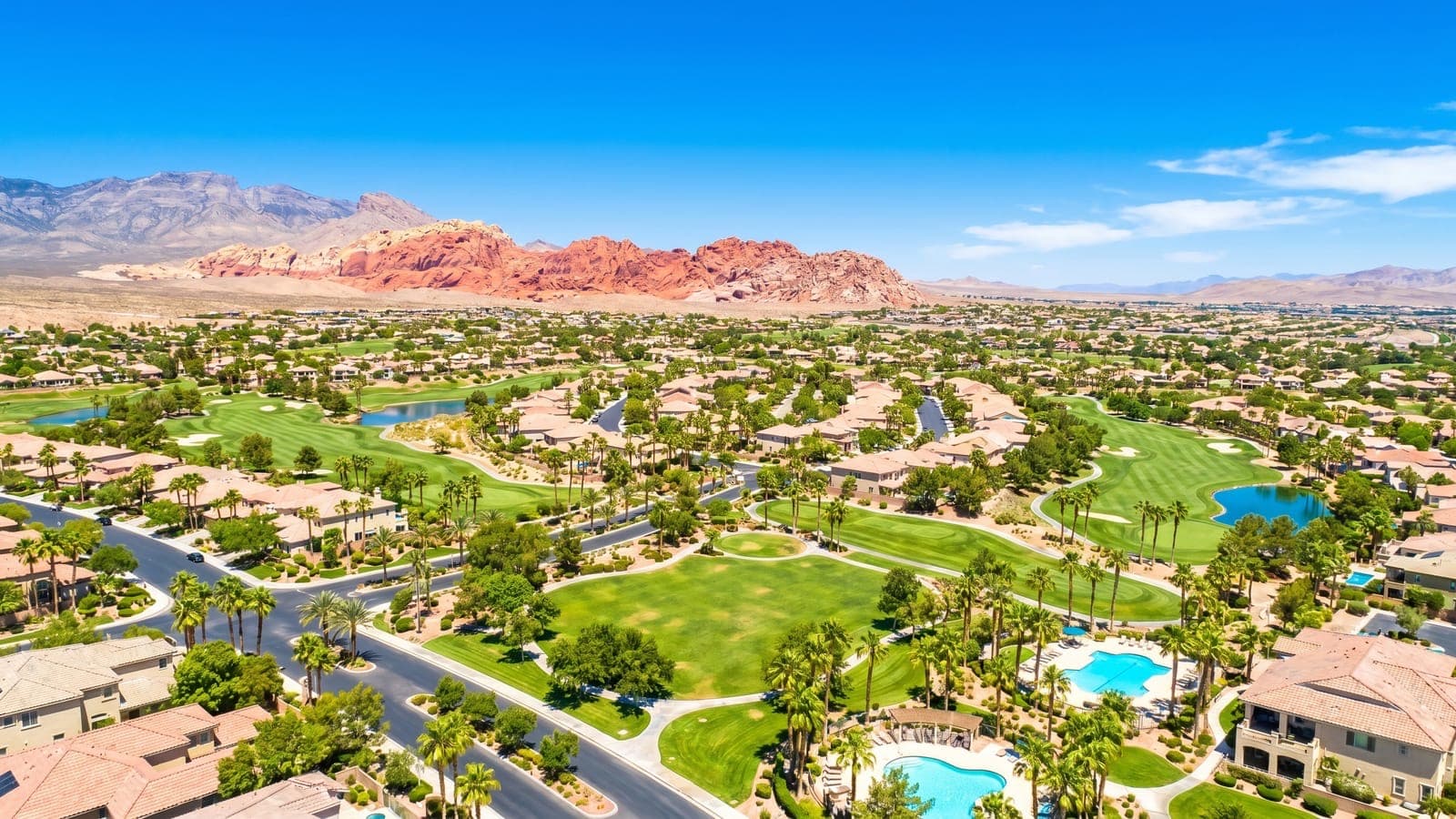
Nevada's #1 team for John S. Park Neighborhood real estate. Search Las Vegas's oldest intact historic district — architecturally distinctive bungalows and cottages from $250K to $500K, genuine walkability, and 15-minute Strip access — with live MLS data.
MEDIAN LIST PRICE (ZIP 89104)
$419K
LVR / GLVAR via Repliers, as of September 14, 2026
HOMES IN THE NEIGHBORHOOD
400+
Community records
ESTABLISHED
1931
Various Builders
DAYS ON MARKET
21
LVR / GLVAR via Repliers, as of September 14, 2026

Property research
Verify for your address
Confirm current school assignments, association documents, parcel taxes, and insurance with the applicable sources.
Last updated
June 14, 2026
Individual data periods may differ from the page update date.
KEY TAKEAWAYS
John S. Park Neighborhood is a 60-acre historic district established in 1931 with 400+ bungalows and cottages priced from $250K to $500K. ZIP 89104 shows a $419,000 median list and 23-day pace per Las Vegas REALTORS; City of Las Vegas covers municipal services. Takeaways below unpack this historic central Las Vegas address.
Last updated September 2026 · Sources: LVR, U.S. Census, City of Las Vegas
ZIP 89104 carried 110 active listings in September 2026 according to Las Vegas REALTORS MLS data, spanning a central Las Vegas market that includes John S. Park Neighborhood's historic bungalows and surrounding streets; John S. Park Neighborhood's 400+ architecturally distinctive homes represent the character tier within that ZIP. The newest listings appear below, refreshed daily.
PRICE DISTRIBUTION
John S. Park Neighborhood's pricing spans $250,000 for original-condition homes to $500,000 for fully renovated examples, with the surrounding ZIP 89104 showing a $419,000 median list price per Las Vegas REALTORS September 2026 MLS data. The bands below show the modeled split of the ZIP area's 110 active listings.
ZIP 89104's 110 active listings break down into original-condition and renovated tiers, two primary property types, and the price filters below — each link opens our live Las Vegas MLS search, with counts updated daily from Las Vegas REALTORS MLS data across ZIP 89104.
John S. Park Neighborhood's 60 historic acres share ZIP 89104 with neighboring Huntridge and central Las Vegas streets. Each card links to a relevant hub or live search so you can see current inventory and lifestyle fit.
Updated daily · 115 active listings · MLS data
STAY AHEAD OF THE MARKET
Custom alerts by condition tier, price, and beds — no spam, unsubscribe anytime. With only 400 homes in the neighborhood and a 23-day median market pace, well-priced renovated John S. Park Neighborhood listings go under contract before many buyers see them publicly. Alert subscribers see new listings within hours of hitting the MLS.
Before choosing a home, request address-specific school assignments for the intended school year from the district. Confirm grade levels, program eligibility, enrollment requirements and any boundary changes. Use the exact property address, including any unit number, and ask the district to confirm the assignment before making a purchase decision.
Check CCSD school zoning · View Nevada Report Card
Compare each school’s programs and published results for the same reporting year. Proximity to a school does not guarantee admission; contact charter, magnet and private schools about their application and enrollment requirements.
CRIME DATA
Review reports from the law-enforcement agency serving the address. Check the reporting period, area covered, offense definitions and completeness before comparing locations. When requesting local information, provide the property address and ask which agency and geographic boundary each report represents, along with any known reporting gaps.
The FBI publishes crime and law-enforcement statistics through its Crime Data Explorer. Its guidance cautions against using crime totals alone to rank communities: reporting practices and local conditions affect comparisons.
A citywide statistic does not establish conditions at a particular home. Ask the local agency about current reports for the area and gaps in the available data. Missing records do not mean zero crime, and a gated entrance does not establish a safety rating.
FBI crime data resources · FBI guidance on comparing communities
John S. Park Neighborhood delivers historic Las Vegas character at its most accessible price: 60 acres established in 1931, tree-lined streets with Craftsman and Spanish Revival bungalows from $250K to $500K, and genuine walkability 15 minutes from the Strip. City of Las Vegas handles municipal services, and Nevada's zero income tax improves affordability further.
John S. Park Neighborhood is known as one of Las Vegas's oldest intact historic residential districts — a 1931 neighborhood of tree-lined streets, Craftsman bungalows, and Spanish Revival cottages in central Las Vegas, within 15 minutes of both the Strip and Downtown, at prices that make architectural character accessible to buyers the master-planned suburbs price out.
It fits first-time buyers seeking architectural character and urban proximity under $500,000, renovation investors targeting the $250K-to-$500K value spread, California relocators trading income tax for walkable historic housing, Downtown and Strip workers who want a short commute, and design-conscious buyers who simply want a home that looks different from every other house on the block.
Morning walks on tree-lined 1930s streets, evenings at the Arts District's independent restaurants a short drive away, and weekends exploring Downtown Las Vegas or the First Friday Art Walk — with a Strip trip fifteen minutes out when the mood hits and a quiet, residential neighborhood to return to every night.
John S. Park Neighborhood anchors the historic residential tier of central Las Vegas in ZIP 89104, south of Downtown and north of the Strip corridor. About 60 acres. Roughly 2–4 miles from the Strip.
Quick Answer
Yes — by every urban-character and affordability measure, John S. Park Neighborhood is one of Las Vegas's most compelling historic addresses. It pairs a 1931 street grid with genuine tree canopy, Craftsman and Spanish Revival architecture from $250,000, and 15-minute Strip and Downtown access. The honest trade-offs: public school ratings run in the 5/10 to 6/10 range, homes require thorough system inspection, and no gate or patrol program supplements personal security. Nevada's zero state income tax improves every price calculation here.
Source: City of Las Vegas
According to the U.S. Census Bureau QuickFacts, Las Vegas city — the parent municipality — holds 656,274 residents with a median income of $66,820. Community records place John S. Park at roughly 1,200 residents across 400-plus households, with an estimated median income near $55,000 and a homeownership rate of about 50%.
The Census does not break John S. Park Neighborhood out as its own place, so the figures below are Las Vegas citywide — presented honestly as the statistical backdrop. Inside the neighborhood, our closing data shows a blend of first-time buyers drawn to the sub-$400,000 price floor, renovation investors targeting the resale spread, Downtown and Strip workers seeking a short commute, design-conscious buyers priced out of coastal cities, and remote workers relocating from California for the zero income tax and architectural character that master-planned Las Vegas suburbs cannot provide.
Source: U.S. Census Bureau QuickFacts, Las Vegas city (John S. Park Neighborhood is not separately tabulated) · Updated
POPULATION & GROWTH
John S. Park Neighborhood itself is essentially built out at 400-plus homes on 60 acres — the 1931 platting left no room for new parcels within the historic boundaries. Its parent city, Las Vegas, has grown by roughly 120,000 people since 2010 per U.S. Census counts, with renewed Downtown revitalization adding demand for the urban-character housing that historic central-city neighborhoods uniquely provide.
Inside John S. Park Neighborhood, growth means turnover and renovation, not expansion: the 400-plus homes on a 1931 plat are a fixed supply. Every new Las Vegas resident who values walkability, architectural character, and Downtown proximity competes for that same stock. The scarcity equation — rising city-wide demand against a capped historical inventory — is the investment logic of an intact historic district.
Sources: U.S. Census Bureau QuickFacts and City of Las Vegas. Citywide figures shown because the Census does not tabulate John S. Park Neighborhood separately; projection reflects recent Las Vegas growth rates. Last updated June 2026.
MARKET TRENDS · LAST 12 MONTHS
Median sold price, days on market, and monthly closings for ZIP 89104 from Las Vegas REALTORS MLS data. Scope honesty first: ZIP 89104 is broader than John S. Park Neighborhood's 400-home historic district, and monthly points are indicative values anchored to the probed 100-day medians — read the level and the pace, not single-month wiggles.
Median Sold Price
$375K–$398K monthly band; $395,000 median over the last 100 days
vs September 2025
Source: Las Vegas REALTORS
Days on Market
20–31 day monthly range; 23 median over the last 100 days — active central-city pace
vs September 2025
Source: Las Vegas REALTORS
Closed Sales / Month
Consistent with a 400-home historic district — individual renovated transactions move the ZIP-level median
vs September 2025
Source: Las Vegas REALTORS
The long view: Las Vegas's median sold price rose 145% between 2014 ($179,525) and 2026 ($438,960), across 191,278 recorded closings — Greater Las Vegas Association of REALTORS (GLVAR) MLS records via Repliers.
ACTIVE CENTRAL LV MARKET
Market Competitiveness
John S. Park runs on thin inventory — ZIP 89104 averaged 23 median days on market over the past 100 days per Las Vegas REALTORS. Well-renovated historic homes draw competing offers. The 400-home supply cap means desirable listings go under contract faster than most buyers expect.
John S. Park Neighborhood is a focused historic-character play — 400-plus bungalows and cottages from $250K original-condition to $500K fully renovated, all on a genuine 1931 walkable street grid. Six buyer profiles below match lifestyles to the neighborhood, followed by the honest pros and trade-offs our team walks every client through before they commit.
Ready to explore homes in John S. Park Neighborhood? Our team knows every block, renovation potential, and school zone in central Las Vegas.
Start Your Home SearchCondition Comparison
A like-for-like comparison of original-condition and renovated John S. Park Neighborhood homes — indicative price, dollars per square foot, days on market, and lifestyle fit — using ZIP-area listing data via Las Vegas REALTORS. Per-tier figures are Nevada Real Estate Group-modeled slices of the ZIP 89104 market; use them as orientation, not appraisal.
| Submarket | Median Price | $ / Sq Ft | Days on Market | Active Listings | Best For |
|---|---|---|---|---|---|
| Original Condition | ~$275,000 | ~$180 | 28 | ~30 | Renovation Investors · Project Buyers |
| Partially Updated | ~$370,000 | ~$230 | 22 | ~45 | Move-Up · Value Buyers |
| Fully Renovated | ~$465,000 | ~$295 | 18 | ~20 | Move-In Ready · Character Buyers |
Source: Las Vegas REALTORS MLS data plus Nevada Real Estate Group analysis, June 2026. The MLS reports at ZIP level (89104) — per-tier medians are our modeled estimates from active-listing review. Listing counts updated daily via Repliers IDX.
Condition Tier Deep Dive
Submarket 1
Original-condition homes aged 70-90 years with period details intact — hardwood floors, original windows, vintage kitchens. Priced below the ZIP median for condition; buyers must budget system overhauls for HVAC, electrical, plumbing, and roofing. The strongest renovation-ROI entry point in the neighborhood.
Browse Original Condition homes →Submarket 2
Homes with one to two generations of selective updating — newer HVAC or roof, updated kitchen or bath, but original systems in other areas. The largest segment of the ZIP 89104 market, requiring buyer diligence to understand what has and has not been addressed.
Browse Partially Updated homes →Submarket 3
Completely updated homes that retain period architectural character — original details preserved or restored alongside modern kitchens, baths, systems, and finishes. The fastest-selling tier; well-renovated John S. Park Neighborhood bungalows go under contract quickly at the $400K–$500K range.
Browse Fully Renovated homes →Submarket 4
The lifestyle engine that makes John S. Park Neighborhood's address compelling: the Las Vegas Arts District 10 minutes south, Downtown Las Vegas 15 minutes away, the Strip 15 minutes via local roads, and Lorenzi Park's 40 acres five minutes north. Owning in John S. Park Neighborhood gives access to Las Vegas's urban cultural footprint at a price point no Strip-adjacent address can match.
Browse Central Las Vegas Urban Amenity Corridor homes →STILL DECIDING?
BY ZIP CODE
John S. Park Neighborhood sits within ZIP 89104, which encompasses a range of central Las Vegas properties including Huntridge and surrounding historic streets. The table below presents the ZIP as a single area corridor, with an honest note that John S. Park Neighborhood's character homes represent one segment within that ZIP per Las Vegas REALTORS.
| ZIP | Primary Area | Median Price | $ / Sq Ft | Days on Market | Active | YoY |
|---|---|---|---|---|---|---|
| 89104 | Central Las Vegas — John S. Park Neighborhood · Huntridge · adjacent historic streets | $405,000 | ~$253 | 23 | 110 | n/a* |
Source: Las Vegas REALTORS MLS plus Nevada Real Estate Group corridor analysis. The $405,000 ZIP median blends John S. Park Neighborhood's character-home range ($250K–$500K) with surrounding central Las Vegas inventory. *Year-over-year change is intentionally omitted at corridor level. Boundaries per Clark County GIS.
New Construction
John S. Park Neighborhood is built out — 400-plus homes on a 1931 plat with no new parcels available. Buyers wanting new construction near central Las Vegas will find activity in northwest and southwest Las Vegas communities. Renovation-focused buyers can find strong value in existing John S. Park stock.
Family & Mid-Market
Established builder with volume communities near central LV
Entry-Level & Family
Accessible new builds across the metro
Entry-Level
High-volume entry-level builder
Family & Move-Up
Technology-forward builder with wide Las Vegas presence
Mid-Market
Value-tier new construction across the Las Vegas metro
Outdoor Recreation
Parks, walkable streets, and urban cultural venues — John S. Park Neighborhood's outdoor footprint centers on the 1931 tree-lined grid and nearby city parks. The City of Las Vegas maintains Lorenzi Park and other central Las Vegas parks, and the Arts District's walkable streets extend the neighborhood's pedestrian character southward.
5 MIN
A 40-acre city park with two lakes, playground, sports fields, and walking paths — the primary green space serving the John S. Park Neighborhood area, about five minutes from most addresses in the historic district.
IN-COMMUNITY
The 1931 tree-lined street grid is itself a recreational amenity — Craftsman bungalow streetscapes with mature shade canopy provide a walking environment that is structurally unavailable in newer Las Vegas suburbs.
20 MIN
One of the largest parks in the Las Vegas Valley — a 324-acre city park in southeast Las Vegas with a lake, disc golf, tennis, softball, and extensive walking trails, about 20 minutes from John S. Park Neighborhood.
10 MIN
The 18b Arts District hosts the monthly First Friday Art Walk and houses independent galleries, cafes, and restaurants — a cultural outdoor and social amenity about 10 minutes from John S. Park Neighborhood.
15 MIN
Fremont Street Experience and the surrounding Downtown Las Vegas entertainment district — about 15 minutes from the neighborhood for evening social outings.
30 MIN
Historic ranch and nature preserve in northwest Las Vegas with walking paths, ponds, and wildlife — a quiet natural contrast to the urban character of central Las Vegas, about 30 minutes north.
The John S. Park Neighborhood Lifestyle
Three everyday moods within minutes of a 1931 bungalow: a morning walk on tree-lined streets to a nearby coffee shop, an afternoon at the Arts District's galleries, and an evening Downtown — with the City of Las Vegas's parks system at Lorenzi Park threading the weekend together.
THIS WEEKEND'S OPEN HOUSES
Open houses in John S. Park Neighborhood are publicly accessible — no gate coordination required. With 400 total homes and a 23-day median market pace, well-priced renovated listings move quickly. Set up instant alerts, browse ZIP 89104 inventory, or call (702) 637-1759 and our team will schedule your weekend historic-neighborhood tour.
Build a budget around the particular home and your circumstances. Obtain current financing terms, property records and service quotes before comparing the cost of a move. A community average cannot establish your tax bill, insurance premium, association charges or savings.
Ask a tax adviser to review income sources, residency dates and any continuing connections to another state. California-source income can remain taxable after a move; the Franchise Tax Board explains part-year and nonresident rules. A headline tax-rate comparison does not calculate your savings.
Get the exact parcel's current tax bill and assessment record from its county. Confirm the property's abatement status and any effect of new construction, a change in use or your circumstances with the assessor. Do not apply a community-wide percentage to a purchase price or assume a tax cap is automatic.
Use lender estimates, insurance quotes, association documents and utility information for the exact address. Include maintenance, moving expenses and any special assessments in the comparison. Renting and buying involve different costs and obligations; future equity or resale gains are not assured.
Check school assignments for the enrollment year and ask about choice-program applications. Investigate parcel-specific hazards and permitted uses with the responsible agencies. Review travel routes and the features that matter to you instead of relying on a broad safety score or a neighborhood recommendation based on household type.
Discuss the homes, budget and timing you want to evaluate with the team.
Explore relocation planningRELOCATION TIMELINE
Plan the purchase and move around your circumstances and the property's verified requirements. Coordinate the transaction, possession and moving arrangements with the relevant parties. For license and vehicle questions, consult the Nevada DMV new-resident guide. Confirm your own deadlines and any exemptions directly with the agency.
Compare homes using your budget, accessibility needs, desired features and travel routes. Evaluate the particular property and surroundings using your own priorities; a neighborhood label does not establish its suitability.
Ask a lender for terms based on your circumstances and the property. Obtain the parcel tax record, insurance quotes, association charges and other recurring costs; a community-wide estimate cannot establish your payment or approval.
Discuss services, compensation, communication and touring arrangements with the agent. Confirm the details in the applicable agreement before relying on a promised service or access to a property.
Check school assignments with the district for the enrollment year and ask about separate program applications. Review parcel-specific flood, wildfire, utility, zoning and intended-use questions with the relevant agencies and service providers.
Discuss price, deposit, contingencies and the proposed schedule with your agent and lender. The signed contract determines the transaction deadlines; market averages do not promise when an offer will be accepted or a purchase will close.
Arrange appropriate inspections and review disclosures, title information, association documents and financing conditions. Investigate unresolved findings with the relevant specialist before the contractual decision deadlines.
Verify which utilities serve the address, what deposits or appointments are required, and when service can begin. Coordinate access and the moving date with the agreed possession terms and any building or association requirements.
Confirm completion and possession with the closing parties before arranging access. Consult the Nevada DMV's current new-resident guide for license, registration, documentation and exemption requirements that apply to you.
ECONOMY & JOBS
John S. Park residents work across the Strip, Downtown Las Vegas, and the metro's healthcare and professional-services sectors. According to the U.S. Bureau of Labor Statistics, Las Vegas is strong in hospitality, healthcare, and construction, with growing tech and professional employment supporting demand for walkable central housing.
Sources: U.S. Bureau of Labor Statistics, City of Las Vegas. Last updated June 2026.
COMMUNITY COMPARISON
John S. Park leads on vintage authenticity and Downtown proximity; Huntridge on mid-century character; Spring Valley on newer stock; Summerlin on top schools and master-plan polish. Metrics updated June 2026 from LVR, the U.S. Census, and FBI UCR.
| Metric | John S. Park | Huntridge | Spring Valley | Summerlin |
|---|---|---|---|---|
| Entry Price | $250K | $200K | $350K | $450K |
| Guard-Gated | No | No | No | Some villages |
| HOA Monthly | $0–$30 (most none) | $0–$40 (most none) | $50–$150 | $50–$500+ |
| ZIP Median List | $405K (89104) | $405K (89104) | $399K (89102) | $728K area |
| Days on Market | 23 | 23 | 21 | 29 |
| Established | 1931 | 1941 | Various | 1990+ |
| Architecture | Craftsman, Spanish Revival | Mid-century | Mixed suburban | Master-plan contemporary |
| Strip Commute | 15 min | 15 min | 15 min | 20 min |
| Best For | Historic character · Walkability | Mid-century · Urban proximity | Value · Suburban amenities | Schools · Master-plan polish |
Sources: Las Vegas REALTORS, U.S. Census QuickFacts. Community income and crime figures are Las Vegas city-wide — the Census and FBI do not tabulate John S. Park Neighborhood separately. Last updated June 2026.
Build a property-specific budget using a lender quote, the parcel tax estimate, insurance quotes and association documents. The starting amounts below are editable illustrations, not current local rates or verified fees. Compare the result with your Loan Estimate, and budget separately for maintenance, utilities and closing costs.
Inputs are assumptions, not a loan offer, insurance quote or parcel tax calculation. This simplified fixed-rate example applies the selected PMI rate below 20% down; actual mortgage-insurance eligibility, cost and cancellation depend on the loan. Maintenance, utilities, closing costs and special assessments are additional. Review the CFPB housing budget guide and confirm amounts with the relevant providers.
BUYING AND RENTING
Compare actual homes that meet the same needs over your expected time in the area. A purchase price and an advertised rent alone do not establish which option costs less. Use current quotes and separate monthly cash flow, upfront cash, and the amount you might recover when moving.
Start with the down payment, lender and closing charges, and any immediate repairs. Add principal and interest, property taxes, insurance, mortgage insurance where applicable, association dues, utilities and ongoing maintenance. Identify expenses paid outside escrow so they are included in your household budget.
For a later sale, model the remaining loan balance and selling expenses. Appreciation is uncertain; compare unchanged-price and lower-price cases as well as any growth assumption. Principal repayment builds an ownership interest, but that does not guarantee a profit or make every cash payment recoverable.
Use an actual lease offer and confirm the term, deposit, renewal provisions, parking, pet charges, utilities and renter's insurance. Record which maintenance services are included and any costs or restrictions associated with an early move. An advertised starting rent may not include every required charge.
Keep the comparison consistent: use the same time period, household needs and moving assumptions. Include the cash that remains available when a down payment is not used, without assuming a guaranteed investment return. Your need for flexibility and responsibility for repairs also matter alongside the financial figures.
There is no verified community-wide holding period or five-year equity gain shown here. Ask your lender to explain financing assumptions and have a tax professional assess any claimed tax benefit for your circumstances. Keep a copy of the quotes and dates so you can update the comparison before making an offer.
PROPERTY-SPECIFIC ASSOCIATION COSTS
A community name does not establish a property's current dues or all the associations that govern it. Obtain the applicable resale package, budget and governing documents for the exact address. Confirm the effective date and payment frequency of each fee with the association or its manager.
Identify master and sub-association dues separately. Check whether utilities, exterior maintenance, insurance, amenities or club access are included, optional or billed separately. A listing's monthly figure may omit a quarterly or annual charge, and an advertised amenity does not establish membership rights.
Ask about transfer, document, capital-contribution and other transaction fees, as well as approved or proposed assessments. Confirm who pays each item under the contract. Review available reserve and budget information; historical dues are not a guarantee of future charges.
Verify the actual rules for leasing, pets, parking, property changes and amenity access. Age restrictions and gate staffing require their own current documentation. Do not assume neighboring subdivisions or similarly named communities have identical rules, services or fees.
COMMUTE & TRANSPORTATION
Local surface roads connect John S. Park Neighborhood to the Strip and Downtown Las Vegas in about 15 minutes, and the 1931 walkable grid handles daily errands without a car. Mean Las Vegas commutes run near 25 minutes per U.S. Census ACS data; Strip and Downtown commuters here typically run under that mark.
Drive times based on average non-rush-hour conditions. Sources: Google Maps traffic data, RTC of Southern Nevada.
Quick Answer
Most John S. Park Neighborhood purchases close in 30 to 45 days — Nevada uses escrow companies, not attorneys. Cash buyers can close in 10 to 14 days. Renovation-loan buyers (FHA 203k or HomeStyle) should budget 45 to 60 days. Request the HOA resale package on day one to protect the timeline.
Quick Answer
FHA loans allow 3.5% down at the $250K–$500K price range — a $8,750 to $17,500 minimum. Conventional loans at 5% to 20% are common. Renovation buyers using FHA 203k or HomeStyle loans can wrap repair costs into the mortgage, which is often the right tool for original-condition John S. Park Neighborhood homes. Veterans using VA loans can purchase with zero down with full entitlement. Ask Nevada Real Estate Group about loan-type fit for the specific home before offering.
John S. Park Neighborhood FAQ — 18 Answers
John S. Park Neighborhood homes range from $250,000 for original-condition bungalows to $500,000 for fully renovated examples. ZIP 89104 carried a $419,000 median list and a $395,000 median sold in September 2026 per Las Vegas REALTORS. The 400-home enclave on 60 acres means inventory is thin — set a live alert with Nevada Real Estate Group to catch listings before the 23-day market closes them.
John S. Park Neighborhood sits in ZIP 89104 in central Las Vegas. From the neighborhood, the Strip is about 15 minutes via local roads, Downtown Las Vegas is also about 15 minutes, Harry Reid International Airport is roughly 20 minutes via I-15 or I-215, and Summerlin is about 25 minutes via US-95. That central position suits Strip and Downtown commuters, hospitality workers on shift schedules, and buyers who want character housing without the drive times of outer-ring suburbs. Test the route at your actual work hours before committing — central ZIP drive times vary by corridor.
Most John S. Park Neighborhood homes carry $0 to $30 per month in HOA dues — a significant contrast to master-planned communities where fees often run $100 to $500 monthly. Much of the neighborhood has no formal HOA at all, which is common in Las Vegas's older historic districts. Where modest dues exist, they typically cover street tree or common-area maintenance, not resort amenities. The upside is lower fixed monthly carrying cost and more renovation freedom; the trade-off is less uniform upkeep on neighboring properties. Verify the HOA status and any voluntary-assessment history for a specific address during due diligence.
John S. Park Neighborhood is roughly 15 minutes from the Las Vegas Strip via local roads — no freeway needed for most Strip commutes. Downtown Las Vegas sits about the same distance; Harry Reid International Airport is approximately 20 minutes via I-15 or I-215; Summerlin is roughly 25 minutes via US-95 or Summerlin Parkway. This central position makes the neighborhood compelling for buyers who want to stay close to major employment corridors without paying the premium of Strip-adjacent high-rise addresses. Drive the route at peak hours before committing, as surface-road timing can vary.
John S. Park Neighborhood falls within the Clark County School District. Nearby public campuses include Clark High School (6/10 GreatSchools), Fremont Middle School (5/10), and John C. Fremont Elementary (6/10). Private options in the broader area include Bishop Gorman High School (A+) and The Meadows School (A+, PreK-12). Charter options include Coral Academy of Science (8/10) and Nevada State High School (7/10). CCSD zone assignments are address-specific and can shift — confirm the current assignment with CCSD directly before writing an offer, and Nevada Real Estate Group can help you look up the current zone.
John S. Park Neighborhood was established in 1931, making it one of the oldest intact residential districts in Las Vegas. The neighborhood carries roughly 60 acres of tree-lined, pedestrian-friendly streets lined with bungalows, Craftsman cottages, and Spanish Revival homes built across the 1930s through 1950s — architectural styles rarely found in the valley's newer master plans. Mature trees canopy the streets in a way that 20-year-old subdivisions simply cannot replicate. That combination of age, walkability, and concentrated architectural character is the defining draw for buyers who want a home that looks distinctly different from every other house on the block.
Portions of John S. Park Neighborhood carry historic-district recognition through the City of Las Vegas, which can affect the scope and permitting of exterior renovations. Buyers considering major exterior changes — additions, facade modifications, or demolition-rebuild — should review applicable local preservation guidelines with the City of Las Vegas Planning Department before closing. Interior renovations are generally not affected by historic designation. Historic status can also support property-tax incentives in some Nevada programs — verify with the Clark County Assessor whether any abatement applies to a specific parcel before buying.
John S. Park Neighborhood offers some of the strongest renovation ROI in central Las Vegas: homes priced from $250,000 in original condition can sell for $450,000 to $500,000 after quality renovation — a spread that supports material investment in systems, kitchens, baths, and energy efficiency. The architectural bones — Craftsman bungalows, Spanish Revival cottages, mid-century single-stories — are structurally appealing to buyers priced out of Summerlin who want character over master-plan uniformity. Nevada Real Estate Group has closed renovated and original-condition transactions throughout ZIP 89104 and can walk you through realistic renovation budgets and resale expectations for specific John S. Park addresses.
Both neighborhoods are historic Las Vegas districts in ZIP 89104 with mid-century and pre-war architecture, minimal HOA, and central locations roughly 15 minutes from the Strip. Huntridge skews slightly later in vintage (1941 vs. 1931) and has a more prominent association with Las Vegas's mid-century commercial corridor; John S. Park Neighborhood is somewhat older and more residential in character, with tree-lined streets and more intact bungalow stock. Pricing across ZIP 89104 is consistent between the two — the $395,000 median sold covers both. Buyers should compare specific streets and renovation levels rather than treating the neighborhoods as interchangeable.
Nevada's effective property-tax rate runs roughly 0.5–0.75% of assessed value per the Clark County Assessor, and the state caps annual increases on a primary residence at 3% under Nevada Revised Statutes 361.471. On a $395,000 purchase, plan around $1,975 to $2,963 annually. One important note: long-held John S. Park Neighborhood homes often carry abated tax bills — assessed value resets to current market value at sale, so verify the post-sale tax figure with the Assessor before building your ownership-cost budget. Historic-district parcels may qualify for additional abatement programs — worth checking before closing.
John S. Park Neighborhood attracts a mix of first-time buyers drawn to the lower price floor, renovation investors targeting the $250,000-to-$500,000 value spread, urban professionals seeking walkability and Downtown proximity, and design-conscious buyers who want architectural character unavailable in newer subdivisions. Remote workers moving from California and other high-tax states find the combination of sub-$500,000 pricing, zero Nevada income tax, and tree-lined streets an appealing alternative to both strip-mall suburbs and unaffordable coastal cities. The neighborhood is also seeing interest from buyers who want Las Vegas centrality without Strip-adjacent noise and density.
Four factors move real money in John S. Park Neighborhood. First, renovation scope: understand exactly what a home needs before offering — systems aged 70 to 90 years (electrical, plumbing, HVAC, roof) can represent significant capital. Second, historic designation: exterior changes on designated parcels require City of Las Vegas Planning review. Third, tax reset: long-held homes re-assess to current market value after sale — verify the post-sale figure early in escrow. Fourth, thin inventory: with only 400+ homes in the neighborhood, active listings cycle quickly in a 23-day median market. Pre-approval and alert setup before you need to move fast are non-negotiable here.
Yes — by Las Vegas standards, John S. Park Neighborhood is genuinely walkable. Tree-lined streets, a grid layout dating to 1931, and proximity to Downtown Las Vegas give residents pedestrian access that most Las Vegas suburbs cannot match. Several dining, retail, and cultural venues near Downtown and the Arts District are reachable on foot or by short bike ride. Daily-driver car use is still practical for most errands, but the neighborhood's walkability is a real amenity — one that new master-planned communities are actively trying to engineer and rarely achieve with the same authenticity as a 90-year-old street grid.
Most John S. Park Neighborhood purchases close in 30 to 45 days from accepted offer — Nevada closes through escrow companies, not attorneys. Cash buyers can often close in 10 to 14 days. Renovation-loan buyers (FHA 203k, conventional rehab) should budget 45 to 60 days for the additional lender inspection steps. HOA resale-package delivery on the minority of properties with formal dues adds a few days — start that request the day you go under contract to keep the escrow timeline clean.
John S. Park Neighborhood is one of several central Las Vegas historic districts that collectively form the city's oldest residential fabric. The City of Las Vegas has invested in Downtown revitalization programs that benefit adjacent historic neighborhoods, and the neighborhood sits near the Las Vegas Arts District — the 18b district — which hosts monthly First Friday cultural events drawing thousands of visitors. Residents who value proximity to an active urban cultural scene, independent restaurants, and walkable social life find John S. Park Neighborhood's position between Downtown and the Arts District a significant quality-of-life advantage over master-planned suburbs.
Most John S. Park Neighborhood buyers qualify for FHA financing with 3.5% down at the $250,000–$500,000 price range — a $8,750 to $17,500 minimum down payment. Conventional loans at 5% to 20% down are common. Renovation buyers using FHA 203k or HomeStyle loans can wrap repair costs into the mortgage, which is often the right tool for original-condition John S. Park homes. Veterans using VA loans can purchase with zero down even above conventional limits with full entitlement. Ask Nevada Real Estate Group about loan-type fit for the specific home condition before you offer.
Yes. John S. Park Neighborhood sits near Downtown Las Vegas and the Las Vegas Arts District, giving residents walkable and short-drive access to independent restaurants, coffee shops, breweries, and galleries that are genuinely uncommon in Las Vegas's master-planned suburbs. The monthly First Friday Art Walk in the 18b Arts District is a short drive or bike ride. Major grocery and retail are within a 10-minute drive, and the Strip's restaurants and entertainment are about 15 minutes. The food-and-culture scene distinguishes this address from any outer-ring suburb at a similar price.
Single-family homes in ZIP 89104 typically rent for $1,400 to $2,200 per month, with renovated John S. Park Neighborhood homes at the top of that band. Investor demand is active given the renovation upside, and tenant demand from Downtown workers and Arts District residents keeps vacancy low. Short-term rental rules in Las Vegas require a city license and compliance with zoning — verify the current rules with the City of Las Vegas before underwriting any short-term rental income on a John S. Park Neighborhood property.
Updated September 2026
STILL HAVE QUESTIONS?
Want more Nevada real estate answers like this in your Google results?
PEOPLE ALSO ASK
These are the eight queries John S. Park Neighborhood buyers type into Google and AI assistants — answered with verifiable specifics sourced from City of Las Vegas, Las Vegas REALTORS MLS data, and GreatSchools school ratings. Every figure links to a primary source you can check.
Yes — John S. Park Neighborhood is an incorporated City of Las Vegas historic district in ZIP 89104. It is not in unincorporated Clark County, Henderson, or North Las Vegas. City of Las Vegas municipal services cover the area: LVMPD policing, NV Energy and Southwest Gas utilities, and City of Las Vegas Planning Department oversight for historic-designation matters.
ZIP 89104 — a central Las Vegas ZIP covering John S. Park Neighborhood, Huntridge, and surrounding historic streets. Drive times from this ZIP run about 15 minutes to both the Strip and Downtown Las Vegas, 10 minutes to the Arts District, and 20 minutes to Harry Reid International Airport via I-15 or I-215.
No — they are adjacent but distinct historic neighborhoods in ZIP 89104. Huntridge was established in 1941 and is more associated with mid-century commercial character along Maryland Parkway; John S. Park Neighborhood was established in 1931, is slightly older, and has a more purely residential character with a grid of bungalows and cottages. Pricing across ZIP 89104 is consistent between the two, with the $395,000 median sold applying broadly.
John S. Park Neighborhood was established in 1931, making most homes approximately 90-95 years old as of 2026. Some homes have seen partial or complete renovation; others remain in original or minimally updated condition. Age at this vintage means electrical, plumbing, HVAC, and roofing systems deserve thorough specialist inspection — budget appropriately before writing an offer.
Most John S. Park Neighborhood homes are single-family bungalows and cottages built before private pools were common in Las Vegas residential construction. Some renovated homes have added private pools as part of backyard transformation projects. There is no community pool — amenities are whatever the individual homeowner has added. Confirm pool presence and condition in the listing before touring.
Yes — by Las Vegas standards, John S. Park Neighborhood is genuinely walkable. The 1931 grid provides tree-lined streets and a pedestrian scale that master-planned suburbs cannot replicate. Daily errands still require a car for most residents, but the neighborhood's walkable character is a real and structurally permanent amenity. The Arts District and Downtown are reachable on foot or by bike for motivated pedestrians.
Approximately 15 minutes via local roads — no freeway required. The 18b Arts District is about 10 minutes. This central position gives John S. Park Neighborhood residents access to Downtown Las Vegas's employment, entertainment, and cultural scene without paying Strip-adjacent condominium prices.
The fundamentals support it: a fixed supply of 400-plus homes on a 1931 plat that cannot add parcels, a $250K-to-$500K renovation spread that rewards strategic buyers, Downtown Las Vegas revitalization investment driving demand for adjacent historic neighborhoods, and Nevada's zero income tax improving long-run returns. Ask Nevada Real Estate Group for recent ZIP 89104 closed comps and renovation cost-versus-resale estimates before committing.
WHY NEVADA REAL ESTATE GROUP
9,600+ closed transactions and $4.85B+ in volume since 2011 — including historic-district and central Las Vegas neighborhoods across ZIP 89104, the renovation-to-resale tier, and first-time buyer transactions from $250,000. Direct knowledge of Las Vegas vintage-home valuation, renovation ROI, and historic-designation due diligence. The largest agent team in Nevada with 9,061+ verified five-star reviews backs the #1 ranking statewide.
WORK WITH THE BEST
Tell the team about your preferred area, budget, timing and property requirements. Ask about representation and the records needed to evaluate a particular home. Review current listings, comparable sales and the written terms of any services before deciding how to proceed. Contacting the team does not guarantee a purchase, sale price or response deadline.
NEARBY COMMUNITIES
Compare John S. Park Neighborhood with neighboring central Las Vegas communities. Each card pairs the drive time with price positioning, so you can judge whether trading the 1931 historic character for a newer suburban address actually buys you more lifestyle for the money.
More Las Vegas communities
Shopping the whole city? Browse all Las Vegas homes for sale — live MLS listings updated daily.
A–Z INDEX
John S. Park Neighborhood shares ZIP 89104 with Huntridge and other central Las Vegas historic streets. Dedicated community pages are rolling out; entries below are indexed for orientation, and our team can pull current listings, renovation data, and school zoning for any central Las Vegas address on request.
KEEP LEARNING
These guides extend the research most John S. Park Neighborhood buyers do next — understanding the broader Las Vegas housing market, comparing neighborhoods across the valley, and knowing the buyer tools available in this price range — each written by our team from the same MLS data and primary sources used throughout this page.
MARKET UPDATE
Valley-wide pricing, inventory, and rate context — the macro backdrop behind the ZIP 89104 numbers.
Read →BUYER GUIDE
Comprehensive buyer guide comparing Henderson and Las Vegas neighborhoods — useful context for buyers weighing central city vs. suburban Henderson.
Read →CITY HUB
All Las Vegas neighborhoods, market stats, buyer resources, and community guides in one place.
Read →NEIGHBORHOOD GUIDE
The valley ranked by buyer type — families, first-timers, luxury, retirees — before you tour.
Read →Sources & Methodology
Every statistic on this page comes from a primary or government dataset, refreshed monthly. Honesty note: ZIP 89104 is broader than John S. Park Neighborhood's 400-home district — area-level figures are labeled as such, and per-tier numbers are modeled estimates. Follow any link to verify.
Methodology: Listing data is sourced via Repliers IDX feed (Las Vegas MLS) and refreshed every 15 minutes. Demographic and economic data are pulled monthly via Census/BLS APIs. School data is refreshed quarterly. All comparisons are like-for-like (same metric, same time period).
Updated: September 2026 · Next update: September 15