

Somewhere in your closing packet, between the loan disclosures and the HOA paperwork, sits a four-figure charge for a product you'll probably never think about again — and a checkbox decision about a second policy that determines whether you are protected or only your bank is. Most buyers sign without knowing which box got checked.
Title insurance deserves five clear minutes, and Nevada buyers deserve the local version of the story: ours is the state where HOA "super-priority" liens wiped out first mortgages by the thousands after 2008, where mineral-rights and easement quirks ride under desert subdivisions, and where seller-impersonation fraud has made blank vacant lots a national crime target. Across the 9,600+ closings Nevada Real Estate Group has represented statewide, we've watched title issues surface at every price point — and watched a one-time premium quietly absorb problems that would otherwise cost owners six figures. Here's the whole product, decoded, whether you're closing in Las Vegas or Reno.
Title insurance protects your ownership against defects predating your purchase — forged deeds, unknown heirs, unreleased liens, recording errors. Nevada closings involve two policies: the required lender's policy (protects the bank, roughly $1,000-1,400) and the owner's policy (protects you as long as you own, roughly $1,800-2,500 at $500,000 — and in most Southern Nevada deals the seller pays it by custom). One premium, no renewals — always take the owner's policy.
- Two policies, one closing: the lender's policy protects the bank; only the owner's policy protects you.
- In Southern Nevada custom, the seller typically pays for the buyer's owner's policy — confirm it in your offer.
- One-time premium: roughly $1,800-2,500 for an owner's policy on a $500,000 Nevada home, never renewed.
- Nevada's HOA super-priority lien history (NRS 116) is the state's loudest argument for extended coverage.
- Read the preliminary title report during your review window — it lists every exception before you're locked in.
What Does Title Insurance Actually Do?
Every other insurance you own looks forward — it pays for things that might happen next. Title insurance looks backward: it insures that the ownership history behind your deed is clean, and it pays when something buried in that history surfaces to challenge your ownership. A deed forged in 1998. A 2019 seller whose ex-spouse never signed off. A contractor's lien recorded against the previous owner the week before your closing. An heir nobody located when an estate sold the house.
The product has two halves that both matter. First, the search: before issuing a policy, the title company examines the recorded chain — deeds, liens, judgments, easements, taxes — at the Clark County Recorder or Washoe equivalent, and most defects get found and fixed before closing. That cure work is the product's quiet value: the lien gets paid from seller proceeds, the missing signature gets collected, and you never hear about any of it. Second, the insurance: for whatever the search couldn't see — forgery, fraud, off-record claims — the policy defends you in court and pays covered losses up to the policy amount.
According to the American Land Title Association, title professionals find and cure issues in a meaningful share of all transactions — the industry's own data puts curative work ahead of roughly one in three closings. The claim you never had is the one the search prevented.
What's the Difference Between the Lender's and Owner's Policy?
This is the section to actually read. A Nevada closing typically issues two separate policies:
| Dimension | Lender's policy | Owner's policy |
|---|---|---|
| Who it protects | Only the mortgage lender | You and your heirs |
| Required? | Yes, by every lender | Optional — and the one that matters to you |
| Coverage amount | Loan balance (declines as you pay down) | Purchase price (your full stake) |
| Duration | Until the loan is paid or refinanced | As long as you or your heirs own the property |
| Typical Nevada premium | About $1,000-1,400 | About $1,800-2,500 |
| Who customarily pays (Southern NV) | Buyer | Seller |
| Who customarily pays (Northern NV) | Buyer | Often split or negotiated — confirm locally |
The trap hiding in that table: if you decline the owner's policy, you are completely unprotected — the lender's policy pays the bank's loss, not yours. A wiped-out owner with a lender's-policy-only closing loses the down payment, the equity, and the house, while the bank gets made whole. And in most Southern Nevada resale transactions, the seller pays for your owner's policy anyway by regional custom (it's a line in the standard GLVAR purchase agreement) — declining it saves you nothing. Confirm the box is checked in your offer; in Northern Nevada, where customs vary more, make it an explicit ask.
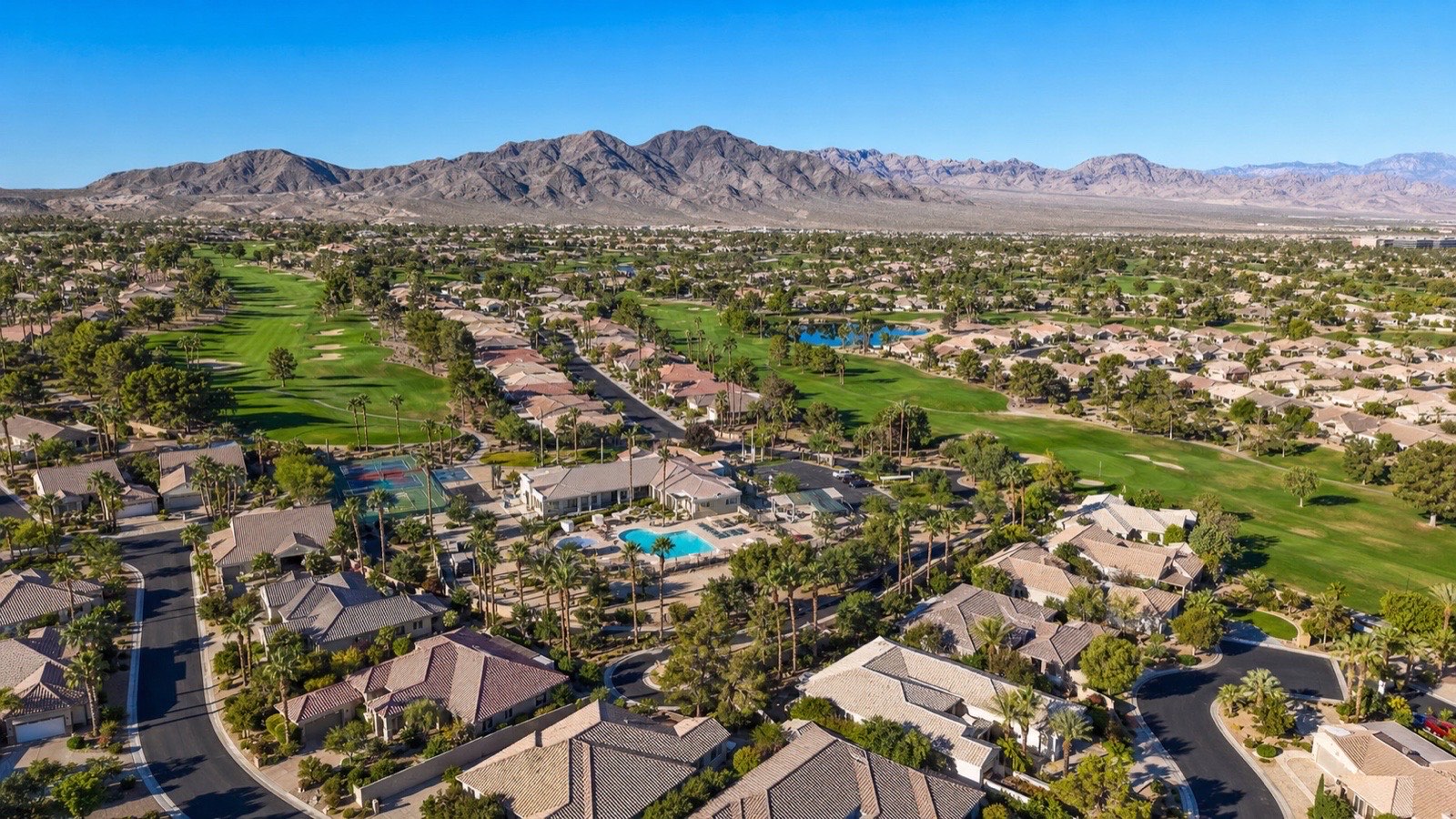
What Does an Owner's Policy Cover — and Not Cover?
According to the Consumer Financial Protection Bureau, the owner's policy is the piece most buyers misunderstand — so here's the coverage split plainly. The standard owner's policy covers the classics: defects in the recorded chain, forged or improperly executed prior documents, undisclosed heirs, unreleased mortgages and liens, recording errors, and lack of legal access. The extended ALTA Homeowner's Policy — worth the modest premium bump on most Nevada purchases — adds post-policy protections the standard form skips:
| Risk | Standard policy | Extended homeowner's policy |
|---|---|---|
| Forged deed in the prior chain | Covered | Covered |
| Unreleased prior liens | Covered | Covered |
| Post-policy forgery (someone fakes YOUR deed later) | Not covered | Covered |
| Building-permit violations by prior owners | Not covered | Limited coverage |
| Encroachments discovered after closing | Not covered | Covered (with limits) |
| Automatic inflation increase (up to 150%) | No | Yes |
What no title policy covers: problems you create after closing (your own unpaid contractor, your HOA delinquency), defects you already knew about and accepted, zoning and land-use rules, and anything listed as an exception in your policy's Schedule B. That word — exceptions — is why the next section is the most practical one in this guide.
What Is the Preliminary Title Report and Why Must You Read It?
Days after escrow opens, the title company issues the preliminary report ("prelim") — a preview of exactly what your policy will and won't insure. Schedule B is the business end: every recorded easement, CC&R set, mineral reservation, deed restriction, and lien that will ride along as an exception to your coverage.
How to read it without a law degree: skim Schedule A first (it states the exact vesting, legal description, and policy amounts — confirm your names and the price are right), then slow down for Schedule B. For each exception, ask one question: does this limit how I plan to use the property? A rear-lot utility easement on a finished tract home limits nothing. The same easement running diagonally under your planned pool does. Your agent should be able to pull and email you the actual recorded document behind any exception number within a day — never accept "it's probably standard" on an item that touches your plans.
Nevada reality check on what you'll find there. What the exceptions actually look like on the page: each is a numbered paragraph citing a recorded document by book and instrument number, and the number is your lookup key at the recorder's site. Utility easements along lot edges: routine, ignore. A shared-driveway or access easement across your land: read it. Solar-lease UCC filings: must be resolved or assumed before closing. Mineral-rights reservations under older Nevada parcels: common and usually dormant, but worth understanding on acreage. An unexpected deed of trust or judgment lien: escrow's job to clear from seller proceeds — verify it's gone before you sign. Your purchase contract gives you a defined window to review and object to the prelim; it's one of the few free exit ramps in a Nevada escrow, and in our experience fewer than one buyer in ten actually reads the document. Be the one. The how-escrow-works guide walks the full timeline these documents live inside.
Why Are HOA Super-Priority Liens Nevada's Signature Title Risk?
If you want the single best argument for title insurance in this state, it's a piece of Nevada law that made national news. Under NRS 116.3116, a portion of an HOA's delinquent-assessment lien holds super-priority status — it outranks even a first mortgage. After the foreclosure crisis, HOAs foreclosed on delinquent assessments and — as the Nevada Supreme Court confirmed in its landmark 2014 SFR Investments decision — those foreclosures extinguished first deeds of trust entirely. Investors bought homes at HOA auctions for a few thousand dollars in back dues and wiped out six-figure mortgages; the litigation ran for a decade.
Why it matters to you in 2026: thousands of Las Vegas-area homes carry an HOA-foreclosure event somewhere in their chain of title, and the legal cloud from that era made careful title work on affected properties non-negotiable. When you buy a home with an HOA-auction deed in its history, your title company is underwriting real, litigated risk — and your owner's policy is what stands between you and a resurrected claim. It's also why escrow in Nevada always orders an HOA demand and resale package: assessments must show paid-current at closing, because the lien statute never sleeps. Buying in any of the valley's 3,000+ associations — which is to say, most of Henderson and Summerlin — this is the paragraph to remember.

How Much Does Title Insurance Cost in Nevada in 2026?
According to the Nevada Division of Insurance, title premiums in Nevada are filed rates — each underwriter files its schedule with the state, so pricing is consistent and tied to the purchase price (owner's policy) or loan amount (lender's policy). Realistic 2026 planning numbers:
| Purchase price | Owner's policy (approx.) | Lender's policy (approx.) | Notes |
|---|---|---|---|
| $350,000 | $1,400-1,800 | $800-1,100 | Entry-tier Las Vegas / Sparks |
| $500,000 | $1,800-2,500 | $1,000-1,400 | Near both metro medians |
| $750,000 | $2,500-3,300 | $1,300-1,800 | Move-up tier |
| $1,200,000 | $3,600-4,800 | $1,900-2,600 | Luxury tier; simultaneous-issue discounts matter more |
Three discounts worth asking for by name. The simultaneous-issue rate: when the owner's and lender's policies issue together at closing, the second policy prices at a deep discount — standard practice, but verify it's applied. The reissue rate: if the seller bought within the last several years (or you're refinancing), a discounted premium applies — the same discount our refinance guide flags on the lending side. And builder/investor rates on new construction, where the subdivision's underlying title work is fresh. Against the Las Vegas metro's $442,713 May median on our data desk . According to Las Vegas REALTORS, June's single-family median hit a record $490,000 — a typical valley closing carries roughly $3,000-3,900 in combined title premiums, split between the parties by the customs above.
Remember what's not recurring: this is a single premium at closing. No renewals, no annual bill — the owner's policy protects you for as long as you or your heirs hold the property. Amortized over a decade of ownership, the owner's policy on a median Vegas home costs about $20 a month for coverage of your entire equity stake.
How Does Title Insurance Defend Against Deed Fraud?
The fraud wave matters here. Seller-impersonation fraud — criminals posing as owners of vacant land or non-owner-occupied homes, listing and "selling" property they don't own — has surged nationally since 2022. According to the FBI's IC3 reporting, real-estate fraud losses run into the hundreds of millions annually. Nevada's inventory of vacant desert parcels and out-of-state landlords makes our market a favorite target; our fraud-protection guide covers the prevention side in depth.
Title insurance is the financial backstop in that story. If a forged deed lurks in your chain — or, with the extended homeowner's policy, if someone forges a deed against your home after you buy — the insurer defends the litigation and covers the covered loss. Pair the policy with the free monitoring both big counties now offer: recording-notification programs at the Clark County Recorder and Washoe County Recorder email you whenever any document records against your name or parcel. Free alarm system, one-time-premium insurance — that's the complete deed-fraud defense stack available to every Nevada owner in 2026.
What Actually Happens When You File a Title Claim?
Claims are rare by design — the search cures most problems before closing — but when one lands, the sequence looks like this: you discover the problem (a demand letter, a lien surfacing in a refinance, a stranger's deed), you notify the insurer in writing promptly, the underwriter investigates, and then it either defends (hires and pays the lawyers — often the policy's most valuable feature, since quiet-title litigation runs $15,000-50,000+), cures (pays off the lien or fixes the record), or pays your covered loss up to the policy amount.
Honest expectations: industry-wide claim rates are low single digits, insurers scrutinize exclusions, and Schedule B exceptions are excluded by definition — which is why reading the prelim beats litigating the policy. Practical claim hygiene if you ever need it: notify the insurer the week you learn of the problem (late notice is a classic denial ground), send everything in writing to the claims address on the policy jacket, keep paying your mortgage and taxes while the claim runs, and don't sign anything from the adverse party without the insurer's counsel involved. Keep the policy itself findable — buyers routinely lose the jacket within a year, and while the title company can reissue evidence of coverage, starting a claim with the document in hand saves weeks. But the asymmetry is the point. You pay roughly $2,000 once; the tail risk is your entire equity. Nevada owners who lived through the HOA-lien era don't need the asymmetry explained twice.
What Title Issues Show Up Most in Nevada Escrows?
A field guide to what actually crosses our escrow desks, roughly in order of frequency. Unreleased liens lead — a prior mortgage paid off years ago whose release never recorded, or a solar loan's UCC filing the seller forgot existed; both are curable paperwork, but they add days, which is why we pull title early on every listing. HOA demand surprises come second: transfer fees, capital contributions, and delinquencies that surface in the resale package — in super-priority Nevada, these get resolved to the penny before closing. Easement misunderstandings third: the buyer who didn't realize the flood-control easement ate a third of the backyard's build potential, discovered at the prelim stage when it's still free to walk. Then come estate and vesting gaps — a deceased co-owner still on title, a divorce decree never followed by a deed — which Nevada's probate and community-property rules make more common than buyers expect (our how-to-hold-title guide explains the vesting side). And rarest but worst: fraud and forgery, the category insurance exists for.
The pattern worth internalizing: nearly everything on that list is findable in week one of escrow and fixable before closing when someone competent is driving. Title problems become title disasters mainly through time pressure — the cash deal that waived everything and closed in five days, the FSBO that never ordered a search at all. Speed is negotiable; the search isn't.
How Is Title Handled Differently in Northern Nevada?
Mechanics are identical — same policies, same filed-rate structure, same recorder-based search — but three practical differences show up north. Customs: who pays the owner's premium is less standardized in Washoe and the rural counties than Southern Nevada's seller-pays default; put it in the offer explicitly. Rural title complexity: Carson City, Dayton, and Lyon County acreage carries more water-rights notations, mineral reservations, and access-easement history than a Vegas subdivision — prelims run longer and deserve proportionally more attention, especially on well-and-septic parcels. Water rights in particular deserve their own question in Northern escrows: they can be appurtenant to the land or long since severed and sold, the prelim's notations tell you which, and on irrigated acreage the difference is a five-figure value swing that no title policy will retroactively fix for you. Balances: with the Reno-Sparks median at $529,500 on our May 2026 Reno data desk, typical Northern premiums run about 15-20% above Vegas equivalents. Northern buyers can reach the team at (775) 277-2120.
What Are the Biggest Title Insurance Mistakes Nevada Buyers Make?
- Declining the owner's policy to "save money" the seller was already spending. Southern Nevada custom puts that premium on the seller's side — declining protects no one and saves you nothing.
- Never reading the prelim. Your objection window is a free exit; Schedule B exceptions become permanent the day you close.
- Not asking for the simultaneous-issue and reissue discounts. Filed rates aren't negotiable; discount eligibility is — and it goes unclaimed when nobody asks.
- Assuming the policy covers everything. Post-closing events (standard policy), known defects, zoning, and listed exceptions are all outside the fence.
- Skipping the extended homeowner's policy on a fraud-era purchase. The post-policy forgery coverage alone justifies the bump for most owners.
- Ignoring the HOA demand. Nevada's super-priority statute makes association status a title issue, not a paperwork formality — verify paid-current at closing.
How Do You Get Title Right on Your Next Nevada Purchase?
A closing-week checklist to carry into any Nevada purchase: the prelim reviewed and objections delivered inside the contract window; the owner's policy confirmed as the extended homeowner's form with the customary payer named in the contract; simultaneous-issue and reissue discounts confirmed on the settlement statement; the HOA demand showing zero balance; and the recorded deed plus policy jacket saved somewhere you'll find them in a decade. Ten minutes of diligence against the largest purchase most families ever make.
Three asks, all cheap: confirm the owner's policy (extended form) is in your offer with the customary payer named; read Schedule B during your review window with your agent on the phone; and claim every discount by name. Nevada Real Estate Group closes with every major title underwriter in the state — 150+ agents, 9,061+ verified five-star client reviews — and reviewing prelims is a routine part of how we run escrows on both sides. Start your search on our statewide portal, or bring us a prelim you don't understand: (702) 637-1759 in the south, (775) 277-2120 in the north, or send it through and we'll walk Schedule B with you the same week.
Frequently Asked Questions
Is title insurance required in Nevada?
The lender's policy is — every mortgage lender requires it as a condition of funding. The owner's policy is optional, but it's the only one that protects your equity, and in most Southern Nevada resale deals the seller pays for it by custom anyway. The practical answer: yes to both, and confirm the owner's policy is the extended form.
How much is title insurance in Nevada?
Premiums are filed rates tied to price: roughly $1,800-2,500 for an owner's policy and $1,000-1,400 for a lender's policy on a $500,000 purchase, paid once at closing with no renewals. Simultaneous-issue, reissue, and new-construction discounts can trim hundreds — ask for each by name.
Who pays for title insurance in Las Vegas?
By longstanding Southern Nevada custom, the seller pays for the buyer's owner's policy and the buyer pays the lender's policy — but it's custom, not law, and the purchase agreement controls. In Northern Nevada the split varies more by county and negotiation. Read the cost-allocation section of your offer rather than assuming.
What does title insurance not cover?
Anything listed as a Schedule B exception (recorded easements, CC&Rs, reservations), defects you knew about and accepted, zoning and land-use restrictions, and — under the standard policy — events after your closing date. The extended ALTA Homeowner's policy adds meaningful post-policy protections, including forgery against your own deed.
Is title insurance a one-time cost or annual?
One-time, paid at closing. The owner's policy then protects you and your heirs for as long as you own the property — no renewals, no premiums, ever. It's one of the only insurance products you'll ever buy that works that way, which is also why skipping it to save a one-time $2,000 is such a lopsided bet.
What was the Nevada HOA super-priority lien problem?
Under NRS 116, part of an HOA's delinquent-assessment lien outranks even a first mortgage. After 2008, HOA foreclosures on a few thousand dollars in back dues extinguished entire first deeds of trust — confirmed by the Nevada Supreme Court in 2014 — creating a decade of litigation and thousands of homes with auction deeds in their chains. It remains the loudest Nevada-specific argument for careful title work and owner's coverage.
Does a refinance need new title insurance?
The lender does — a new lender's policy on the new loan, typically $1,200-2,000 at Nevada refi rates. Your owner's policy from the purchase stays in force; you never re-buy it. Ask for the reissue rate on the refinance lender's policy — recent prior policies qualify for a meaningful discount.
Which Sources Inform This Title Insurance Guide?
Industry structure and coverage forms come from the American Land Title Association and consumer guidance from the Consumer Financial Protection Bureau. Nevada rate regulation is via the Nevada Division of Insurance; the super-priority lien statute is NRS 116.3116 with case history from the Nevada Supreme Court. Recording mechanics and fraud-alert programs are from the Clark County Recorder and Washoe County Recorder; fraud-loss context from the FBI's Internet Crime Complaint Center. Market medians are from Las Vegas REALTORS and NREG's locked monthly data desks. Premium figures reflect typical filed-rate ranges in mid-2026; your title company's rate card controls — request an exact quote through escrow. Nothing here is legal advice; consult a Nevada real estate attorney for title disputes.