
Published June 20, 2026 · Updated June 20, 2026 · By Chris Nevada, Nevada Real Estate Group · NV License S.181401
A gated community controls vehicle access with an unmanned call box, keypad or transponder; a guard-gated community staffs a physical gatehouse with a person. A third tier adds 24/7 officers plus roving patrol. In Las Vegas the difference lands on your HOA bill: unmanned gates add roughly $40 to $120 a month, a manned gatehouse $150 to $450, and full 24/7 staffing $400 to $900 or more.
- Gated means unmanned access control; guard-gated means a staffed human gatehouse.
- Dues scale with staffing: $40-$120 unmanned, $150-$450 manned, $400-$900+ for 24/7.
- Guard-gated addresses in Summerlin and Henderson carry 8-15% resale premiums.
- A gate deters opportunistic crime but does not eliminate it — ask for the access-log policy.
- Read the HOA reserve study and gate-staffing line item before you write an offer.
What Is a Gated Community in the First Place?
A gated community is any residential development where vehicle and sometimes pedestrian access is restricted by a physical barrier — a gate, an arm, or a sliding panel — controlled at one or more entry points. The defining feature is the barrier itself, not who or what operates it. That distinction matters because buyers in Las Vegas use "gated" loosely to mean everything from a $35-a-month keypad on a 40-home cul-de-sac to a $700-a-month staffed compound with roving officers.
The legal backbone for all of these is the same. In Nevada, gated neighborhoods are organized as common-interest communities governed by Nevada Revised Statutes Chapter 116, the state's HOA statute. The gate, the roads behind it, and the access equipment are common elements the homeowners association owns and maintains through your dues. According to Nevada Revised Statutes Chapter 116, the association is also obligated to maintain reserves for replacing those shared components — which is why the gate hardware itself, often a $25,000 to $90,000 capital item, sits inside a reserve study you can and should read.
Las Vegas leans heavily on this housing form. Across Summerlin, Henderson, the southwest valley, and the luxury communities ringing Red Rock Canyon, hundreds of subdivisions sit behind some form of gate. Buyers comparing the two valleys usually start with Summerlin homes for sale or Henderson homes for sale. The valley's master-plan history, abundant raw desert land, and a buyer base that prizes privacy and perceived security all pushed gating from a luxury novelty in the 1980s into a mainstream expectation by the 2020s.

What Is the Difference Between Gated and Guard-Gated?
The cleanest way to think about it: "gated" describes the barrier, "guard-gated" describes the staffing. A gated community has a barrier with no human at the entry — residents open it with a transponder, a code, or a phone-based app, and guests use a call box that dials the resident's phone. A guard-gated community puts a uniformed attendant in a physical gatehouse who checks credentials, logs visitors, and physically waves cars through or denies entry.
That single human element changes almost everything downstream — the monthly cost, the visitor experience, the deterrence value, and the resale premium. A keypad is a one-time $15,000 to $40,000 capital expense the HOA amortizes over a decade. A staffed gatehouse is a recurring labor expense: at Nevada's prevailing security-officer wages tracked by the Bureau of Labor Statistics, a single post covered around the clock requires roughly 4.5 full-time-equivalent officers once you account for shifts, relief, and overtime — a payroll line that lands somewhere between $180,000 and $320,000 per year that the community splits across its homeowners.
According to the Bureau of Labor Statistics, security guards in the Las Vegas metro earn a median wage that, once burdened with benefits, insurance, and contractor margin, drives the per-household staffing cost you see on a guard-gated HOA statement. The math is unforgiving and explains why a 60-home enclave often cannot afford a manned gate while a 400-home master plan can.
Gated vs Guard-Gated vs 24/7 Staffed Comparison
| Dimension | Gated (unmanned) | Guard-Gated (manned) | 24/7 Staffed + Patrol |
|---|---|---|---|
| Access control | Keypad, transponder, call box | Attendant checks and logs visitors | Attendant plus roving patrol |
| Typical HOA add-on | $40 to $120 per month | $150 to $450 per month | $400 to $900-plus per month |
| Visitor handling | Resident buzzes guest in remotely | Guard verifies and logs each guest | Guard logs, patrol verifies anomalies |
| Deterrence level | Moderate (barrier only) | High (visible human presence) | Highest (presence plus patrol) |
| Common community size | 20 to 200 homes | 150 to 1,200 homes | 100 to 800 luxury homes |
| Resale premium vs non-gated | 3 to 7 percent | 8 to 15 percent | 12 to 20 percent |
Source: Las Vegas REALTORS MLS Q2 2026 and Nevada Real Estate Group transaction data across guard-gated and gated Las Vegas closings.
What Does a 24/7 Staffed Community Add Beyond a Guard Gate?
The top tier of the gating hierarchy adds two things a standard guard gate lacks: continuous coverage and active patrol. A guard gate may be staffed only during peak hours — say 6 a.m. to 10 p.m. — and switch to an unmanned transponder system overnight. A 24/7 staffed community keeps a human in the gatehouse every hour of every day and adds officers who drive or walk the interior streets on a rotating schedule.
This is the model in the valley's trophy enclaves — the kind profiled in our best luxury guard-gated communities ranking. Roving patrol does what a static gate cannot: it responds to alarms, checks on vacant homes, deters loitering, and creates a visible presence on interior streets where a fixed gatehouse has no sightline. The cost reflects it. Where a peak-hours guard gate might add $200 to $350 per household monthly, a full 24/7 operation with patrol can push the security line alone past $500 to $900 per home each month, before you add landscaping, amenity, and reserve contributions.
According to the Clark County framework for private streets, communities at this tier almost always own and maintain their interior roads privately, which compounds the dues. You are not just paying for officers — you are paying to repave, restripe, and light streets the county will never touch. That is why a 24/7 staffed luxury community can carry total HOA dues of $600 to $1,400 per month while a simple gated subdivision two miles away charges $90.

How Does Access Control Actually Work Behind the Gate?
Most buyers picture a single mechanism, but a modern Las Vegas gate stacks several. Understanding each one tells you how convenient — and how secure — daily life behind the gate will actually be.
Transponders and RFID stickers. Residents get a windshield sticker or dashboard transponder that a reader detects as the car approaches, opening the gate automatically. This is the frictionless resident path and the most common primary system in newer communities.
Keypads and PIN codes. A backup or secondary entry, common at pedestrian gates and service entrances. Codes rotate periodically, but shared codes are the weakest link — once a code circulates among contractors and dog walkers, the gate's deterrence value erodes.
Call boxes (telephone entry). The guest path at unmanned gates. A visitor scrolls to your name, the box dials your phone, and you press a key to open the gate remotely. Convenient but impersonal — there is no verification that the person at the box is who they claim to be.
Manned gatehouses. At guard-gated communities, the attendant collects the guest's name, confirms against a resident-approved list or calls the resident, logs the entry, and often photographs the license plate. This is the verification layer a call box cannot provide.
Roving patrol. The interior-street layer at staffed communities, covered above. Patrol turns a perimeter barrier into area coverage.
Access-Control Mechanisms and What They Cost
| Mechanism | Resident or guest | Typical install cost | Ongoing cost | Security value |
|---|---|---|---|---|
| RFID transponder | Resident | $15,000 to $35,000 | Low (tag replacement) | Moderate |
| Keypad / PIN | Both | $3,000 to $8,000 | Low | Low (code sharing) |
| Call box (telephone entry) | Guest | $6,000 to $20,000 | Low | Low (no verification) |
| Manned gatehouse | Guest | $40,000 to $90,000 structure | $180,000 to $320,000 per year | High |
| Roving patrol | Area-wide | Vehicle plus equipment | $90,000 to $250,000 per year | Highest |
Source: Las Vegas REALTORS member market intelligence and Nevada Real Estate Group HOA budget reviews across valley communities, 2024 to 2026.
How Much More Does a Gate Add to Your HOA Dues?
This is the question that decides the most purchases, so let me make it concrete. Across the Henderson and Summerlin closings my team handles, the gate-related portion of HOA dues breaks into three tiers that track the staffing model almost perfectly.
A non-gated master-plan subdivision in the valley typically charges $50 to $150 per month for landscaping, common-area upkeep, and amenities. Add an unmanned gate and you are looking at $90 to $270 total — the $40 to $120 increment covers the hardware reserve and maintenance. Step up to a manned gatehouse and total dues commonly run $250 to $650 per month. The valley's 24/7 staffed luxury enclaves frequently sit at $600 to $1,400 monthly once you fold in private streets, full security payroll, and resort-grade amenities.
According to Las Vegas REALTORS, the dues delta is not pure cost — it is partly an investment that the resale market repays, a point I return to below. But the monthly cash-flow reality is real, and a $500 monthly HOA difference is roughly $6,000 a year, or the equivalent of about $90,000 in additional mortgage principal at current rates. Buyers should size the gate to the budget, not just the aspiration.
Estimated Monthly HOA by Gate Type in Las Vegas
| Community type | Base HOA | Gate / security add-on | Typical total monthly |
|---|---|---|---|
| Non-gated subdivision | $50 to $150 | $0 | $50 to $150 |
| Gated (unmanned) | $50 to $150 | $40 to $120 | $90 to $270 |
| Guard-gated (peak hours) | $80 to $200 | $150 to $350 | $230 to $550 |
| Guard-gated (manned 24/7) | $100 to $250 | $300 to $550 | $400 to $800 |
| 24/7 staffed + patrol + private streets | $150 to $400 | $450 to $1,000 | $600 to $1,400 |
Source: Las Vegas REALTORS MLS HOA disclosures Q2 2026 and Nevada Real Estate Group budget analysis across golf communities and luxury enclaves.
Does a Gate Actually Make a Community Safer?
This is where I push buyers to separate feeling from fact. A gate is a deterrent, not a guarantee. It raises the effort and visibility required for an opportunistic crime — a thief casing parked cars, a porch-package grab, a stranger driving through to find an unlocked garage. It does far less against determined or invited intruders, and nothing against the most common residential losses, which often involve someone who had legitimate access.
According to the Federal Bureau of Investigation Uniform Crime Reporting data, property crime is overwhelmingly opportunistic and concentrated where access is easy and observation is low — precisely the conditions a visible gate and patrol disrupt. The deterrence is real but partial. According to the Federal Bureau of Investigation, the strongest reductions in residential property crime correlate with visible human presence and the perception of being observed, which is exactly what a manned gatehouse and roving patrol provide that an unmanned keypad does not.
So the honest ranking is: a 24/7 staffed community with patrol delivers the most measurable deterrence, a peak-hours guard gate delivers meaningful deterrence during covered hours, and an unmanned gate delivers modest deterrence that depends entirely on how disciplined residents are about code-sharing and tailgating. None of them substitute for an alarm system, cameras, and basic habits. When clients ask me whether a gate will make them "safe," I tell them it makes them safer at the margin — and that the bigger security gains usually come from the home's own systems.
How Does a Gate Affect Privacy and Daily Life?
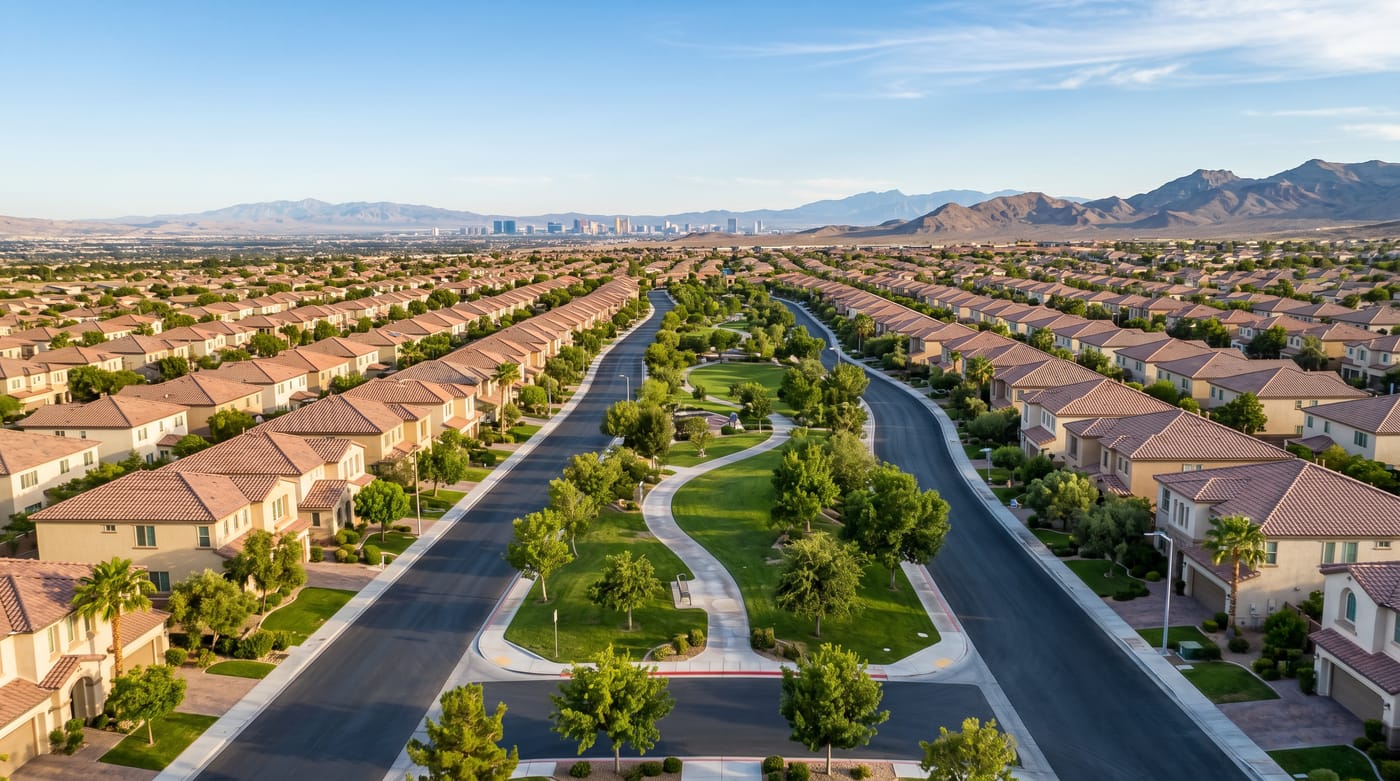
Privacy is the benefit buyers underrate until they live it. A gate filters foot and vehicle traffic to residents and approved guests, which means no door-to-door solicitation, no through-traffic shortcutting your street, and no strangers wandering the neighborhood. For families, that translates into quieter streets where kids can ride bikes; for high-profile owners, it means a verification layer between the public and their front door.
The trade-offs are real and worth naming. Deliveries can be slower or require a code you would rather not share with every driver. Guests need to be added to an approved list or buzzed in, which adds friction to spontaneous visits. Service providers — landscapers, pool techs, contractors — need vetted access, and some communities limit service hours. Ride-share and food delivery can stall at an unmanned call box that does not recognize the driver.
At a manned gatehouse these frictions largely disappear because a human can use judgment — waving in a known landscaper, calling you about an unexpected guest, holding a package. That convenience is part of what the higher dues buy. In my experience walking buyers through 55-plus communities and family-oriented enclaves alike, the privacy-and-quiet benefit is consistently the feature owners say they would not give up, even more than the security itself.
How Does Gating Affect Resale Value?
Here is the data that reframes the HOA conversation. A gate is partly a cost and partly an asset that the resale market pays you back for. Across the valley, gated and guard-gated addresses sell at measurable premiums over comparable non-gated homes, and they often sell faster because the buyer pool that wants privacy and security self-selects into those searches.
According to Las Vegas REALTORS MLS data, guard-gated homes in established communities like those covered in our affordable guard-gated communities guide command 8 to 15 percent premiums over equivalent non-gated product, while plain gated homes carry a more modest 3 to 7 percent lift. The premium is not free money — you funded it through years of higher dues — but it does mean the gate is not a sunk cost. It is closer to a forced savings account that the next buyer reimburses.
The premium also compresses days on market. The same security-and-privacy buyers who pay the premium are motivated and pre-qualified, so guard-gated listings in the $700,000 to $2 million band frequently sell in fewer days than non-gated comparables. The catch: at the very top, a $900-per-month HOA can narrow the buyer pool, so ultra-high dues can cut both ways. The sweet spot for resale leverage is a manned gate with sane dues, not the most expensive option available.
Resale and Insurance Impact by Gate Type
| Factor | Non-gated | Gated (unmanned) | Guard-gated / 24/7 |
|---|---|---|---|
| Resale price premium | Baseline | Plus 3 to 7 percent | Plus 8 to 20 percent |
| Days on market vs comps | Baseline | Slightly faster | Often faster |
| Buyer pool | Broadest | Privacy-seekers | Security and privacy buyers |
| Homeowner insurance effect | Baseline | Small credit possible | Modest credit possible |
| HOA dues drag on pool | None | Low | Can narrow pool at top end |
Source: Las Vegas REALTORS MLS Q2 2026 sold data and Nevada Real Estate Group listing-side analysis.
Do Gated Communities Lower Your Insurance?
Modestly, and not automatically. Some homeowner insurance carriers offer a small premium credit for homes in gated or guard-gated communities because controlled access correlates with lower theft and vandalism claims. The credit is typically in the low single digits as a percentage of premium — meaningful over time but rarely a decision-driver on its own.
The bigger insurance story in Nevada is who regulates the carriers and what they actually file. According to the Nevada Division of Insurance, insurers must file their rating factors with the state, and gated-access discounts, where offered, are part of those filings — so the credit varies carrier to carrier rather than being a universal rule. When I have buyers comparing a gated and a non-gated home at the same price, I tell them to get an actual quote on both addresses rather than assuming the gate pays for itself in premium savings. It usually does not, but the controlled access plus a monitored alarm and cameras can stack into a more noticeable combined discount.
One more wrinkle: behind a gate, the community often carries master insurance for common elements — gatehouse, private roads, amenities — funded through your dues. That coverage protects shared assets, not your home's interior, so you still need a full homeowner policy. Reading the HOA's certificate of insurance is part of the same due-diligence packet as the reserve study.

What Should You Ask Before Buying Behind a Gate?
This is the checklist I run with every client before they write an offer in a gated or guard-gated community. The answers separate a well-run community from one that will surprise you with a special assessment.
Is the gate manned, and during what hours? A community marketed as "guard-gated" may staff the gate only at peak hours and run unmanned overnight. Confirm the actual schedule.
What is the gate-and-security line in the HOA budget? Ask for the line item, not the total. You want to see exactly what staffing, patrol, and gate maintenance cost per household.
Is there a current reserve study, and is the gate hardware funded? Gate motors, arms, and access systems are capital items. According to Nevada Revised Statutes Chapter 116, the HOA must keep reserves; a thin reserve on aging hardware signals a future special assessment.
Who maintains the streets — the HOA or the county? Private streets behind a gate are the community's responsibility forever. Repaving is a six-figure event that lands on residents.
What is the visitor and access-log policy? A manned gate that logs and photographs entries offers a real audit trail. A shared keypad code does not.
What is the special-assessment history? Three to five years of history tells you whether the budget is realistic or whether owners keep getting surprise bills.
What are the rental and short-term-rental rules? Some gated communities restrict rentals, which affects both your flexibility and the neighbor mix.
Run those seven questions and you will know more about the community's real condition than 90 percent of buyers who fall in love with the gate and skip the budget.
Where Do Las Vegas Gated and Guard-Gated Communities Cluster?
The valley's gated inventory is not evenly distributed — it concentrates in a few predictable zones, and knowing the map helps you target your search. Rather than re-rank them here, I will orient you to the clusters and point to the deeper guides.
The western arc — Summerlin and the foothills below Red Rock Canyon — holds the densest concentration of guard-gated and 24/7 staffed enclaves, including the trophy tier detailed in our Las Vegas guard-gated luxury tier ranking. This is where private streets, manned gatehouses, and patrol are most common, and where dues run highest.
The southeast — Henderson, including the country-club communities and the hillside enclaves — offers a broad spread from approachable gated subdivisions to staffed luxury compounds. Henderson is often where buyers find a manned gate at a more reasonable entry price than equivalent Summerlin product.
The southwest valley and the southern corridor hold a large supply of newer gated subdivisions, many unmanned, that deliver privacy and quiet without luxury-tier dues. And the golf communities and 55-plus communities scattered across both ends of the valley frequently pair gating with amenities, which is part of why their dues sit higher.
For the full inventory and rankings, our guard-gated communities hub and luxury communities hub map every option across Las Vegas, so you can match the gate tier to your budget and lifestyle before you ever tour.
What Do These Distinctions Mean for Your Search?
The takeaway is simple: decide what you are actually buying. If you want quiet streets and basic deterrence at the lowest cost, an unmanned gated subdivision delivers most of the lifestyle benefit for $40 to $120 a month over a non-gated home. If you want verified visitor screening, a real audit trail, and the strongest resale premium, a manned guard gate justifies its $150 to $450 monthly cost and pays a chunk of it back at resale. If you want the full security envelope — patrol, 24/7 staffing, private streets — the top tier exists, but go in clear-eyed about $600 to $1,400 monthly dues.
My team at Nevada Real Estate Group — the #1 real estate team in Nevada, with $4.85B+ in volume, 9,600+ closed transactions, 150+ agents, and 9,061+ verified five-star reviews over 16+ years — walks buyers through this exact trade-off every week. The right answer is the gate tier that matches how you actually live and what your monthly budget can carry without strain. Call (702) 637-1759 and we will pull the HOA budgets, reserve studies, and resale comps on any community you are considering before you tour.
Frequently Asked Questions
What is the difference between a gated and a guard-gated community?
A gated community controls access with an unmanned mechanism — a keypad, transponder reader, or call box that dials the resident. A guard-gated community staffs a physical gatehouse with a person who verifies and logs visitors. The human presence is the dividing line, and it drives a large difference in both monthly HOA cost and the deterrence value of the entry.
How much more do guard-gated communities cost in HOA dues?
In Las Vegas, an unmanned gate typically adds $40 to $120 per month over a non-gated home, a peak-hours manned gate adds $150 to $350, and a full 24/7 staffed operation with patrol can add $400 to $900 or more. Total dues at the top tier — once private streets and amenities are included — frequently run $600 to $1,400 per month.
Do gated communities actually reduce crime?
A gate is a deterrent, not a guarantee. It raises the effort and visibility required for opportunistic property crime, and manned gates with roving patrol deter more than unmanned keypads because of visible human presence. According to FBI Uniform Crime Reporting data, property crime concentrates where access is easy and observation is low, which is what a gate and patrol disrupt. A gate does not replace an alarm, cameras, and basic security habits.
Do gated communities lower homeowner insurance?
Sometimes, modestly. Some carriers offer a small premium credit for controlled-access communities because they correlate with fewer theft and vandalism claims, but the credit is usually low single digits and varies by carrier under their Nevada Division of Insurance rate filings. Get an actual quote on the specific address rather than assuming the gate pays for itself.
Are guard-gated homes worth more at resale?
Generally yes. Guard-gated homes in established Las Vegas communities command 8 to 15 percent resale premiums over comparable non-gated homes, while plain gated homes carry a 3 to 7 percent lift. The premium reflects the years of higher dues you paid, so it is closer to a forced savings account the next buyer reimburses than free appreciation. Extremely high dues can narrow the buyer pool at the very top.
What should I ask before buying in a gated community?
Confirm whether the gate is actually manned and during what hours, request the gate-and-security line in the HOA budget, read the current reserve study to verify the gate hardware is funded, find out whether the streets are private or county-maintained, review the special-assessment history, and check the rental rules. Nevada Revised Statutes Chapter 116 requires the association to maintain reserves, so a thin reserve on aging hardware is a warning sign. Call (702) 637-1759 and we will pull these documents for you.
Where are the best gated communities in Las Vegas?
The densest guard-gated and 24/7 staffed clusters sit in western Las Vegas and Summerlin below Red Rock Canyon, with a broad spread of manned and unmanned options across Henderson, including its country-club enclaves. The southwest valley holds many newer unmanned gated subdivisions at lower dues. Browse the guard-gated communities hub and luxury communities hub to match the gate tier to your budget.
Nevada Real Estate Group provides buyer and seller representation across all Las Vegas Valley gated and guard-gated communities. All cost ranges reflect Q2 2026 market data and HOA disclosures and are subject to change. This guide is for informational purposes and does not constitute legal, tax, financial, or insurance advice.
About the Author: Chris Nevada leads Nevada Real Estate Group, the #1 real estate team in Nevada with 150+ licensed agents, $4.85B+ in total sales volume, 9,600+ closed transactions, and 9,061+ verified five-star reviews over 16+ years. Licensed in Nevada (S.181401), Chris guides buyers through the HOA budgets, reserve studies, and resale comps behind every gate in the valley. For help matching the right gate tier to your budget, call (702) 637-1759 or email info@nevadagroup.com.
Nevada Real Estate Group · 8945 W Russell Rd, Suite 170 · Las Vegas, NV 89148 · (702) 637-1759
Which Sources Inform This Gated Community Guide?
According to Las Vegas REALTORS, the resale premiums, days-on-market figures, and HOA disclosure ranges in this guide come from Greater Las Vegas Realtors MLS statistics and member market intelligence through Q2 2026, cross-checked against Nevada Real Estate Group closing data across gated and guard-gated communities.
Legal and regulatory framework references Nevada Revised Statutes Chapter 116 on common-interest communities and HOA reserve obligations, the Nevada Division of Insurance on carrier rate filings and gated-access credits, and the Nevada Real Estate Division for licensing and brokerage verification. Property and parcel data reference the Clark County Assessor and broader Clark County private-street and permitting frameworks.
Labor and crime context references the Bureau of Labor Statistics occupational wage data for Las Vegas security officers, the Federal Bureau of Investigation Uniform Crime Reporting program, the U.S. Census Bureau American Community Survey for valley housing and demographic context, the Nevada Department of Taxation for property-tax framework, and GreatSchools for community school ratings.
If you would like to walk through how any of this applies to a specific community, call (702) 637-1759 or browse the team's about page. Final guidance on any active buy or sell decision should come from a licensed Realtor working with your lender and insurance agent.