

Published July 5, 2026 · By Chris Nevada, Nevada Real Estate Group · NV License S.181401
Every transplant's first Las Vegas summer follows the same arc: May's confidence ("we knew it would be hot"), June's respect, July's education, and — for the prepared — September's smug mastery. The difference between education and disaster is a systems checklist, because a desert summer isn't weather you endure; it's an operating environment your house was engineered for, with rules nobody hands you at closing. Across our 789 closings in 2025, a huge share of buyers were first-summer households, and this is the playbook we now hand every one of them — the merged wisdom of HVAC techs, pool guys, insurance adjusters, and ten thousand July phone calls.
For the broader move-in sequence around these seasonal tasks, follow the first 90 days of Las Vegas home maintenance. For an outdoor-living project after move-in, our guide to planning a backyard barbecue area provides a starting point; confirm current fire, permit and HOA requirements before building.
Win the desert summer in May: service the HVAC before the rush ($150-$300), set the thermostat strategy (78 home, 82-85 away — never off), match your irrigation timer to SNWA's mandatory summer watering schedule, walk the roof and grading before monsoon season, and get the pool service rhythm locked. Budget $250-$450 summer power months, respect flash floods absolutely, and empty the garage of anything that melts. October is the reward.
- May HVAC service ($150-$300) beats the July failure lottery — and July replacement queues run days at $9,500-$14,500.
- Thermostat truth: 78 when home, 82-85 away, never off — recovery from a hot-soaked house costs more than steady state.
- SNWA assigns mandatory watering days seasonally — set the timer in week one; violations carry fines.
- Monsoon season (roughly July-September) brings flash floods, microbursts, and the roof leaks you prevented in June.
- Summer power runs $250-$450 monthly on typical homes — budget annually and the number stops hurting.
Why Is May the Month That Decides Your Whole Summer?
Because every summer system has a pre-season, and they all close in May. The HVAC service call is the anchor: a $150-$300 spring tune-up — refrigerant check, coil cleaning, capacitor testing — catches the $30 parts that kill $3,000 compressors under load, and it happens while techs still have same-week availability. Book the same service in mid-July, after the first 112-degree week starts the failure lottery across two million households, and you'll meet the triage queue: days without AC in a house that cannot safely be occupied without it. The valley's HVAC fleet ages in dog years — 10-to-14-year lifespans against 15-to-20 nationally — and our home warranty analysis runs the coverage math for systems entering the danger zone; either way, the May service is the cheapest insurance in this entire guide.
The rest of the May list: filters stocked (monthly changes June-September in our dust — a $12 filter protecting a $12,000 system is the best ratio in homeownership); shade audit — sun screens on west-facing glass ($8-$15 per square foot installed) and blackout capability in west bedrooms pay for themselves in one season; weather-stripping walked — the $20 of seals that keep the expensive air inside; ceiling fans reversed to push air down; and the garage evacuation — everything heat-sensitive (electronics, candles, paint, batteries, that case of soda) comes inside, because a Las Vegas garage runs 120-140 degrees all summer and takes no prisoners. In my experience, the households that run this list in the first week of May spend roughly $500 and sail; the ones who skip it fund the July economy.
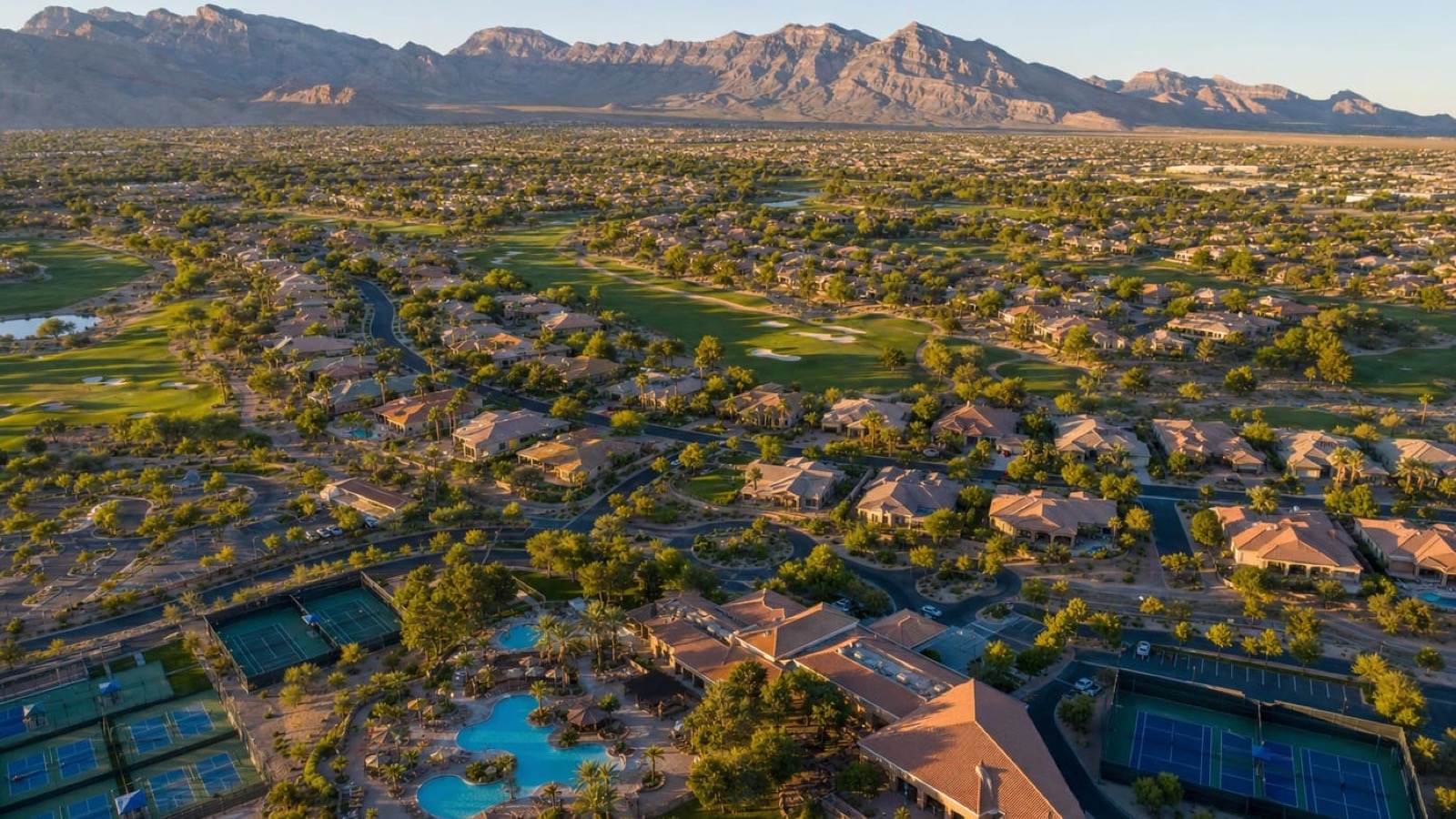
What Is the Actual Thermostat Strategy — and What Does Power Cost?
The eternal transplant debate, settled by physics and the utility bill. Steady beats swing: set 76-78 when home, 82-85 when away, and never off — a house that heat-soaks to 95 degrees all afternoon forces the system into hours of maximum-load recovery that costs more than the steady state would have, while cooking everything the drywall touches. Pre-cool against the peak: run the house colder in late morning, then let it drift through the expensive late-afternoon hours — the strategy NV Energy's time-of-use plans literally pay you to adopt, and a smart thermostat automates. Nighttime is your ally: desert lows drop 25-30 degrees below the daily high; late-evening and dawn are when the system catches up cheaply.
The bill reality, so nothing surprises you: a typical single-family home runs $250-$450 per month in June through September, against $80-$120 shoulder months — larger or older homes push $500-plus in the brutal stretches. Three sanity tools: budget the annual power number, not the monthly one; consider the utility's equal-payment plan, which flattens the seasonal theater into one predictable figure; and if the bill runs far above these bands, treat it as a diagnostic — failing insulation, duct leaks, or a dying compressor announce themselves on the bill months before they announce themselves in the hallway. New-build owners get a structural head start here; the 2020s envelope standards in the valley's new-build homes in Las Vegas routinely run 20-30% cheaper to cool than 1990s stock at the same square footage — a real line item in the new-versus-resale decision nobody prices until their first July.
What Does Monsoon Season Actually Do — and How Do You Prepare?
From roughly July through September, the desert's moisture switch flips: afternoon humidity builds, thunderheads stack over the mountains, and the valley gets its rain in violent, localized bursts — microbursts with 60-mph outflows, sideways rain, and flash flooding that turns dry washes into rivers in minutes. According to National Weather Service monsoon climatology, the pattern is an annual certainty even when individual storms aren't, and it drives the two prep lists that matter.
The house list, due in June: walk the roof (or pay a roofer $150-$300 to) for cracked tiles, lifted underlayment edges, and — the big one — sealed penetrations, because the vents and flashings that shrugged off ten months of drought are exactly where sideways monsoon rain enters; check that grading and drainage still slope away from the foundation, since desert landscaping projects have a way of quietly reversing them; clean the gutters and scuppers that haven't worked since March; secure or plan to stow the patio furniture that becomes projectiles in outflow winds; and photograph everything for the insurance file you hope never to open. The flood-awareness list, due immediately: know whether your home touches a FEMA flood zone — according to FEMA flood-mapping data, standard homeowner policies exclude flood, and homes near the valley's washes carry real exposure that a $400-$800 annual policy covers; learn the flooding streets on your commute (every neighborhood has them; neighbors will tell you gleefully); and internalize the only monsoon rule with a body count — never drive into running water, ever, no matter how shallow it looks, because the valley's flood-control network is engineering marvel and still loses arguments with physics every single summer.
The reassuring truth under the drama: monsoon damage clusters overwhelmingly at homes that skipped the June list. Sealed, graded, and gutter-cleaned houses mostly just get a light show.
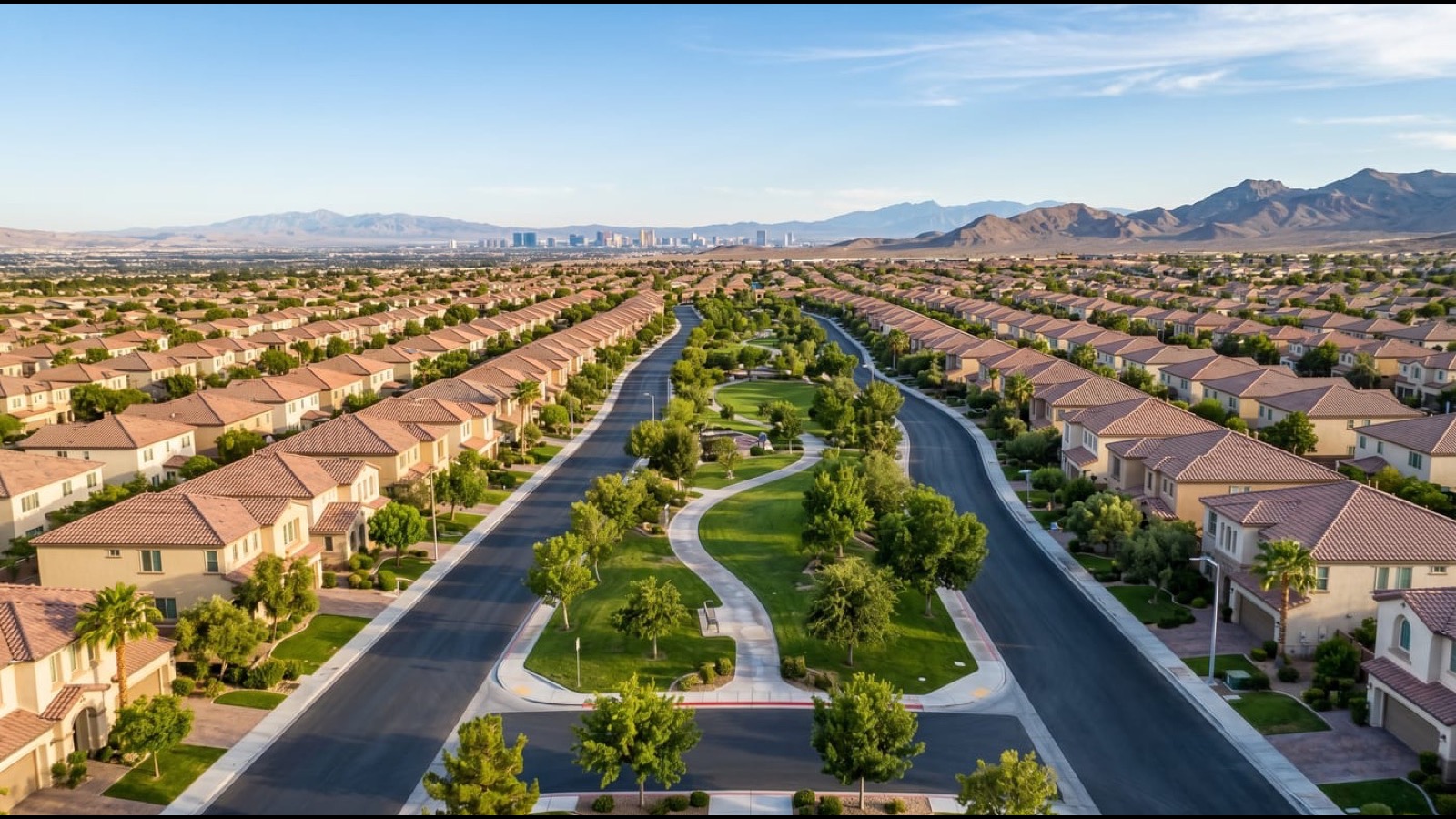
How Do the Watering Rules and Desert Landscaping Actually Work?
The Southern Nevada Water Authority runs the valley's outdoor water like the shared resource it is, and your first-summer job is joining the system rather than fighting it. According to Southern Nevada Water Authority conservation rules, every address has a mandatory assigned watering schedule that changes by season — more days in summer, one day a week in winter, with Sunday watering prohibited year-round — and violations carry escalating fines that the water waste patrols genuinely issue. Week-one homework: find your assigned group on SNWA's site, program the irrigation timer to match, and set watering for pre-dawn hours, when evaporation loss is lowest and the plants actually receive what you pay for.
The deeper play is conversion economics. SNWA's turf-rebate program pays homeowners up to $5 per square foot to replace grass with desert landscaping — among the most generous programs in the country — and a converted yard cuts outdoor water use dramatically while deleting the mowing chore that July renders heroic. Modern desert-scape done well (decomposed granite, structured shade trees, sculptural agaves, drip-irrigated color) is genuinely beautiful, photographs magnificently at listing time, and — per the presentation math our listing team runs weekly — dead or dying turf is one of the most expensive curb-appeal failures a future seller can present. Two summer plant-care truths that save transplants a season of grief: even desert plants need deep, infrequent water rather than daily sprinkles (shallow daily watering grows shallow roots that cook), and new plantings go in October through March, never June — summer is for keeping things alive, not starting them.
What Does Pool Ownership Really Cost and Require in Summer?
The pool is the reason half of you moved here, and summer is its championship season — with a real operating budget. The chemistry load: 100-plus-degree water eats sanitizer, so summer chemical costs run $80-$150 monthly (against $30-$50 in winter), and the water needs testing twice weekly whether by you or a service; a green pool develops in days at these temperatures and takes weeks and hundreds of dollars to fully recover. The service decision: weekly professional service runs $120-$200 monthly and earns its keep for most first-year owners — the failure mode it prevents (chemistry drift into algae into filter strain into equipment failure) costs multiples of the annual fee. The evaporation truth: the desert pulls roughly a quarter-inch or more of water off your pool daily in high summer — thousands of gallons a month — so the auto-fill needs to work, and a suddenly climbing water bill is the classic first sign of a leak versus normal evaporation (the bucket test on the steps settles it in 24 hours). The equipment clock: pumps and motors running daily eight months a year fail on their own schedule — $700-$1,800 per event — which is exactly the line item that makes pool coverage riders ($150-$250 a year) one of the more defensible warranty add-ons in this market.
And the safety line that outranks everything: if your household includes small children, the barrier conversation — fencing, alarms, locked access — happens before the first swim, full stop. Our pool homes guide covers the full ownership math, from purchase premium through the eventual resurfacing; the summer version is simpler: keep the chemistry tight, the auto-fill honest, and the gate latched.
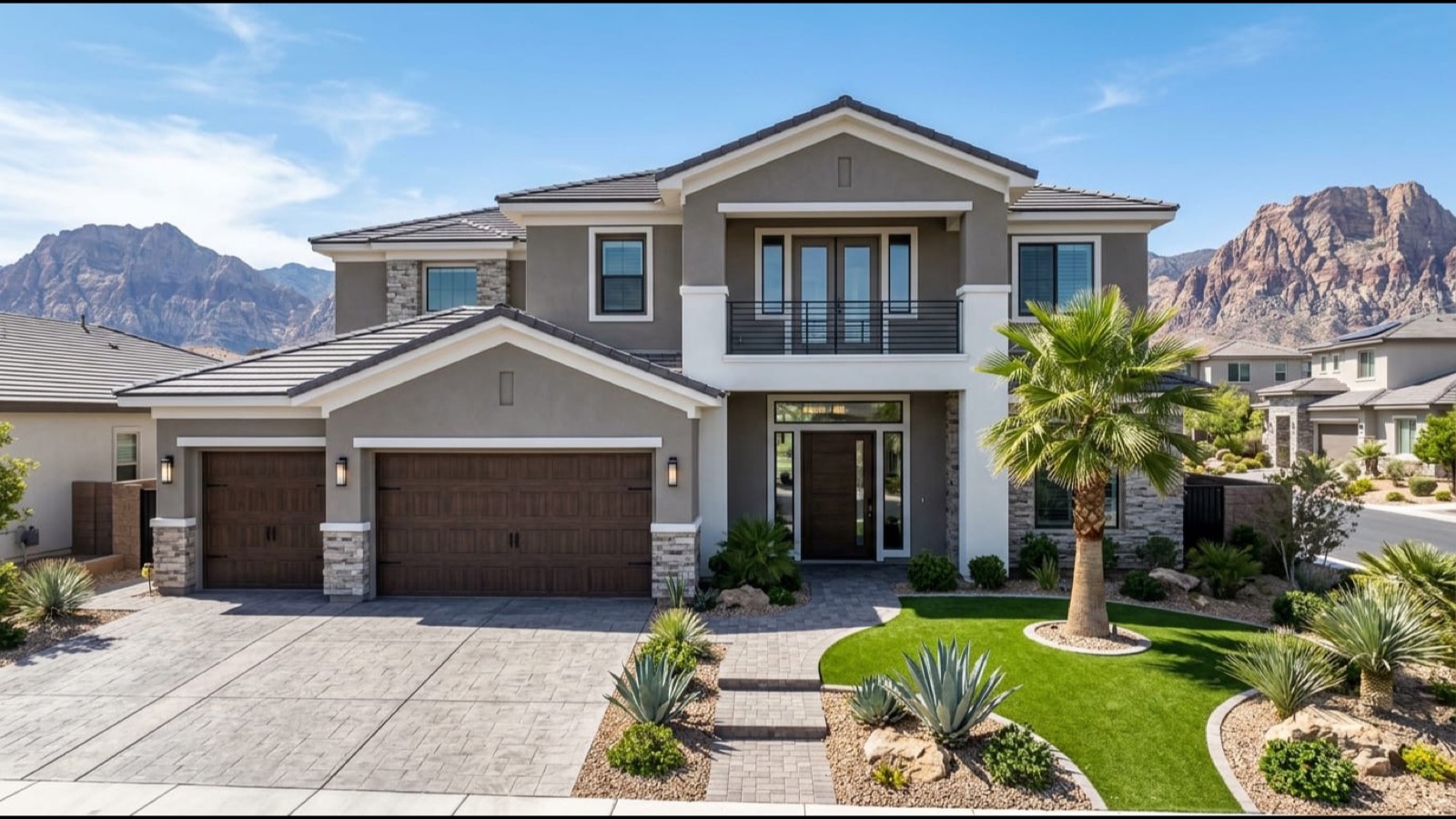
Which Desert Guests Show Up in Summer — and How Do You Manage Them?
The honest pest report, ranked by how much attention each deserves. Scorpions lead the anxiety list and the manageable list simultaneously: they follow their food (crickets and roaches) into gaps in your building envelope, so the defense is exclusion — seal foundation cracks and weep-screed gaps, weather-strip door bottoms, clear ground clutter near walls — plus a $50 UV flashlight for the summer-evening perimeter walk that tells you whether you have visitors or residents. Established neighborhoods near washes and new construction near disturbed desert see the most pressure; a quarterly pest service ($40-$80 monthly equivalent) plus sealing handles the overwhelming majority of cases. Pigeons are the underrated adversary: they colonize tile-roof gaps and solar-panel undersides, and their mess is corrosive to roofs and miserable to remediate — $300-$800 of exclusion mesh at the first sign beats the $1,500-plus cleanup after a season of squatting. Roaches and crickets ride the summer moisture into garages and around irrigation — the pest service's actual main job. And the ants, wasps, and occasional rattlesnake at the desert's edge round out the cast — the last one relevant mainly to homes backing open desert in the valley's newest rings, where the rule is simple: don't reach where you can't see, and call the professionals who relocate them.
The frame that keeps this section from reading scary: every desert city runs this same roster, the management stack is cheap and routine ($500-$1,000 a year all-in with service), and the households that seal in May meet dramatically fewer guests than the ones that start Googling in August.
What Does the Whole Summer Cost — and What's the Reward?
The consolidated first-summer budget, so nothing ambushes you:
| Line | Season Total (Jun-Sep) | Notes |
|---|---|---|
| Power premium over shoulder months | $600-$1,300 | $250-$450/mo summer vs. $80-$120 shoulder |
| HVAC service + filters | $200-$400 | May tune-up + monthly filters |
| Pool operation (if applicable) | $800-$1,400 | Chemistry or service + water + electricity share |
| Irrigation water premium | $150-$400 | Summer schedule on a typical yard |
| Pest management | $150-$300 | Quarterly service + sealing supplies |
| Monsoon prep | $150-$500 | Roof walk, sealing, gutter work |
| All-in first-summer premium | About $2,000-$4,300 | Front-loaded; year two runs cheaper |
Two honest notes on the table. The premium is front-loaded: year one includes the one-time sealing, screens, and learning curve; the second summer runs meaningfully cheaper on the same house. And the budget buys membership in the trade every Las Vegas homeowner eventually recognizes: According to U.S. Census Bureau migration data, tens of thousands of households make this exact adjustment every year — and overwhelmingly stay — because the other side of the ledger is eight months of the best homeowner weather in America. October through May is patio season, hiking season, and the stretch where your friends back home shovel snow while you explain, insufferably, that it was 72 and sunny again. According to Las Vegas REALTORS data, the market's seasonal rhythms bend around that calendar too — which is why our move-in playbook urges flexible movers toward fall, and why every first-summer survivor becomes a fall evangelist.

What Does the Desert Calendar Look Like Month by Month?
The whole guide, compressed into the calendar you'll actually live:
| Month | The Mission | The Money |
|---|---|---|
| May | HVAC service, shade screens, garage evacuation, timer to summer schedule | $300-$700 of prevention |
| June | Monsoon prep: roof walk, sealing, grading, gutters; pool rhythm locked | $150-$500 |
| July | Operate the system: filters, chemistry, pre-cooling; respect the storms | Peak bills — $350-$450 power |
| August | Hold the line; watch for HVAC strain signals; storm cleanup as needed | Second peak month |
| September | The exhale: monsoon tapers, bills fall, first patio evenings return | $200-$300 power |
| October | Victory lap: fall HVAC service, timer to fall schedule, plant everything | $150-$300 — and patio season opens |
The companion card — what each system costs to run versus what it costs to ignore:
| System | Cost to Operate Right | Cost of Ignoring It |
|---|---|---|
| HVAC | $150-$300 service + $12/mo filters | $2,200-$4,500 repairs; $9,500-$14,500 replacement |
| Roof/monsoon prep | $150-$500 June checkup | $3,000-$15,000 leak and interior damage |
| Pool | $80-$200/mo chemistry or service | $400-$900 green recovery; $700-$1,800 equipment |
| Irrigation/landscape | Timer compliance + deep watering | Fines + $800-$2,500 replanting |
| Pests | $40-$80/mo service + sealing | $300-$1,500 remediation later |
According to National Weather Service climate records, the valley's hottest stretch reliably lands mid-June through August — every row above is priced against that certainty, not against bad luck.
Pin the table to the refrigerator and the desert stops being weather and becomes a rotation — the same six-line rhythm every experienced valley homeowner runs on autopilot by year three. The October row is the one transplants underestimate twice: first by not knowing fall planting season exists, then by discovering that the six months that follow it are the entire reason everyone else already lives here.
How Should Buyers Shop Differently Because of Summer?
Flip this whole guide around and it becomes a due-diligence checklist — the summer lens we apply on every valley showing. Interrogate the HVAC like it's the roof: age, service records, and per-unit replacement exposure ($9,500-$14,500) belong in your offer math, and a 12-year-old system in North Las Vegas's FHA band is a credit conversation waiting to happen. Read the orientation: west-facing glass walls are a beautiful liability — afternoon heat gain that shade screens tame but never delete — while smart lot orientation and mature shade are invisible discounts on every future power bill. Price the envelope era: 2020s construction cools dramatically cheaper than 1990s stock, a spread the listing price rarely captures. Check the summer systems in summer terms: pool equipment age, irrigation coverage, garage insulation if anyone plans to actually use it, and the drainage grading that monsoon season will audit for you. And tour strategically: an afternoon July showing tells you more about a house's real performance than any disclosure — the home that's comfortable at 4 p.m. in July has nothing to hide, and the one that isn't just negotiated against itself.
That lens is baked into how we write offers between May and September — seasonal due diligence is a genuine negotiation edge in a market where most buyers tour with their eyes and not the thermometer. Bring the advanced search shortlist and we'll bring the infrared attitude.
Frequently Asked Questions
What should new Las Vegas homeowners do before their first summer?
Run the May list: HVAC tune-up ($150-$300) before the service rush, filters stocked for monthly changes, sun screens on west glass, weather-stripping checked, irrigation timer matched to SNWA's schedule, roof and drainage walked before monsoon season, and the garage emptied of anything heat-sensitive. About $500 and a weekend — it decides the whole summer.
What temperature should I set my thermostat in Las Vegas summer?
76-78 degrees when home, 82-85 when away, and never off: recovering a heat-soaked house costs more than maintaining steady state. Pre-cool in late morning and let the house drift through peak-rate afternoon hours — the pattern smart thermostats automate and time-of-use plans reward. Nighttime desert cooling is when the system catches up cheaply.
How much are summer electric bills in Las Vegas?
Typically $250-$450 monthly June through September for a single-family home, against $80-$120 shoulder months — larger or older homes can pass $500. Budget the annual number or use an equal-payment plan, and treat a bill far outside these bands as a diagnostic: insulation, duct, and compressor problems appear on the bill first.
What is monsoon season in Las Vegas and should I worry?
Roughly July through September: humidity builds and the valley's rain arrives in violent afternoon bursts — microburst winds, sideways rain, and flash floods in the washes. Prepared homes (sealed roof penetrations, correct grading, clean gutters, stowed patio projectiles) mostly enjoy the show. The absolute rule: never drive into running water, ever.
What are the watering restrictions for Las Vegas homeowners?
SNWA assigns every address mandatory watering days that change seasonally, with Sunday watering banned year-round and fines for violations. Set your timer to your assigned group in week one, water pre-dawn, and look at the turf-rebate program — up to $5 per square foot toward desert conversion — while you're on the site.
How much does a pool cost to run in a Las Vegas summer?
Plan on $80-$150 monthly in chemicals (or $120-$200 for full weekly service), meaningful evaporation refill — a quarter-inch-plus daily in high summer — and the electricity share of daily pump runtime. Watch the equipment clock too: pumps and motors fail at $700-$1,800 an event, which is what makes pool riders on home warranties defensible here.
Are scorpions really a problem in Las Vegas homes?
Manageable more than mythical: they follow crickets and roaches through gaps in the building envelope, so sealing plus quarterly pest service handles most homes. Pressure is highest near washes and fresh desert disturbance. The $50 UV flashlight perimeter walk on summer evenings tells you quickly whether you have visitors or residents — most homes have neither.
Does the summer heat damage homes in Las Vegas?
It stresses specific systems on a schedule: HVAC fleets age fast (10-14 year lifespans), garages cook anything sensitive at 120-140 degrees, unshaded west glass fades floors and furniture, and unwatered landscaping dies in weeks. Homes run by the seasonal playbook — serviced, shaded, sealed, scheduled — shrug it off; the damage stories almost all start with a skipped May.
Ready to Buy With the Summer Lens Built In?
Every showing we run from May to September carries this guide's checklist — HVAC age, orientation, envelope era, drainage, and the 4-p.m.-in-July test — because desert due diligence is negotiation leverage most buyers never use. Start the shortlist on the advanced search, talk strategy with the buyer team, or call (702) 637-1759; and if you closed recently, ask us for the May checklist as a one-pager — it's yours. Email info@nevadagroup.com anytime.
Nevada Real Estate Group · 8945 W Russell Rd, Suite 170 · Las Vegas, NV 89148 · (702) 637-1759 · NV License S.181401
Which Sources Inform This Desert Summer Guide?
Monsoon and heat climatology reference National Weather Service resources, flood-zone and coverage context FEMA flood-mapping programs, and watering schedules and turf rebates the Southern Nevada Water Authority. Migration and retention context reference U.S. Census Bureau data, with market seasonality from Las Vegas REALTORS statistics.
Cost ranges — HVAC service and replacement, pool operation, pest management, power bills — reflect current Nevada Real Estate Group client files and vendor bids across 9,600+ closings' worth of valley homeownership. Companion playbooks: the move-in playbook for landing week, the home warranty analysis for aging-system coverage math, and the pool homes guide for the full backyard ledger. The desert is a system — learn it once, enjoy it for decades.