

Every seller disclosure article written about Nevada real estate is really an article about Las Vegas. That is not a complaint about the writers; it is arithmetic. Clark County holds the large majority of Nevadans, so the statewide form, the training and the checklists all got built around a valley-floor production home on municipal water, municipal sewer, a public street and a flat composition roof that will never carry a pound of snow.
Then you list a house on four acres in Palomino Valley with a domestic well, a leach field, a propane tank, a gravel road shared with five neighbors and a defensible-space obligation attached to the building permit, and you find the state's form has exactly one line where most of that belongs. I have watched northern escrows come apart in the final ten days over items nobody thought to write down, not because the seller was hiding anything, but because the form never asked.
Washoe County sellers complete the same Seller's Real Property Disclosure the whole state uses, served at least 10 days before conveyance under NRS 113.130. The difference is what fills it. Wells, septic records, water rights, defensible space, snow load and a 21.9% Washoe radon rate mostly land in the form's catch-all line, so northern sellers have to write in what the checkboxes never ask.
- Northern Nevada Public Health, not the state, issues Washoe domestic well and septic permits and holds the records.
- Washoe will not permit a deeper well where municipal water is already available to the property.
- Form 547 has no wildfire, snow load or water rights checkbox, so they go in the catch-all.
- Washoe radon runs 21.9% at or above 4 pCi/L against 11.1% in Clark County, per UNR Extension.
- AB 376 let Nevada insurers exclude the wildfire peril entirely starting January 1, 2026.
What Does Nevada's Seller Disclosure Law Require of Every Washoe County Seller?
The baseline is genuinely statewide, and it is worth stating plainly before we get to what changes. Under NRS 113.130, a seller of residential property must complete a disclosure form and serve it on the buyer at least 10 days before the property conveys. Conveyance means the close of escrow, or delivery of the deed where no escrow was opened. The form is the Nevada Real Estate Division's Seller's Real Property Disclosure, Form 547, currently in its June 1, 2023 revision. According to the Nevada Real Estate Division, the form carries an instruction most sellers skim past: a seller's agent may not complete it on the seller's behalf, and a buyer may not waive it.
The standard the form measures against is set in NRS 113.100, which defines a defect as a condition that materially affects the value or use of residential property in an adverse manner. That phrase does a great deal of work in the Truckee Meadows, because it is written around consequence rather than any list of named items. If a condition materially and adversely affects value or use and you know about it, it is disclosable whether or not the form has a box.
The consequence of getting this wrong is not a slap on the wrist. NRS 113.150 lets a buyer who closes on an undisclosed known defect recover treble the amount necessary to repair or replace the defective part of the property, plus court costs and reasonable attorney fees, with an action available for one year after discovery or two years after conveyance, whichever is later. On a $585,000 Reno home, the city's median sold price for the 12 months ending September 18, 2026, a $14,000 leach field failure the seller knew about and left blank becomes a $42,000 exposure before anyone bills an hour.
There is also a shield most sellers never use. NRS 113.150 subsection 5 bars recovery against a seller for an error caused by reliance on information from a state or local government officer acting in the ordinary course, or from a licensed contractor, engineer, land surveyor, certified inspector or pesticide applicator. Pulling the county's septic record, or paying an engineer for a percolation report, is not merely diligence in Washoe County. It moves risk off you and onto the document.
Why Does Form 547 Fit Las Vegas Better Than It Fits the Truckee Meadows?
Read Form 547 line by line with a northern parcel in front of you and the mismatch becomes obvious. The systems grid on page one does include "Septic tank and leach field," "Well and pump" and "Water treatment systems," so the plumbing of rural life is represented. Page two asks whether the property adjoins open range, sits in a designated flood plain, or has drainage, flooding, water seepage or high-water-table conditions. Item 13 asks the water source and, for a community well, the State Engineer permit number and whether it reads revocable, permanent or cancelled. Item 16 asks whether wastewater goes to municipal sewer or septic.
Now look at what is not there. No wildfire question. No defensible-space or wildland-urban interface question. No snow load or ice damming question, and nothing about how a roof has performed under load. No water rights question. No private road maintenance question beyond a general shared-features line. Item 14, the only conservation-easement question on the form, names the Southern Nevada Water Authority's Water Smart Landscape Program, a southern program a Reno seller checks not applicable. And the separate gaming enterprise district disclosure under NRS 113.080 applies only in counties of 700,000 or more, which means Clark and nowhere else.
So the northern seller's real work happens at item 11, the catch-all: any other conditions or aspects of the property which materially affect its value or use in an adverse manner. That single line, plus the explanation pages, is where a Washoe disclosure is actually written. It is also where treble-damages exposure concentrates, because a jury asked whether a $60,000 roof failure under snow load affected value has an easy answer, and the seller cannot defend by saying the form did not ask.
That is the thesis of everything below. In Las Vegas the disclosure is a checkbox exercise. In Reno, Sparks and unincorporated Washoe County it is a writing exercise, and the sellers who treat it that way close on time.
| Northern condition | Form 547 line that asks | What the seller has to supply |
|---|---|---|
| Domestic or community well | Item 13 water source; item 10 water quality or supply; systems grid | Well permit number and status, well log, pump history, any test result held |
| Septic and leach field | Item 16 wastewater disposal; systems grid; item 1(c) unpermitted work | County permit file, test trench report, repair and pumping history |
| Water rights | No line on the form; item 11 catch-all | Permit or certificate numbers and current State Engineer ownership record |
| Wildfire and defensible space | No line on the form; item 11 catch-all | Hazard designation, WUI maintenance distance, inspection and claim history |
| Snow load and ice damming | Item 3 roof; item 1(a) moisture and water damage | Re-roof permits, underlayment detail above 5,300 feet, repair invoices |
| Radon | Item 6(a) environmental hazards, radon named | Any test result and any mitigation system with its paperwork |
| Shared private road | Item 8 shared features including road and driveway | Recorded easement, maintenance arrangement, winter access reality |
| Propane tank | Item 6(a) fuel or chemical storage tanks | Owned or leased status, supplier contract, tank age and location |
How Do You Disclose a Domestic Well, and What If It Fails Mid-Escrow?
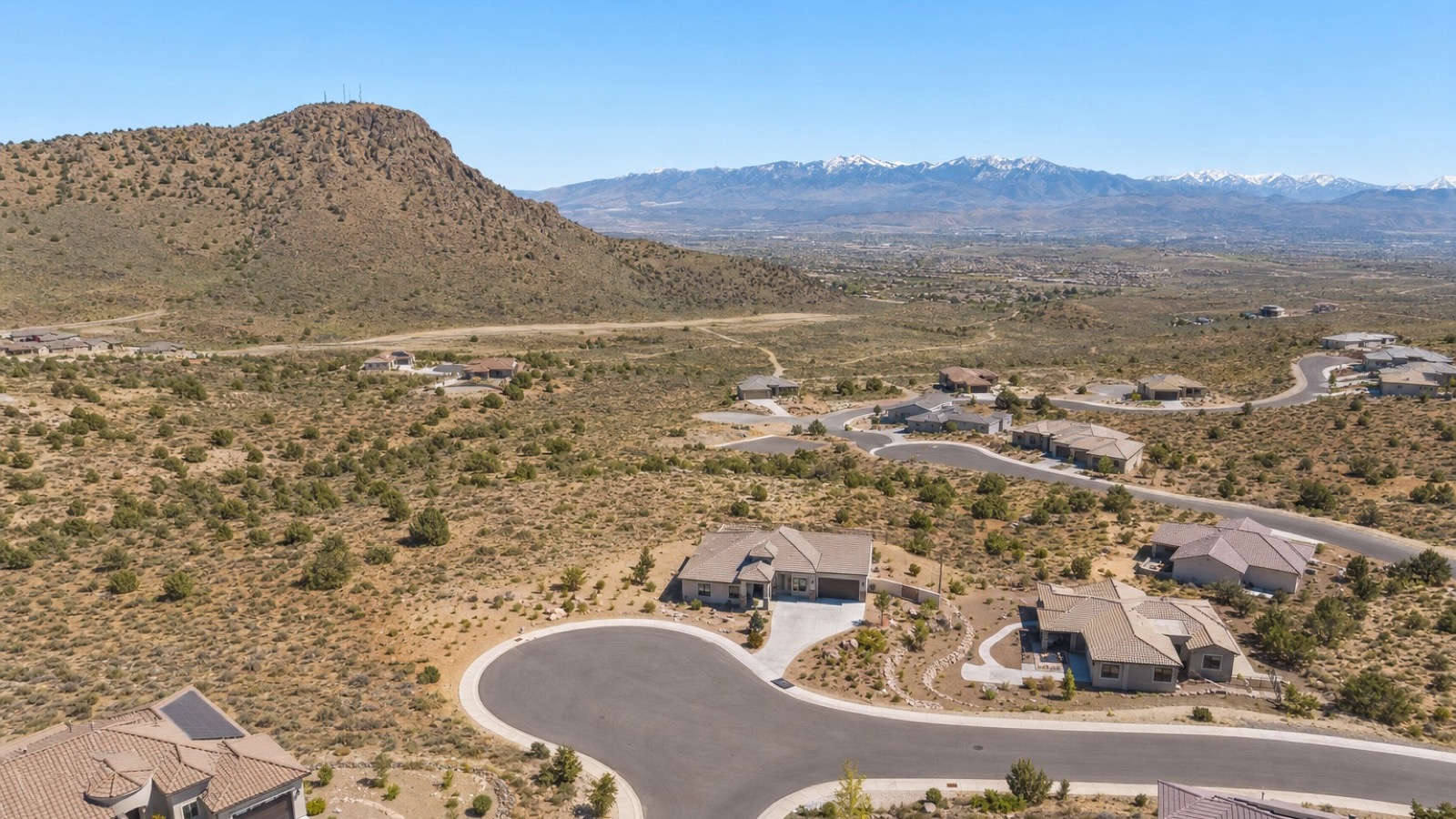
Start by getting the jurisdiction right, because almost everyone gets it wrong. According to Northern Nevada Public Health, a well construction permit to construct, drill, deepen, recondition or plug a well in Washoe County comes from Northern Nevada Public Health, not from the state. The Nevada Division of Water Resources licenses the driller and oversees agricultural, geothermal and irrigation wells, but the domestic well permit and the file are local. That file matters, and you can request it: Northern Nevada Public Health runs a septic and well records request for exactly this purpose, and the well log, the permit and the construction record are the documents a buyer's lender and a buyer's inspector both want.
Form 547 helps you here more than anywhere else on the northern side. Item 13 makes you state whether the water source is municipal, a community well, a domestic well or something else, and if it is a community well, it asks for the State Engineer well permit number and whether that permit reads revocable, permanent or cancelled. A cancelled permit disclosed in week one is solvable. The same permit discovered by a buyer's title officer in week four is a dead deal.
Then there is the gap nobody warns sellers about. According to Northern Nevada Public Health, its office does not oversee or regulate domestic well water quality in Washoe County, and it points owners to EPA and Nevada Division of Environmental Protection testing guidance instead. There is no county-mandated point-of-sale well water test; testing happens because the buyer's contract or lender asks for it. Your duty is unchanged by that. Item 10 asks about problems with water quality or water supply, and a dry-well summer, a hauled-water season, a high nitrate result or two pump replacements in five years are all material.
Now the single most consequential northern rule I know, and it is one line on a county web page: according to Northern Nevada Public Health, well deepening or replacement permits will not be issued if a municipal water system is available to the property. Read that again with a failing well in escrow. The instinctive fix, drill deeper, is off the table where Truckee Meadows Water Authority service reaches the parcel. The required fix is a municipal connection, which is a tap fee, a service line, a trench and often a road cut, on a utility's schedule rather than yours. Washoe County's Community Services Department runs a financing program specifically for that conversion, which tells you how large an event the county expects it to be.
So if your well is marginal and municipal service is available at your street, the honest disclosure is not "well, no known problems." It is the well's actual performance plus the fact that the replacement path for this parcel runs through a municipal connection, which is material to value and use under NRS 113.100. And if the well degrades after you serve the form but before conveyance, NRS 113.130 obliges you to tell the buyer in writing as soon as practicable, after which the buyer may rescind or close and accept the condition. If you already converted, say so and show the paperwork. In Cold Springs, Lemmon Valley and along the edges of Spanish Springs, a completed conversion is a real value story an appraiser can use, and sellers who leave it in a drawer get nothing for money they already spent.
What Does a Washoe County Septic System Add to Your Disclosure File?
The septic side of the file is deeper than the well side because the county keeps more of it. According to Northern Nevada Public Health, its Environmental Health Services division holds regulatory authority over residential on-site sewage disposal systems in Washoe County, and the governing rules are the Regulations of the Washoe County District Board of Health Governing Sewage, Wastewater and Sanitation, whose current version was approved and adopted on January 22, 2026. If you last looked at these rules when you bought the house, you are looking at a superseded document.
The permanent record is the asset. The county's process begins with a test trench inspection, where staff look for limiting layers, run a soil profile and determine whether percolation testing by a licensed engineer is required, and the resulting test trench report becomes part of the permanent record for the property. Pull that record. It tells a buyer what the soil actually does, what system type the site supports and what limitations staff noted, and it does it in the voice of a public agency rather than the voice of a motivated seller. Remember NRS 113.150 subsection 5: information from a government officer in the ordinary course of duty is the category the statute specifically shields you on.
There is no point-of-sale septic inspection requirement in Washoe County, and I want to be precise about that because plenty of states have one and buyers relocating from those states will ask. What Washoe does require is permits for replacements, abandonments and repairs, with a stated seven-day plan review turnaround, and a fourteen-day review for new systems. It also reviews building permits for additions, garages and barns on septic properties to confirm the existing system is not impacted and that sufficient space remains for a future replacement disposal field.
That last item is the disclosure trap. If a previous owner put a shop or a detached garage over the replacement field area without a permit, you have both an unpermitted-work disclosure under item 1(c) and a functional problem that will surface the first time the system needs a new leach field. Northern Nevada Public Health takes this seriously enough to run a continuing education course for agents, "Septics and Wells for Real Estate Professionals in Washoe County," approved by the Nevada Real Estate Division as course CE.7745000-RE. When a health district is training Realtors, the subject is not a footnote.
Do Water Rights Convey With a Northern Nevada Home?
Not automatically, and the confusion here is expensive. According to NRS 533.040, water used in Nevada for beneficial purposes is deemed to remain appurtenant to the place of use, but the same statute allows a right to be severed from its original place of use and transferred without losing priority. So a water right can ride with the land or it can have been sold off years ago while the ditch, the headgate and the irrigated pasture all stayed exactly where they are. The landscape tells you nothing about who owns the right.
For a seller, the duty is not to be a water lawyer. It is to be accurate about what you believe conveys and to stop guessing where you do not know. If your listing or purchase agreement says water rights convey, that is a representation, and on an irrigated parcel in Washoe Valley or out toward Palomino Valley it can be worth more than the gap between list and sale price. Get the permit or certificate numbers and current ownership from the Division of Water Resources record, and put numbers in the file rather than an adjective in the remarks.
The filing obligation itself is the part almost nobody knows, and it belongs to the buyer. According to NRS 533.384, a person to whom a water right, permit, certificate or change application is conveyed must file a report of conveyance with the State Engineer, including an abstract of title, a copy of the deed or agreement and the prescribed fee. The Division's Form 3001, updated June 4, 2025, sets the fee at $120 for a title update plus $20 per supporting document, with an Abstract of Title on Form 3002 and one original report per water right. Under NRS 533.435 those fees are not returned if the filing is rejected.
And confirmation is not a warranty. According to NRS 533.386, the State Engineer's confirmation notice must state that neither the confirmation nor the report guarantees the right is in good standing or that the stated amount is what the holder may actually use, and that confirmation is not a determination of ownership. I have seen buyers treat that letter as proof they own water. It is proof a filing was accepted. If the water right is a material part of what your buyer is paying for, both sides should have counsel look at it, and the seller's job is to disclose what the record says rather than what the previous owner said at closing.
Does Nevada Require a Wildfire Disclosure When You Sell a Reno Home?
No, and this is where I have to be careful, because the internet is full of confident claims to the contrary borrowed from California. California has a statutory natural hazard disclosure regime that names fire hazard severity zones. Nevada does not have an equivalent. Read the section list of NRS Chapter 113 and there is no wildfire disclosure section. Read Form 547 and there is no wildfire item. If someone tells a Washoe seller they must complete a state wildfire disclosure, ask them for the statute number, because there is not one.
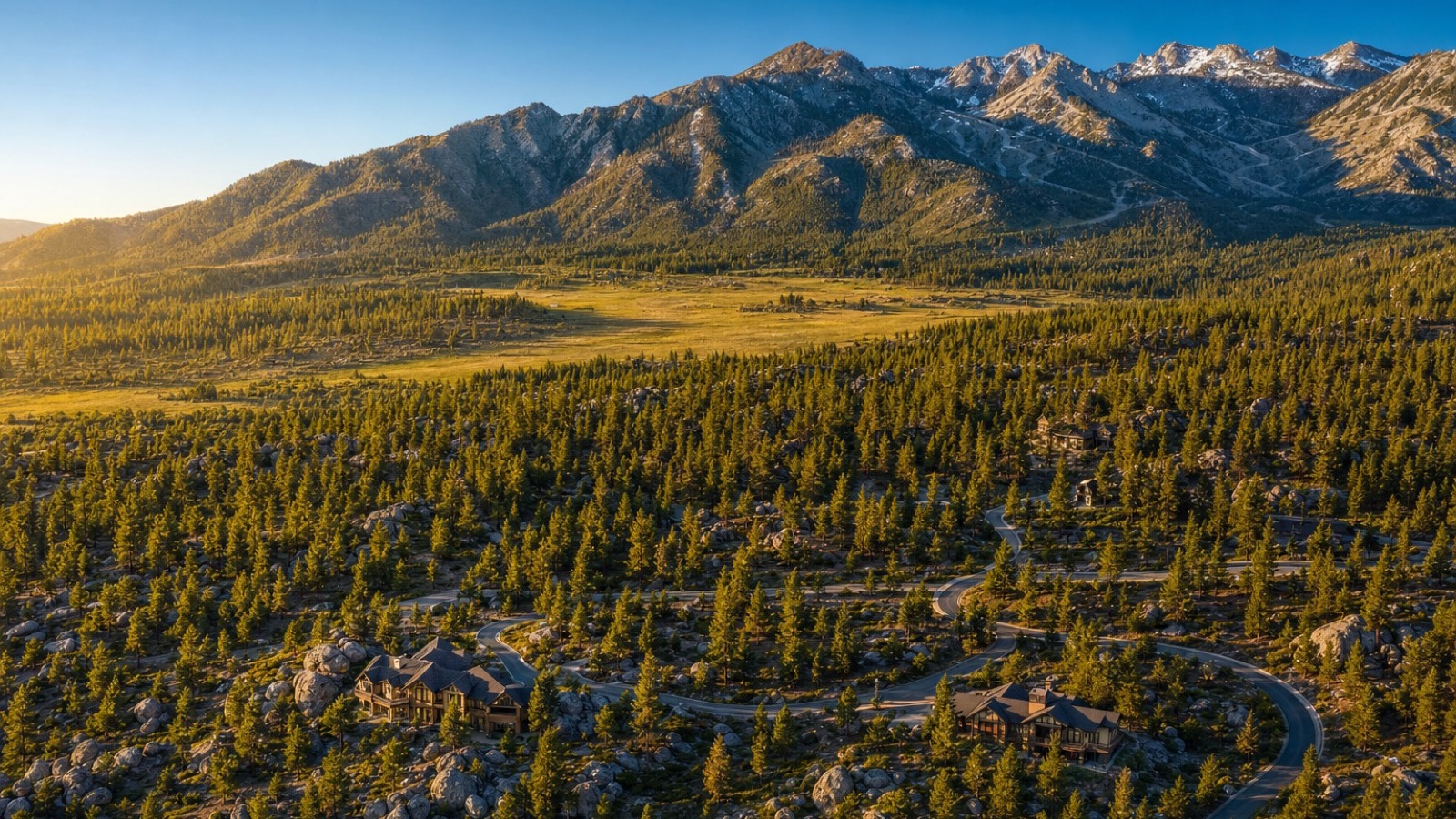
What exists instead is a duty and an obligation, and neither is smaller for being unnamed. The duty is NRS 113.100's definition of a defect plus item 11's catch-all, and wildfire exposure that materially affects value or use sits squarely inside both. The obligation is local. According to the Truckee Meadows Fire Protection District, any building constructed in its jurisdiction on or after August 2013 in an area designated Moderate, High or Extreme Hazard was built under the International Wildland-Urban Interface Code, and the owner must maintain defensible space per Table 603.2 of that code.
Those distances are not advisory. Table 603.2 sets fuel modification at 30 feet for moderate hazard, 50 feet for high hazard and 100 feet for extreme hazard, and the district notes that depending on the water supply available when the building was constructed, a property may have been required to maintain 1.5 times the table distance. Tree crowns extending within 10 feet of a structure must be pruned to a 10-foot horizontal clearance, and crowns within the defensible space must have limbs below 6 feet off the ground removed. Most pointedly, the district states that if defensible space was required for the construction of your building it must be maintained for the life of the building, and that failure to maintain it as required may impact your insurance claim in the event of a fire incident.
Translate that into disclosure language. A Galena Forest or Arrowcreek home built in 2016 in a High Hazard designation carries a permanent, code-based, 50-foot maintenance obligation that transfers to the buyer with the keys. If you have kept it, say so and show the inspection history. If you have let the bitterbrush creep back to the deck, that is a condition affecting use, it is a known insurance exposure, and the honest move is to write it down and price it rather than to mow one weekend before photos and hope the appraiser is not a fire captain.
How Has AB 376 Changed What Washoe Sellers Should Say About Insurance?
This is the newest and fastest-moving piece of the northern picture, and it is a 2026 story, not a 2024 one. According to the enrolled text of Assembly Bill 376 of Nevada's 2025 session, effective January 1, 2026, section 25.1 authorizes an insurer issuing a policy of property insurance to exclude the peril of wildfire from the coverage provided under the policy, and separately authorizes an insurer to issue a policy that solely covers the peril of wildfire, offered standalone or in coordination with a policy that excludes it. The bill defines wildfire as an unplanned and uncontrolled fire in an area of combustible vegetation that originated from outside any residential or commercial property, and lets an insurer use a different definition if the Commissioner approves it.
The same bill, in section 9, directs the Commissioner to establish a four-year Regulatory Experimentation Program for Insurance Product Innovation, and it amends the common-interest community rules so an association may carry wildfire coverage that coordinates with or subrogates the policies unit owners hold. That matters in Somersett and other master-planned communities where the master policy and the owner policy have to fit together.
The market context is the part Washoe sellers feel. According to reporting on Nevada Division of Insurance data by The Nevada Independent, Washoe County saw more than 1,600 homeowners policies cancelled or nonrenewed in 2024, over 60% of the statewide total, while the state's other 16 counties combined fell under 1,100. Statewide declinations of new applications climbed from about 2,400 in 2022 to 13,600 in 2024, with more than 6,000 of the 2024 declinations in Washoe County, and eight of the top ten cancellation ZIP codes sitting in Washoe. The Mount Rose Highway corridor was named specifically. Nevada also has no FAIR Plan, the insurer of last resort that most wildfire-exposed states operate.
Now a boundary I want to draw clearly. Insurance availability is not, by itself, a seller disclosure item, and I am not telling you to characterize your buyer's future premium. What is disclosable is your own history: a nonrenewal notice you received, a wildfire claim you filed, a carrier that declined the property, an unrepaired condition a carrier flagged. Those are facts about the property that materially bear on use. Everything beyond that belongs in the buyer's own conversation with their agent and lender, ideally in week one, because a policy that cannot be bound is a closing that cannot happen.
What Must Reno and Sparks Sellers Disclose About Flooding?
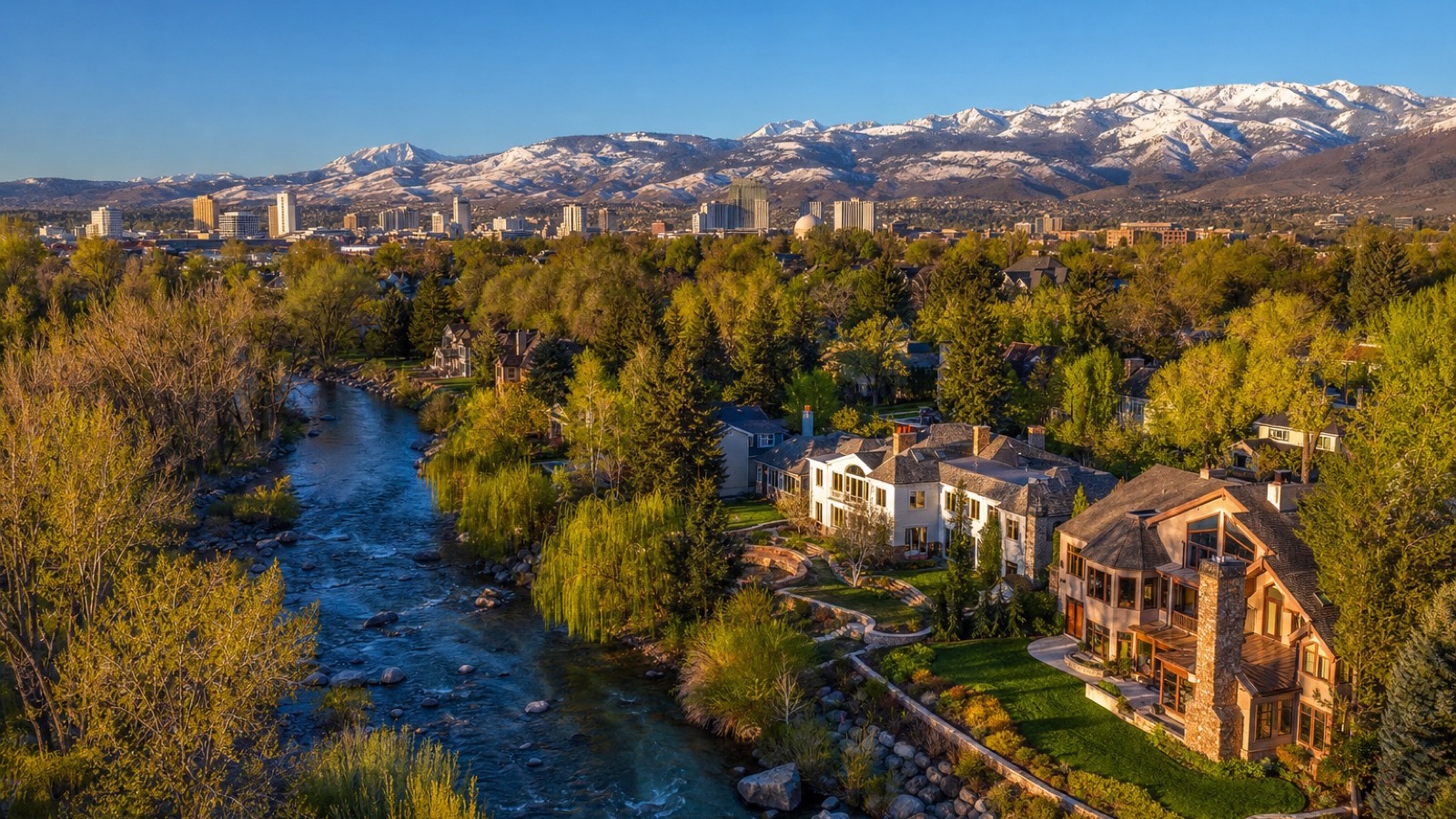
Flood is the rare northern hazard the state form handles well, and it handles it twice. Item 2(c) asks whether you are aware of any drainage, flooding, water seepage or high-water table, and item 2(d) asks separately whether the property is located in a designated flood plain. Those are different questions and they deserve different answers. A home can sit outside a mapped Special Flood Hazard Area and still take water in the side yard every March; that is a 2(c) yes and a 2(d) no, and writing it that way is both accurate and protective.
The scale of what the Truckee Meadows defends against is easy to underestimate if you moved here after 1997. According to the Truckee River Flood Management Authority, the 1997 New Year's flood caused approximately $700 million in damages in Washoe County alone and more than $1 billion across northern Nevada, and a comparable flood today could cause $2 billion. That is why a joint authority of Reno, Sparks and Washoe County exists.
The project is live, not historical, and its status is worth knowing because it changes parcels. According to the Authority, the Vista Narrows floodplain terracing project moved into final design in December 2025, the Rock-McCarran project presented 30% design in June 2026, and in January 2026 the Authority sought design services for Reno-Tahoe International Airport flood protection and Sparks North Bank improvements. Projects like these can change effective flood mapping over time, which is exactly why 2(d) should be answered against the current FEMA map rather than against what you remember from your purchase.
Two practical notes for the timeline. First, Washoe County's own building design criteria point to Washoe County Code Chapter 110 for flood hazards, so a buyer planning an addition in a mapped area is facing a county process, not just an insurance question. Second, according to FEMA, a new National Flood Insurance Program policy generally takes 30 days to take effect, with an exception when the policy is purchased in connection with making, increasing, extending or renewing a federally backed mortgage. A buyer who discovers a flood-zone requirement in week four of a 30-day escrow is usually fine because of that lender exception, but a cash buyer in the same spot is not, and a seller who disclosed the zone in week one never has the conversation at all.
Why Do Snow Load and Ice Damming Belong on a Northern Nevada Disclosure?
Because in Washoe County the roof is an engineered structural element with a number attached to it, and in Las Vegas it is not. According to Washoe County's published design requirements, ground snow loads are taken from International Building Code Table 1608.2.1 or the ASCE Hazard Tool, and the county's table is built by elevation. At 4,500 to 5,000 feet, which covers most of the Reno and Sparks valley floor, Risk Category II lands at 43 pounds per square foot. At 5,500 feet west of US 395 that figure is 123 psf. At 6,000 feet west of 395 it is 203 psf, and in the Lake Tahoe Basin at the same elevation it is 315 psf. The footnote sets a floor: final roof snow design load shall not be less than 29 psf.
The same amendment to IRC Table R301.2 sets the rest of the northern envelope: wind design speed 120 mph in a special wind region, Seismic Design Category D2, severe weathering, a 24-inch frost line, a 17-degree winter design temperature. And the one that produces the most winter phone calls in my business: ice barrier underlayment required above 5,300 feet.
| Elevation | West of US 395 | East of US 395 | Lake Tahoe Basin |
|---|---|---|---|
| 4,500 to 5,000 feet | 43 psf | 43 psf | Not tabulated |
| 5,300 feet | 92 psf | 49 psf | Not tabulated |
| 5,500 feet | 123 psf | 53 psf | Not tabulated |
| 6,000 feet | 203 psf | 62 psf | 315 psf |
| 7,000 feet | 286 psf | 82 psf | 358 psf |
That elevation line runs right through the money. A home in the valley near Old Southwest Reno sits below it. Homes along the Mount Rose corridor, in Galena, in Montreux and throughout Incline Village sit above it. If you own above 5,300 feet and your roof has been replaced, whether the ice barrier underlayment went on is a legitimate question with a permit-record answer, and if you know the answer you should disclose it.
Form 547 gives you item 3 for the roof and item 1(a) for previous or current moisture conditions and water damage. An ice dam does its damage as interior water intrusion, so it lands on both. Disclose the event, the repair and the underlayment status, and attach the invoice. Buyers relocating from a snow-free market do not know to ask, which is precisely why an undisclosed history is such a durable liability. A $9,000 repair you papered is a non-issue. The same repair left blank is the treble-damages arithmetic from the first section.
Is Radon a Bigger Disclosure Issue in Reno Than in Las Vegas?
Materially, yes, and the numbers are not close. According to the University of Nevada, Reno Extension's statewide radon map, of 10,700 valid tests in Washoe County, 2,341 came back at or above the EPA action level of 4 pCi/L, a rate of 21.9%, with a county average of 3.33 and a highest recorded result of 195.0. In Clark County, 411 of 3,713 tests hit that threshold, a rate of 11.1%, with an average of 2.07. A northern seller is dealing with roughly twice the incidence of a southern one, and neighboring Douglas County at 40.7% and Carson City at 39.8% are higher still.
Inside Washoe the spread by ZIP is wide enough to matter at the address level. According to Extension's Washoe County radon map, 89509 covering the Old Southwest and Caughlin area returned 32.7% of 1,788 tests at or above the action level, with an average of 5.68 and a high of 195.0. Verdi's 89439 hit 45.1% of 142 tests. Newer suburban ZIPs run far lower, with 89523 at 9.6% and 89521 at 8.8%.
| Area | Valid tests | At or above 4 pCi/L | Share | Average pCi/L |
|---|---|---|---|---|
| 89439 Verdi | 142 | 64 | 45.1% | 10.20 |
| 89451 Incline Village | 1,195 | 411 | 34.4% | 4.15 |
| 89509 Old Southwest and Caughlin | 1,788 | 565 | 32.7% | 5.68 |
| 89511 South Reno | 1,672 | 486 | 29.7% | 3.72 |
| 89523 Northwest Reno | 919 | 88 | 9.6% | 2.15 |
| 89521 Damonte Ranch | 811 | 68 | 8.8% | 2.01 |
| Washoe County overall | 10,700 | 2,341 | 21.9% | 3.33 |
| Clark County overall | 3,713 | 411 | 11.1% | 2.07 |
Those are test results from homes whose owners chose to test, not a random sample, and I will not pretend otherwise. They still describe a real distribution, and they explain why 89509 inspection contingencies in Old Southwest Reno and Caughlin Ranch so often include a radon test while the same contingency almost never appears in a southern contract.
The disclosure hook is explicit for once. Form 547 item 6(a) names radon gas among environmental hazards alongside asbestos, urea formaldehyde, fuel or chemical storage tanks and contaminated water or soil. If you tested, the result is disclosable, high or low. If you mitigated, the system and its paperwork are disclosable and, frankly, a selling point. What you cannot do is test, get a 9.4, decline to mitigate and check no. Nevada mandates no radon test at sale, and that does not change the rule that a known condition gets written down. Extension runs a free-kit program and a Realtor continuing education course out of Reno, which is signal enough that this is a northern transaction issue.
What Do You Have to Disclose About a Shared Private Road?
Item 8 is the quietest important line on Form 547. It asks whether you are aware of any features of the property shared in common with adjoining landowners, such as walls, fences, road, driveways or other features whose use or responsibility for maintenance may have an effect on the property. In a Las Vegas master plan the honest answer is usually a party wall. In Palomino Valley, Rancho Haven or the foothill fringe, the honest answer is often a half-mile of gravel maintained by an informal handshake among six owners, one of whom moved away in 2019.
Write down what actually exists. Is there a recorded easement, and does it run against every parcel that uses the road or only yours? Is there a written maintenance agreement, and does it bind successors? Who plows, and is that person paid? Is winter access reliable for a passenger car or does it genuinely require a truck from December through March? Each is a use question under NRS 113.100, and a buyer from a city grid does not know to ask one of them.
The financing layer is where vagueness becomes a dead escrow. According to HUD's Homeownership Center reference guidance, private streets including shared driveways must be protected by permanent recorded easements or be owned and maintained by a homeowners association, the lender's Direct Endorsement underwriter must review and approve the recorded easement, and the property needs an all-weather surface, which HUD describes as a road surface over which emergency and the area's typical passenger vehicles can pass at all times. Notably, HUD's guidance states that evidence of a road maintenance agreement is not required; the permanent recorded easement is the load-bearing requirement.
That distinction is worth internalizing, because the folklore runs the other way. Sellers on private roads are often told to go paper a maintenance agreement in week three of escrow. The document the underwriter actually needs is the recorded easement, and if that easement does not exist for your parcel, thirty days is not enough time to create one. Find out before you list. On acreage and horse properties this single item decides whether your buyer pool includes financed buyers at all.
Which Disclosures Apply Only Outside Reno and Sparks City Limits?
Crossing out of the city limits changes the paperwork more than it changes the drive time. The clearest example is NRS 113.065, the open range disclosure. If a home or improved lot is adjacent to open range where livestock are permitted to graze, the seller must disclose that separately in writing, along with the possibility of unrecorded rights-of-way under the federal R.S. 2477 provision. Form 547 item 2(g) asks the trigger question and tells you further disclosure is required if you answer yes. Compliance provides an affirmative defense against a purchaser's later claim, which makes it one of the few disclosures with a statutory reward attached for doing it properly.
NRS 113.070 is the second one, and it is broader than most sellers realize. It requires a seller to disclose in writing, before the purchase agreement is signed or escrow opens, the zoning classifications and master plan land use designations for adjoining parcels, with the information updated not less than once every six months. In unincorporated Washoe County, where a residential parcel can adjoin general rural, agricultural or industrial designations, this is a real question with a real answer, and a buyer paying a premium for an unobstructed Sierra view deserves to know what the adjoining designation permits.
Propane belongs here too. Form 547 item 6(a) names fuel or chemical storage tanks among environmental hazards, and a propane tank serving a rural Washoe home is exactly that. The disclosure is not merely that a tank exists. It is whether the tank is owned or leased, because a leased tank carries a supplier contract the buyer inherits or replaces, and an owned buried tank raises age and condition questions an inspector will pursue. The form applies that owned-versus-leased logic to water treatment systems, solar panels and water heaters, and never asks it about propane.
Finally, remember which southern disclosure you do not owe. NRS 113.080's gaming enterprise district map applies only in counties of 700,000 or more, which is Clark County alone. A Washoe seller who is handed a gaming district disclosure by an out-of-area transaction coordinator is being given a Las Vegas form. Across the 9,600-plus closings our team has represented statewide, form-by-habit is a recurring source of northern confusion, and it cuts both ways.
How Should a Washoe County Seller Sequence the Disclosure Work?
Work backward from the 10-day deadline in NRS 113.130 and the problem is immediate: almost none of this can be produced in ten days. The septic file, the water right ownership record, the permit history, the well log and the recorded easement are third-party documents on third-party timelines. The sequence starts at the listing appointment, not at the inspection.
Week one is records. Request the septic and well file from Northern Nevada Public Health. Pull permit history from Washoe County Building and Safety, or from Reno or Sparks inside city limits. If a water right is part of the sale, get the permit numbers and confirm ownership in the Division of Water Resources record. If you are on a private road, find the recorded easement or confirm it does not exist. If you have an association, order the resale package, because that clock runs independently.
Week two is condition. Walk the defensible space with the fire district's Table 603.2 distances in hand if you are in a designated hazard area. Look honestly at the roof, and if you are above 5,300 feet, find out what underlayment went on at the last replacement. Test for radon if you have never tested; a result in hand is always better than a buyer's result in week four. Pull the invoices for every repair you are going to describe, because a described repair with an invoice ends a negotiation and a described repair without one starts a new inspection.
Week three is writing. Complete Form 547 yourself, as the statute requires, and use the explanation pages generously. Explanations are where northern disclosures live. Then keep the duty alive: if a defect appears or worsens between service and conveyance, NRS 113.130 requires you to tell the buyer in writing as soon as practicable, and NRS 113.150 gives a buyer only four working days to serve a notarized rescission after learning of a newly disclosed defect. One cost line belongs in the plan. According to the Washoe County Recorder, real property transfer tax runs $2.05 per $500 of value under NRS 375, collected at recording with a Declaration of Value, or about $2,400 on a $585,000 sale. Our Reno process and cost guide breaks down the rest, and the statewide document checklist covers what escrow needs beyond the disclosure.
Frequently Asked Questions
Does Washoe County require a septic inspection before I can sell my home?
No. Washoe County imposes no point-of-sale septic inspection requirement, which surprises sellers arriving from states that do. Northern Nevada Public Health regulates on-site sewage systems and permits installations, replacements, repairs and abandonments, but nothing in that authority triggers automatically at transfer. In practice an inspection still happens on most financed sales because the buyer's contract or lender requires it. Your legal duty is unchanged either way: if you know the system backs up, has had repairs, or serves more bedrooms than it was permitted for, that is material and it belongs on Form 547.
Do I have to test my well water before selling a Washoe County property?
Not by county rule. Northern Nevada Public Health states directly that it does not oversee or regulate domestic well water quality in Washoe County, referring owners to EPA and Nevada Division of Environmental Protection guidance instead. Testing usually happens because the buyer's contract or lender asks for it. What you cannot do is treat the absence of a requirement as permission to stay silent about a result you already hold. Form 547 item 10 asks about problems with water quality or supply, and a nitrate result or a seasonal dry-well history is disclosable whether or not anyone required the test.
Is there a Nevada wildfire disclosure form for Reno sellers?
There is no Nevada statutory wildfire disclosure and no wildfire item on Form 547. That is genuinely different from California, and claims otherwise usually trace to California-trained sources. What applies is the general standard: NRS 113.100 defines a defect as anything materially and adversely affecting value or use, and item 11 is the catch-all where it goes. Separately, if your building went up in the Truckee Meadows Fire Protection District on or after August 2013 in a Moderate, High or Extreme hazard area, the Wildland-Urban Interface defensible space obligation runs for the life of the building.
Do water rights automatically transfer when I sell my Washoe County property?
Not automatically. NRS 533.040 treats water used for beneficial purposes as appurtenant to the place of use, but the same statute permits a right to be severed and transferred elsewhere without losing priority, so a right may have been sold off long before you bought. Never represent that water rights convey unless you have verified the permit or certificate numbers and current ownership in the Division of Water Resources record. If a right does convey, NRS 533.384 puts the filing duty on the buyer, whose report of conveyance runs $120 plus $20 per document on Form 3001.
What happens if my well fails while my Reno home is under contract?
You may not be able to drill deeper. Northern Nevada Public Health will not issue a well deepening or replacement permit where a municipal water system is available to the property, so the required fix on many Truckee Meadows parcels is a Truckee Meadows Water Authority connection rather than a new borehole. That is a materially different cost and timeline than most sellers assume, and Washoe County's Community Services Department runs a financing program for the conversion. If the well degrades after you serve your disclosure, NRS 113.130 requires written notice to the buyer as soon as practicable.
How does Nevada's new wildfire insurance law affect my sale?
Assembly Bill 376 took effect January 1, 2026 and authorizes Nevada insurers to exclude the peril of wildfire from a property policy, or to sell wildfire coverage only as a standalone product. Availability is not itself a seller disclosure item, and you should not characterize what your buyer will be able to buy. What is disclosable is your own property history: a nonrenewal, a wildfire claim, a carrier declination, or a flagged condition you did not repair. Buyers in foothill Washoe should start the insurance conversation in week one, because an unbindable policy stops a closing cold.
Can I sell my Washoe County home as-is and skip the disclosure?
No. Selling as-is limits your obligation to make repairs; it does not touch your obligation to disclose. NRS 113.130 states plainly that a buyer may not waive the requirement and a seller may not require a waiver as a condition of sale. The statute's narrow exemptions cover foreclosures, transfers between co-owners, spouses or close relatives, the first sale of a home built by a licensed contractor, and certain fiduciary or relocation transfers. An owner-occupant selling as-is is not on that list, and a concealed known defect still exposes you to treble damages under NRS 113.150.
How Can Nevada Real Estate Group Help You Sell a Washoe County Home?
Because the northern disclosure file is a records project, and records projects reward teams that have done it before. Nevada Real Estate Group is the number one ranked real estate team in Nevada, with more than $4.85 billion in career sales volume, 9,600-plus closed transactions, 150-plus licensed agents and 789 closings in 2025 at more than $440 million in volume. We list across Reno, Sparks and the wider northern Nevada communities every week, so pulling a septic file, chasing a recorded easement, reading a State Engineer ownership record and reconciling a defensible space obligation against a 2016 building permit is routine Tuesday work, not a research project we start after your home hits the market.
Here is how we run it. At the listing appointment we open the records requests, not after an offer arrives. We tell you candidly which conditions to repair before photos and which to disclose and price, because those are different decisions with different math. We write the explanation pages with you rather than for you, since the statute requires the seller to complete the form, and we keep the disclosure current through escrow.
Sellers also stay in control. Our 7-day listing agreement means you can end the relationship at any time if we are not performing, and every listing gets professional photography, a pricing strategy built from closed comps rather than a portal estimate, and the disclosure discipline this guide describes. Start with our home value estimator, read through our seller services, or see what a Reno home sale looks like end to end. When you are ready for a real conversation about your specific parcel, its well, its roof and its file, reach our Reno team at (775) 277-2120 or our Las Vegas office at (702) 637-1759 and we will build the plan this week. If you are earlier in the process and looking at land rather than a finished home, our guide to Reno and Sparks lots, water and permits covers the same ground from the buyer's side, and our foothill listings in south Reno and Somersett show how these files read in practice.
Which Sources Inform This Washoe County Seller Disclosure Guide?
Every figure above traces to a document we opened. Market figures come from Northern Nevada Regional MLS data pulled through Repliers on September 19, 2026, covering the 12 months ending September 18, 2026, and are our own calculations, not an official board statistic.
- NRS Chapter 113, Condition of Residential Property Offered for Sale — Nevada Legislature
- Seller's Real Property Disclosure Form 547, revised June 1, 2023 — Nevada Real Estate Division
- Domestic Well Program, Washoe County — Northern Nevada Public Health
- Septic Systems and Liquid Waste — Northern Nevada Public Health
- NRS Chapter 533, Appropriation of Public Waters — Nevada Legislature
- Form 3001 Report of Conveyance, updated June 4, 2025 — Nevada Division of Water Resources
- Defensible Space and WUI Code Table 603.2 — Truckee Meadows Fire Protection District
- Assembly Bill 376, 83rd Session, enrolled text — Nevada Legislature
- Insurers are dropping Washoe County homeowners — The Nevada Independent, reporting Nevada Division of Insurance data
- Truckee Meadows Flood Project — Truckee River Flood Management Authority
- Waiting period for activating a flood policy — FEMA
- Design Requirements and Northern Nevada Code Amendments — Washoe County Building and Safety
- Nevada Statewide Radon Map — University of Nevada, Reno Extension
- Washoe County Radon Map — University of Nevada, Reno Extension
- Private roadways and access requirements — HUD Homeownership Center reference guide
- Real Property Transfer Tax — Washoe County Recorder
Chris Nevada owns Nevada Real Estate Group, brokered by LPT Realty, Nevada license S.181401. This guide is educational, not legal advice. Nevada disclosure disputes turn on facts and timing, and a Nevada real estate attorney should review any specific question about your transaction.