

Ask ten Reno investors what the short-term rental rules are and you will get ten confident answers — most of them right for one address and wrong for the next. That is not because the rules are secret. It is because the Truckee Meadows runs on three separate rulebooks: the City of Reno's business-license STR program, the City of Sparks' permit program, and unincorporated Washoe County's ordinance, which covers everything outside both cities — including the Lake Tahoe communities of Incline Village and Crystal Bay. Cross one invisible boundary line and the permit process, the occupancy math, the neighbor-notice rules, and the enforcement posture all change.
Nevada Real Estate Group has closed more than 9,600 transactions across Nevada, and our Northern Nevada team works these jurisdictional seams every week. This guide walks through all three programs, the live inventory numbers behind the market, and the transaction rules — starting with the one that surprises almost every buyer: the permit does not come with the house.
Short-term rentals are legal in Reno, Sparks, and unincorporated Washoe County in 2026 — but each jurisdiction runs its own permit program, and none of the permits transfer when a property sells. Washoe County uses an occupancy-based tier system that covers Incline Village and Crystal Bay. With Reno's median list price at $599,000 across 1,573 active listings, verify the parcel's jurisdiction and permit eligibility before you offer — call (775) 277-2120 first.
- Three rulebooks: City of Reno, City of Sparks, and unincorporated Washoe County each permit STRs separately.
- Permits are non-transferable — every buyer re-applies from zero after closing.
- Reno shows 1,573 actives at a $599,000 median; only 21 mention "furnished" (live NNRMLS, July 12, 2026).
- Washoe County's tier system scales rules by occupancy, including Incline Village and Crystal Bay.
- Unpermitted operation risks four-figure daily penalties — verify the current ordinance every time.
- Call Nevada Real Estate Group at (775) 277-2120 before you buy or list an STR.
Why Does Northern Nevada Run on Three Different Short-Term Rental Rulebooks?
Because no single government owns the Truckee Meadows. The City of Reno and the City of Sparks are separate incorporated municipalities, each with its own municipal code and its own licensing department. Everything outside those two city limits — from the Mount Rose Highway corridor to Spanish Springs' edges to the entire Nevada shore of Lake Tahoe at Incline Village and Crystal Bay — is unincorporated Washoe County, governed by the county's own short-term rental ordinance.
There is a second reason the region grew three distinct programs instead of one. Nevada's statewide STR law, Assembly Bill 363 (2021), forced legalization and regulation only in counties with populations above 700,000 — which in practice meant Clark County and Southern Nevada. Washoe County sits below that threshold, so Northern Nevada's rules are home-grown: each jurisdiction wrote its own ordinance on its own timeline in 2021 and 2022, and each has amended its program since. That is exactly why every specific in this guide comes with the same caveat: verify the current ordinance for the exact parcel before you rely on it. This article is market commentary from a real estate team, not legal advice.
The practical consequence for buyers is blunt: two houses a quarter-mile apart can face different permit fees, different occupancy caps, different neighbor-notification procedures, and different enforcement offices. And the pattern extends beyond the county line — Carson City, an independent municipality 30 minutes south, runs its own separate rental rules entirely. Jurisdiction is the first thing my team checks on any STR purchase — before price, before condition, before the booking projections.
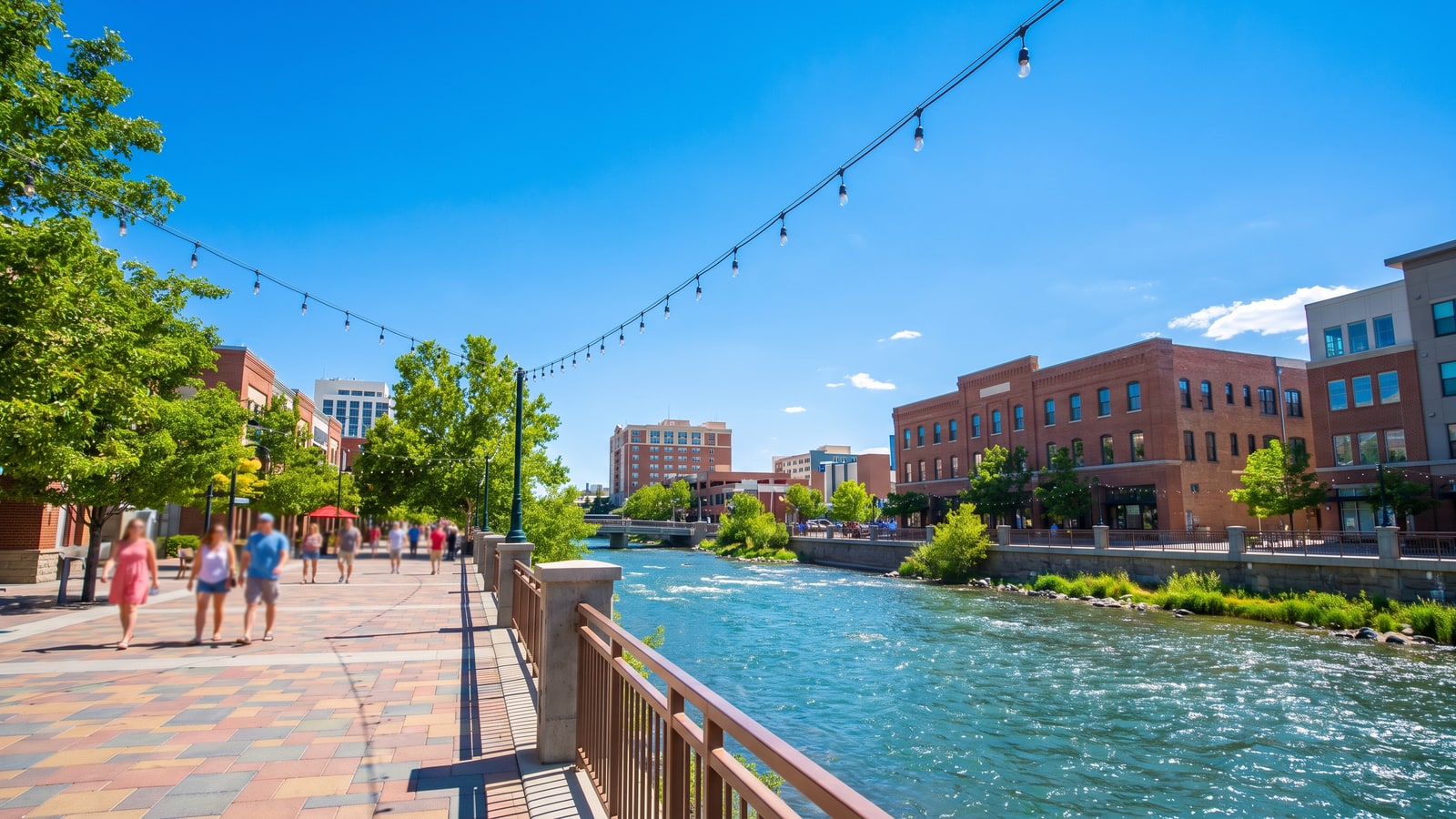
What Does the Live Reno Market Look Like for STR Buyers in 2026?
Here is the current picture, pulled from Nevada Real Estate Group's live NNRMLS feed on July 12, 2026 (methodology: active for-sale counts, median list prices, and keyword scans across listing remarks, using the same data feed that powers our site search):
- 1,573 active listings in Reno, with a median list price of $599,000
- 563 actives in Sparks at a $579,000 median — the value play next door
- 101 actives in Incline Village at a $1,199,000 median — exactly double Reno's number
- Only 21 Reno actives mention "furnished" in their remarks — about 1.3% of inventory, the turnkey signal STR buyers filter for
- Just 3 Reno listings mention "Airbnb" at all, priced from $315,000 to $809,900
- 603 Reno actives carry no HOA — roughly 38% of the market, and the natural hunting ground, since HOA and CC&R rental restrictions kill more STR plans than any city rule
Two things jump out of that data. First, almost nobody in Reno markets STR potential — 3 listings out of 1,573 — which means the opportunity is invisible on portals and lives in jurisdiction-and-eligibility work instead. Second, the furnished-turnkey supply is razor thin, so an operating, permitted, furnished property is a genuinely scarce asset in this market. For deeper pricing context, see our full Reno housing market breakdown, and browse the live board on our Reno homes for sale hub.
How Does the City of Reno Short-Term Rental Program Work?
According to the City of Reno, short-term residential rentals inside city limits — stays of fewer than 28 consecutive days — require registration through the city's short-term rental program along with a City of Reno business license, with annual renewal. The program the city adopted in 2021 built around a familiar toolkit: a safety inspection before the permit issues, occupancy limits tied to the home's bedroom count, minimum parking standards, noise and trash rules, posted permit information inside the unit, and a designated local responsible party who can physically respond to complaints quickly.
The fee stack is real money but not a barrier: expect several hundred dollars between the permit application, the business license, and the inspection, then renewal fees each year — on a property grossing $40,000+, that is a rounding error. What is not a rounding error is getting the details wrong. In my experience, the three Reno-specific items that trip up new operators are the responsible-party requirement (a property manager in another state does not qualify), the occupancy cap (advertised occupancy above your permitted number is itself a violation), and the tax registration — operators collect and remit transient lodging tax, administered regionally, on every booking.
Reno has amended its program since adoption — fee schedules, inspection procedures, and enforcement provisions have all moved — so treat every number here as a snapshot and verify the current ordinance on the city's site before you underwrite a deal.
What Are the City of Sparks Short-Term Rental Permit Rules?
According to the City of Sparks, STRs in Sparks run through a separate city permit and business-license process — Sparks addresses cannot operate on a Reno permit, full stop. The broad shape rhymes with Reno's program: application and inspection, occupancy limits, parking minimums, a local contact who can respond to problems, good-neighbor standards on noise and trash, and annual renewal. But the details — fee amounts, inspection checklists, notice procedures, and penalty schedules — are Sparks' own, and the city has tuned them since the program launched. Verify the current ordinance with the city before relying on any specific threshold.
Why bother with Sparks at all? Price and position. At a $579,000 median across 563 actives, Sparks runs about $20,000 below Reno's median while sitting 10 minutes from downtown's event calendar and the Nugget's own event corridor along Victorian Avenue. For an investor whose model is thin at Reno pricing, the same floor plan across the city line can be the difference between a deal that pencils and one that does not. My team runs the jurisdiction check both ways for exactly that reason — sometimes the right answer to a Reno STR search is a Sparks address.
How Does Unincorporated Washoe County Regulate Short-Term Rentals?
According to Washoe County, the county's short-term rental ordinance — the Ordinance 8-A lineage adopted in 2021 — covers every unincorporated parcel in the county, and it is the most consequential of the three rulebooks because it governs the highest-demand vacation territory in Northern Nevada: Incline Village, Crystal Bay, and the mountain corridors above the valley floor.
The county's framework is built around occupancy-based tiers. Smaller operations — roughly ten or fewer guests — sit in the lowest tier with the lightest review; mid-size operations take on more requirements; and the largest occupancy class requires the heaviest scrutiny before a permit issues. Layered across all tiers are the provisions that make the county program distinctive: neighbor notification when a permit is filed, defensible-space and fire-safety standards (this is wildfire country), snow-season parking rules in the Tahoe basin, septic-capacity limits where applicable, quiet hours, and a 24/7 local contact. Permits renew annually, inspections recur, and the tier thresholds and fees have been adjusted since adoption — verify the current ordinance text with the county's Community Services Department before you count on any specific number.
Here is how the three rulebooks compare on the dimensions that decide deals:
| Rule dimension | City of Reno | City of Sparks | Unincorp. Washoe County |
|---|---|---|---|
| STRs allowed? | Yes — permit + business license | Yes — permit + business license | Yes — permit under tier system |
| Permit transfers at sale? | No — buyer re-applies | No — buyer re-applies | No — buyer re-applies |
| Occupancy framework | Caps tied to bedrooms — verify current ordinance | Caps set by permit — verify current ordinance | Tiered by guest count, largest tier heaviest review |
| Neighbor involvement | Complaint-driven, posted local contact | Complaint-driven, posted local contact | Notification to nearby owners at application |
| Distinctive requirement | Local responsible party, safety inspection | Separate city process — no Reno reciprocity | Fire defensible space, snow parking, Tahoe rules |
| Covers | Reno city limits only | Sparks city limits only | Incline Village, Crystal Bay, all unincorporated areas |
How Do the Incline Village and Crystal Bay Rules Differ From the Rest of the County?
Incline Village and Crystal Bay sit inside unincorporated Washoe County, so the county ordinance governs — but the Tahoe basin is where the ordinance runs hottest. This is the county's densest STR territory and its most contested: full-time residents, environmental agencies, and a lakefront vacation economy all pull on the same streets. The county has repeatedly revisited how many permits the basin should carry and how they should be distributed, and permit availability in Incline Village and Crystal Bay can be materially tighter than in the rest of the county — before you assume a Tahoe-area purchase can be permitted, or assume you can simply join a queue, verify the current permit availability and any waitlist status directly with Washoe County. That single phone call has saved more than one of our buyers from a seven-figure mistake.
The underwriting math is different up the hill too. At a $1,199,000 median across 101 Incline Village actives, you are buying twice the asset for the same permit uncertainty — but the revenue ceiling is also different: lakefront summer weeks and ski-season peaks at Diamond Peak and Mt. Rose support nightly rates Reno proper cannot touch. Many Incline buyers ultimately blend strategies — personal use plus limited rental windows — which changes both the permit tier and the tax picture. If Tahoe is your target, start with our guides to buying a second home in Incline Village and Incline Village's Nevada tax advantages, then look at the broader Lake Tahoe market picture.
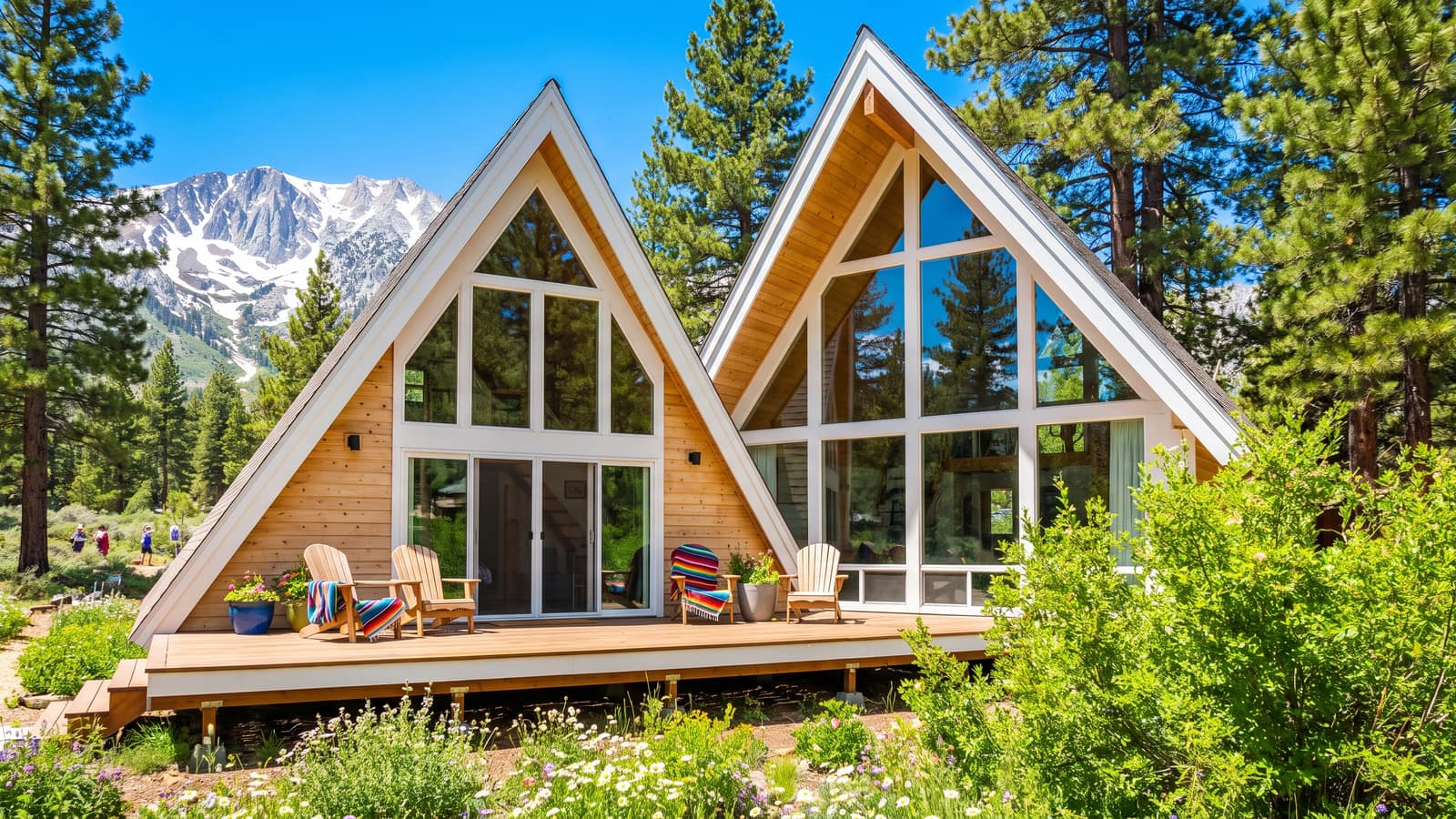
Do Short-Term Rental Permits Transfer When a Property Sells?
No — and if you remember one sentence from this guide, make it this one. In Reno, in Sparks, and in unincorporated Washoe County alike, a short-term rental permit belongs to the operator, not the parcel. When the property sells, the permit dies. The buyer applies fresh, pays fresh fees, passes a fresh inspection, and must satisfy whatever the rules are on the day of application — not the rules that existed when the seller was first permitted. If the jurisdiction has tightened tiers, raised fees, added requirements, or constrained permit availability since the seller got in, the buyer inherits the new reality, not the old permit.
That reshapes both sides of the transaction:
- Sellers: you cannot sell your permit, but you can sell everything that made it valuable — the booking history, the reviews, the furnishings, the house manual, and a documented eligibility profile that shows a new owner can realistically re-permit. A seller who assembles that package markets a small hospitality business; a seller who does not markets an empty house. Start with a free valuation that prices both lenses, then talk to our listing team about how to present the operating history.
- Buyers: never pay an operating-business premium for revenue you may not legally be able to reproduce. Build the eligibility file first — jurisdiction, current ordinance, HOA and CC&R review, permit availability — and write the offer with your eyes open. Our buyer's team runs this checklist before clients write on any STR candidate.
In my experience, the resale-package review is where most Northern Nevada STR purchases actually die: a house physically perfect for hosting sits inside an HOA whose CC&Rs ban rentals under 30 days, and no city or county permit can override private covenants. With 603 of Reno's 1,573 actives carrying no HOA, the no-HOA pool is where most workable candidates live — and it is a filter we can apply to your property search in about ten seconds.

What Do Neighbor-Notice, Occupancy, and Good-Neighbor Rules Require?
All three programs were written to answer the same complaint: party houses. So all three lean on a common set of livability rules, with the county adding the most formal neighbor process.
In unincorporated Washoe County, nearby property owners are notified when an STR permit application is filed — meaning your future neighbors learn about your business plan before your first guest arrives, and the process gives them a channel to raise concerns. Inside Reno and Sparks city limits the process is more complaint-driven: the permit posts a 24/7 local contact, and a pattern of verified complaints is what puts a permit at risk. Either way, the operational rules cluster around the same themes — verify current specifics with each jurisdiction:
| Rule area | What it typically requires | Why it decides permits |
|---|---|---|
| Occupancy caps | Guest limits tied to bedrooms or permit tier | Advertising above your cap is itself a violation |
| Local contact | A responsible party able to respond quickly, 24/7 | Out-of-state self-management usually fails this test |
| Parking | Minimum off-street spaces; snow rules in the Tahoe basin | Street-parking complaints are the #1 neighbor trigger |
| Noise and events | Quiet hours; weddings and large events restricted | Repeat violations escalate to revocation |
| Safety | Inspections, egress, extinguishers, defensible space | No inspection pass, no permit — plan repairs early |
| Lodging tax | Register, collect, and remit on every booking | Back taxes surface in audits and at resale |
One number worth knowing on that last row: the transient lodging tax rate in the Reno-Sparks area runs in the low teens as a percentage of nightly revenue — roughly 13%–13.5% historically, administered regionally through the Reno-Sparks Convention and Visitors Authority, with the Tahoe township rate set separately. It is collected from guests, not paid out of your pocket, but registration and remittance are on you — and according to the Nevada Department of Taxation, lodging and related state tax obligations apply regardless of which platform advertised the stay.
What Happens If You Operate Without a Permit in Washoe County?
Enforcement is real in all three jurisdictions, and it has teeth. The general architecture: an unpermitted operation draws a complaint or is flagged through platform monitoring, a notice follows, and continued operation stacks administrative penalties that in some scenarios can reach four figures per day — with a revocation or denial history following the address into future applications. Exact penalty schedules differ by jurisdiction and have been amended over time, so verify the current numbers; the point is the shape of the risk, not the precise dollar amount.
Run the math on why cutting corners fails. A permitted operator might spend $500 to $1,500 a year across permits, licenses, and inspections. An unpermitted operator grossing $45,000 risks penalties that can consume a month of revenue in days, platform delisting mid-season, and — the part investors underrate — a compromised exit, because a buyer's agent doing diligence will find the enforcement history and reprice the property accordingly. Across the 9,600+ closings our team has represented, the discount on a property with a regulatory cloud always exceeds whatever the seller saved by skipping the process. Permits are cheap. Enforcement histories are expensive.
What Drives Short-Term Rental Demand in Reno and Lake Tahoe?
The demand story is what makes the permit work worth doing — because Northern Nevada's calendar is unusually kind to well-located STRs.
The university. According to the University of Nevada, Reno, the campus community runs to roughly 20,000+ students, and its rhythm — move-in weekends, family weekends, commencement, home football Saturdays — creates predictable spike dates when hotel rates surge and a three-bedroom near the university district can gross more in one weekend than a week of normal bookings.
The event engine. Reno's signature events stack the summer and fall: Hot August Nights, the Reno Rodeo, the Great Reno Balloon Race, and the September surge when tens of thousands of Burning Man travelers stage through the Truckee Meadows. According to Visit Reno Tahoe, the destination draws millions of visitors annually across events, gaming, and outdoor recreation — demand that spills well past the hotel corridor.
The Tahoe spillover. This is the structural advantage. When Tahoe basin lodging fills — summer weekends, powder cycles at Mt. Rose 25 minutes up the highway, holiday weeks — overflow demand rolls downhill into Reno and Sparks at nightly rates that flex upward with the mountain. A Reno STR is effectively a Tahoe-adjacent asset at a $599,000 median instead of a $1,199,000 one.
The economic base. According to the Economic Development Authority of Western Nevada, the Reno-Sparks region continues to attract manufacturing, logistics, and technology employers — which feeds a steady mid-term demand layer of traveling professionals, relocating families, and project teams booking furnished stays of two weeks to three months. That mid-term lane matters strategically: stays of 28 days or longer generally fall outside the STR permit programs entirely, giving operators a fallback business model in the same asset. And according to the U.S. Bureau of Labor Statistics, the Reno metro labor market has stayed structurally healthy through 2026 — the underlying tide that keeps both guest demand and exit values supported.
Is a Short-Term Rental Worth It Versus Long-Term Renting in Reno?
It depends on the property, the jurisdiction, and — more than anything — on management intensity. Here is an honest modeled comparison on a hypothetical $599,000 Reno purchase (median-priced, three-bedroom, no HOA). These are illustrative scenario numbers for framing, not projections; your actuals will differ, and tools like AirDNA's Reno market data can pressure-test nightly-rate assumptions for a specific address:
| Line item | Short-term rental | Long-term rental |
|---|---|---|
| Gross annual revenue | About $46,000 (modeled $220 nightly at 57% occupancy) | About $28,800 (modeled $2,400 monthly) |
| Management cost | 20–25% of revenue, or your weekends | 8–10% of revenue |
| Cleaning, supplies, utilities | $8,000–$12,000 owner-paid | Tenant pays most utilities |
| Furnishing (year one) | $15,000–$30,000 upfront | $0 |
| Permits, licenses, inspections | $500–$1,500 per year | None beyond standard requirements |
| Regulatory risk | Ordinance changes, permit non-renewal | Minimal |
| Vacancy behavior | Seasonal swings, event spikes | Stable with annual leases |
Read that table coldly and the pattern is clear: the STR can gross roughly $17,000 more per year, but it spends a large share of that edge on management, cleaning, furnishing amortization, and compliance — and it carries regulatory risk the long-term lease simply does not. The STR wins decisively in two cases: owners who self-manage well and enjoy hospitality, and properties with genuine event or Tahoe-spillover pricing power. The long-term lease wins for passive investors. The smartest Northern Nevada underwriting I see does both at once: buy a property that pencils as a long-term rental at about $2,400 a month, so the STR upside is a bonus rather than a requirement — and the mid-term furnished lane (28+ days, generally outside the permit programs) sits between the two as a fallback. On the tax side, furnishings and short-stay operations carry their own depreciation and reporting treatment — IRS Publication 527 covers residential rental rules, and your CPA should be in the conversation before you close, not after.
Which Reno Neighborhoods and Property Types Fit the Rules Best?
Start with the filter that beats every city rule: no HOA. Private covenants can prohibit rentals under 30 days regardless of what Reno, Sparks, or the county allows, and with 603 no-HOA actives in Reno right now, the eligible pool is deep. Then match the property to the demand driver:
- Midtown and the university corridor — walkable bungalow streets minutes from the Riverwalk, the casino core, and UNR's event calendar. Older housing stock means inspection prep (egress, electrical, extinguishers) is part of the buy, but nightly-rate power near the action is the best in the city.
- Old Southwest and downtown Reno — character homes with yards and off-street parking, the parking piece being a genuinely underrated permit advantage.
- Condos near the core — a lower entry point via Reno condos for sale, but read the CC&Rs first: many associations prohibit short stays outright, which is why condo STR candidates need document review before an offer, not after.
- The Mount Rose corridor and county pockets — unincorporated addresses under the county tier system, positioned for ski-season and Tahoe-overflow demand.
- Sparks' Victorian Avenue orbit — the value play at a $579,000 median, with its own event calendar and 10-minute access to downtown Reno.
Across the Northern Nevada communities we cover, the winning STR purchase is rarely the flashiest house — it is the one where jurisdiction, covenants, parking, and demand drivers all line up. That alignment check is precisely what our team does before a client writes.

How Should You Buy or Sell a Permitted STR in Northern Nevada?
Treat it as a business transaction wearing a house costume. The sequence we run:
For buyers: confirm the jurisdiction on the parcel map first; pull the current ordinance and confirm permit availability (especially in the Tahoe basin); review CC&Rs and HOA documents before writing; write the offer with diligence room for the permit question; verify any revenue claims against platform payout statements and lodging-tax filings, not screenshots; and price the furniture package explicitly if it conveys. Remember that you are underwriting the right to re-permit, not the seller's existing permit — because that permit will not survive closing.
For sellers: assemble the eligibility file yourself before listing — jurisdiction confirmation, your permit history, inspection records, 12+ months of payout statements, lodging-tax filings, and a furnishings inventory. A documented operating history marketed to the right buyer pool is how a $599,000 house sells like a $599,000 house plus a business. Undocumented, the same property sells on comps alone. Our seller's team builds this package as part of the listing process, and it starts with knowing what the asset is worth both ways — get the baseline from our home value estimator in about two minutes.
Either direction, the escrow itself has STR-specific pressure points: FF&E allocation language, booking-calendar handoffs, prorating future reservations, and closing-date timing against peak season. These are solvable — but only by an agent who has seen them before.
Why Do Northern Nevada Investors Call Nevada Real Estate Group?
Because three rulebooks punish generalists. The permit that dies at closing, the CC&R clause that overrides the city ordinance, the county tier that changes the occupancy math, the Tahoe permit-availability question that reprices an Incline deal — each one is routine for us and a landmine for an agent who touches one investment property a year.
Nevada Real Estate Group is the #1-ranked real estate team in Nevada, with $4.85 billion+ in career sales volume, 9,600+ closed transactions, 150+ agents, and 789 closings in 2025 alone — with a Northern Nevada team on the ground in Reno, Sparks, and the Tahoe basin every day. We pull the live NNRMLS data (like the 1,573-active, $599,000-median picture in this guide), run the jurisdiction and eligibility checks parcel by parcel, and bring the lender, CPA, and property-management introductions that make STR deals close clean. We serve investors statewide — Las Vegas (702) 637-1759 · Reno (775) 277-2120 — with one standard on both ends of the state.
Buying an STR candidate? We will build the eligibility file before you write. Selling a permitted rental? We will package the operating history so it sells as a business. Call or text (775) 277-2120, start your search, or tell us what you're looking for and we will flag eligible inventory the moment it hits the market.
Frequently Asked Questions
Does Reno allow Airbnb and other short-term rentals in 2026?
Yes. The City of Reno permits short-term rentals (stays under 28 days) through its STR registration and business-license program, with a safety inspection, occupancy limits, parking standards, a 24/7 local responsible party, and annual renewal. The program has been amended since its 2021 adoption, so verify current requirements and fees on reno.gov before you underwrite a purchase — and remember Sparks and unincorporated Washoe County run entirely separate programs.
What is the difference between Washoe County's STR rules and the city rules?
Jurisdiction and structure. Reno and Sparks each license STRs inside their own city limits through city-specific permit programs. Unincorporated Washoe County — which includes Incline Village, Crystal Bay, and everything outside both cities — uses a county ordinance built on occupancy-based tiers, with neighbor notification at application, fire defensible-space standards, and Tahoe-specific provisions like snow-season parking. Same metro, three rulebooks: always confirm which one governs your exact parcel first.
Do short-term rental permits transfer when a property sells?
No — in all three jurisdictions, permits belong to the operator and are extinguished at sale. The buyer applies fresh after closing and must satisfy the rules in force on the day of application, including any tightened tiers, fees, or availability limits adopted since the seller was permitted. Never pay an operating-business premium until you have independently confirmed the address can realistically be re-permitted under today's rules.
How do the Incline Village and Crystal Bay tiers and permit availability work?
Incline Village and Crystal Bay fall under Washoe County's tier framework, but the Tahoe basin is the county's most closely managed STR territory — the county has repeatedly revisited how many permits the basin carries and how they are issued, and availability there can be materially tighter than in the rest of the county. Before buying in the basin with rental income in the plan, verify current permit availability and any queue or waitlist status directly with Washoe County.
What are the fines for running an unlicensed short-term rental?
Each jurisdiction sets its own penalty schedule, and the schedules have been amended over time — but the architecture is consistent: notices followed by administrative penalties that can stack per day of continued operation, in some scenarios reaching four figures daily, plus platform delisting and an enforcement history that follows the address. Against permit costs of roughly $500 to $1,500 a year, unpermitted operation is a badly mispriced risk. Verify current penalty amounts with the specific jurisdiction.
Is a short-term rental worth it versus long-term renting in Reno?
A well-located Reno STR can gross meaningfully more — our modeled scenario shows about $46,000 versus about $28,800 for a long-term lease on the same median-priced home — but management, cleaning, furnishing, and compliance consume much of the edge, and regulatory risk is real. The strongest underwriting buys a property that pencils as a long-term rental first, so STR income is upside rather than a requirement, with 28-day-plus furnished stays as a middle lane that generally sits outside the permit programs.
Do I have to collect lodging tax on a Reno or Washoe County short-term rental?
Yes. Short-stay operators register for, collect, and remit transient lodging tax on bookings — administered regionally through the RSCVA in the Reno-Sparks area, with rates historically in the low teens as a percentage of nightly revenue and Tahoe-township rates set separately. The tax is collected from guests, but registration and remittance obligations are the operator's, and unremitted lodging tax surfaces in audits and in buyer due diligence at resale. Verify current rates and filing procedures before your first booking.
Which Sources Inform This Reno Short-Term Rental Guide?
Live inventory and pricing figures come from Nevada Real Estate Group's NNRMLS feed, pulled July 12, 2026 (1,573 Reno actives at a $599,000 median; 563 Sparks actives at $579,000; 101 Incline Village actives at $1,199,000; keyword counts for furnished, Airbnb, and no-HOA listings). Regulatory, tax, and market context draws on these authorities — and because all three STR programs have been amended since adoption, verify the current ordinance with each jurisdiction before acting:
- City of Reno — city STR registration, business licensing, and municipal code
- City of Sparks — Sparks STR permits and business licensing
- Washoe County — county STR ordinance, tier system, and Community Services Department resources
- Nevada Legislature — Assembly Bill 363 (2021) — the state STR framework that applied to counties over 700,000 population
- Nevada Department of Taxation — state tax obligations for lodging operators
- Reno-Sparks Convention and Visitors Authority — regional transient lodging tax administration and tourism data
- University of Nevada, Reno — enrollment and campus event calendar driving guest demand
- Visit Reno Tahoe — visitor volume and event tourism research
- Economic Development Authority of Western Nevada — regional employer growth and relocation pipeline
- U.S. Bureau of Labor Statistics — Reno MSA — metro employment baselines
- U.S. Census Bureau — Reno QuickFacts — housing and population context
- IRS Publication 527 — residential rental property tax treatment
- Freddie Mac Primary Mortgage Market Survey — mortgage rate benchmarks behind the underwriting math
- AirDNA — Reno Market Data — nightly-rate and occupancy verification tooling
Ready to run the numbers on a specific address? Call or text Nevada Real Estate Group at (775) 277-2120 — the short-term rental transaction team for Reno, Sparks, and the Lake Tahoe basin.