
Published June 25, 2026 · Updated September 19, 2026 · By Chris Nevada, Nevada Real Estate Group · NV License S.181401
A decade ago, "Reno" meant casinos and a quick wedding. Today it is one of the fastest-growing metros in the West, home to Tesla's Gigafactory, a booming tech and logistics corridor, and a steady stream of transplants chasing Nevada's zero income tax. So the question everyone relocating asks is fair: is Reno actually a good place to live in 2026? The honest answer is yes for many people — but with real trade-offs you should understand before you buy.
I'm Chris Nevada, and across the Reno and Northern Nevada closings Nevada Real Estate Group has represented, the buyers happiest here did their homework on cost, climate, commute, and schools before they fell for the Sierra views. This guide gives you a numbers-first, honest breakdown, rebuilt on September 19, 2026 against a fresh Northern Nevada MLS pull and current federal data. No boosterism, just the real picture from someone who closes deals here every week.
Yes for most buyers. Reno pairs no state income tax with a 4.0% unemployment rate and a 20.3-minute average commute, and the median home closed at $585,000 over the twelve months ending September 18, 2026 — below comparable West Coast metros. The trade-offs are genuine: 20.9 inches of annual snow, a market that has climbed since 2019, and a smaller job pool. It fits remote workers, relocators, and outdoor families best.
- Reno's median home closed at $585,000 across 3,801 sales in the year ending September 18, 2026.
- No state income tax, 4.0% unemployment, and 284,900 nonfarm jobs across the Reno-Sparks metro.
- Washoe County School District serves 59,565 students; verify any address on the district's zone lookup.
- The average Reno commute runs 20.3 minutes, and Lake Tahoe is roughly 30 minutes away.
- Expect real winter: NOAA normals put Reno at 20.9 inches of snow a year.
Is Reno a Good Place to Live in 2026?
For most people considering the move, yes — and the reasons go well beyond the casinos Reno is still known for. According to the U.S. Census Bureau, the city's population reached 283,621 as of July 1, 2025, inside a Washoe County of 509,386, growth driven largely by net in-migration from higher-cost Western states. The city today is a genuine four-season, outdoor-oriented small metro with a real downtown, a research university, and Lake Tahoe in its backyard.
The numbers behind that growth are the ones worth anchoring to. Median household income in Reno runs $80,760, median owner-occupied home value sits at $548,300, and the average commute is 20.3 minutes — a combination that is increasingly rare anywhere on the West Coast side of the Sierra. Over the twelve months ending September 18, 2026, our Northern Nevada MLS feed recorded 3,801 Reno closings at a $585,000 median, with 1,308 homes still active on the board. That is a market with genuine depth and genuine choice, rather than the three-listings-and-a-bidding-war conditions of 2021.
That said, "good place to live" is personal, and Reno is not for everyone. It has real winters, a housing market that has climbed sharply since 2019, and the growing pains of a fast-expanding city — more traffic, more competition for homes, and a school district redrawing boundaries to keep up. In my experience, the buyers who thrive here value outdoor access, a lower tax burden, and a mid-size-city pace over big-city amenities and nightlife. This guide walks through each factor so you can decide for yourself, starting with what it actually costs. Browse what is currently listed on our Reno homes for sale hub as you read.
How Much Does It Cost to Live in Reno?
Cost of living is the make-or-break factor for most relocators, and Reno lands in a specific sweet spot: more expensive than the national average on housing, materially cheaper than coastal California, with no state income tax dragging down your take-home. According to the Nevada Department of Taxation, Nevada levies no personal income tax at all, which means a Reno household keeps every dollar of salary that a California household would surrender to a state bracket reaching 13.3%.
| Category | Reno figure | Source and window |
|---|---|---|
| State income tax | None | Nevada Department of Taxation |
| Median home sale price | $585,000 | 3,801 closings, 12 months ending September 18, 2026 |
| Median household income | $80,760 | U.S. Census Bureau, Reno city |
| Median owner-occupied value | $548,300 | U.S. Census Bureau, Reno city |
| Property-tax increase cap | 3% per year | NRS 361.4723, owner-occupied primary residence |
| Mean commute to work | 20.3 minutes | American Community Survey, 2020-2024 |
The single biggest cost is housing, and the arithmetic is straightforward. According to Freddie Mac's Primary Mortgage Market Survey, the 30-year fixed averaged 6.76% for the week of September 10, 2026. Applied to the $585,000 median with 20% down, that is a $468,000 loan and roughly $3,039 a month in principal and interest before taxes, insurance, and any HOA dues. For a household relocating from a state with an income tax, the tax saving alone frequently covers a meaningful share of that payment — which is exactly why so many of the buyers we represent run the two numbers side by side before they ever tour a house.
Two more line items deserve attention. First, the 3% cap under NRS 361.4723 applies only to an owner-occupied primary residence, so a second home or rental does not get the same protection. Second, newer master-planned subdivisions frequently carry HOA dues and sometimes a special assessment district on top of county taxes, which can change your true monthly cost by hundreds of dollars between two otherwise identical houses. Verify all three line items on any specific parcel before you write an offer.
How Much Do Homes Cost in Reno in 2026?
Home prices are the number relocators watch most, and the honest answer is that "the Reno median" hides an enormous range. Over the twelve months ending September 18, 2026, the Northern Nevada MLS recorded 3,801 Reno closings at a $585,000 median and roughly $330 per square foot, with single-family homes closing at a $665,000 median while condominiums closed at $268,000. About 17% of all closings landed under $400,000, and 598 of them crossed $1 million. Both of those facts are true of the same city in the same year.
| Segment or area | Closings | Median sold price |
|---|---|---|
| Condominium | 431 | $268,000 |
| Townhouse | 336 | $410,000 |
| Single-family, citywide | 2,962 | $665,000 |
| Downtown and university area | 218 | $375,000 |
| North Valleys | 779 | $459,000 |
| Northwest Reno | 779 | $569,999 |
| Damonte Ranch and Double Diamond | 693 | $709,950 |
| Caughlin and Mayberry | 144 | $846,000 |
| Southwest foothills (89511) | 442 | $1,284,000 |
That spread is the single most useful thing a relocating buyer can internalize. A first-time buyer can genuinely enter this market near $268,000 in a condominium or $375,000 in the downtown and university area, while a foothill estate in 89511 runs past $1.28 million at the median. The difference between those two Renos is about eight miles. According to the Federal Housing Finance Agency, Reno appreciated rapidly from 2019 through 2023 and has since moderated into steadier, positive growth — which is why 2026 buyers have negotiating room that 2021 buyers never saw.
Speed varies by area as much as price does. The Sparks core and Northwest Reno both clear in a 49-to-52-day median with roughly 3.4 months of supply, while South Reno sits at 63 days and the downtown and university area at 69 days with 5.8 months of supply. Months of supply is simply the active count divided by the monthly closing pace, and the four-to-six-month band is what economists treat as balanced. Practically, that means a buyer shopping downtown condos has time to think, and a buyer shopping Northwest Reno does not. Browse current listings on our Reno page and our Reno condos for sale page to see where your budget actually lands today.
What Is the Job Market Like in Reno?
Reno's economy is the reason the city has grown so fast, and it is far more diversified than its casino reputation suggests. According to the U.S. Bureau of Labor Statistics, the Reno-Sparks metro carries about 284,900 nonfarm jobs at roughly 4.0% unemployment, spread across technology, advanced manufacturing, logistics, healthcare, education, and gaming. That is a broad base for a metro of this size, and breadth is what makes a housing market durable.
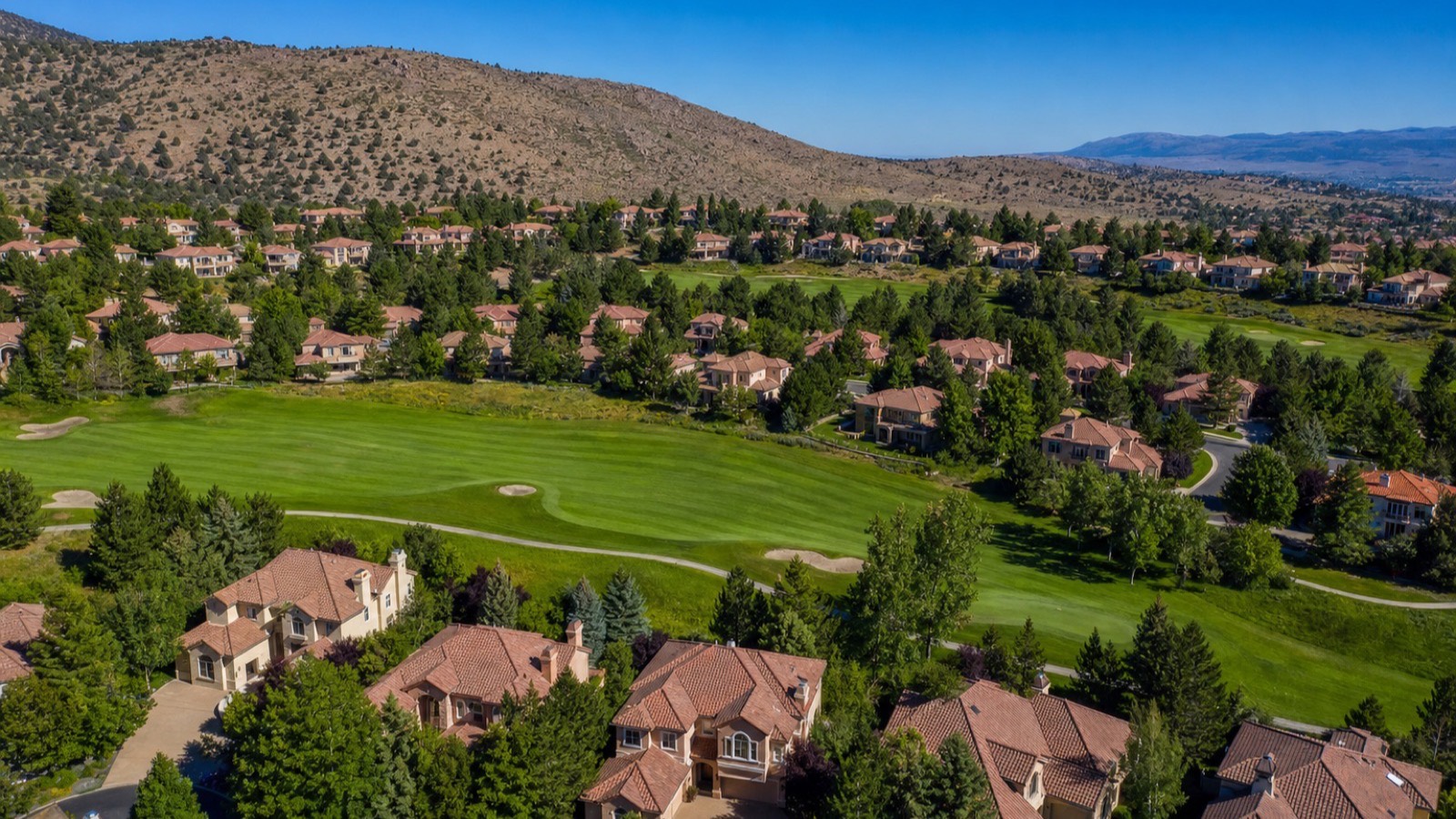
The headline driver is the Tahoe-Reno Industrial Center east of town, anchored by Tesla's Gigafactory alongside major logistics and data-center operations. The University of Nevada, Reno feeds talent into a growing tech and healthcare base, Renown Health anchors a genuine regional medical hub, and the airport supports business travel without a connecting flight. In my experience, this job diversity is what makes Reno's housing demand durable: when one sector slows, others hold, which steadies home values through cycles in a way single-industry metros never manage.
There are two honest caveats. First, the absolute job pool is smaller than a major metro's, so a specialist in a narrow field may find exactly one plausible employer here — a real risk if that job ends. Second, a meaningful share of the region's growth has been in warehousing, manufacturing, and distribution roles clustered east along I-80, which shifts the housing math toward Sparks and the Lyon County corridor rather than the Reno foothills. Many of the buyers we've represented relocated for a tech or logistics role and were surprised how much the commute direction mattered to which neighborhoods actually worked for them. Workers heading to the industrial corridor should look hard at Sparks and Fernley before assuming they want a west-side address.
Is Reno Safe to Live In?
Safety is a top relocation question, and the honest answer is that Reno is safe in most of the neighborhoods where buyers actually shop — but, like any city, it varies sharply by area. According to FBI Uniform Crime Reports, Reno's citywide crime numbers are pulled up by a few older, denser corridors near downtown and east 4th Street, while the suburban neighborhoods register far lower rates. A citywide rate is an average of very different places, and nobody lives in an average.
The safest areas — Northwest Reno, Somersett, Caughlin Ranch, Damonte Ranch, and the Old Southwest — feel like quiet, family-oriented suburbs, and they compare favorably to mid-range Western suburbs on the published figures. The practical takeaway for a buyer is to evaluate the specific neighborhood and ZIP code rather than the citywide average, which is true in every city in America.
Here is the method I give every relocating client, because it beats any published ranking. Drive the specific block at three different times: a weekday morning, a weekday evening around six, and a Saturday night. You learn more about a street in those three passes than in any amount of online research, because you see who is out, how the parking works, how the lighting performs, and whether the through-traffic is neighbors or strangers. Then pull the police department's own reporting for that beat rather than a national aggregator, and ask your agent what has actually traded on the street in the last year. We go deep on this in our companion guide, Is Reno, Nevada safe?, which breaks down crime by neighborhood and maps the areas families most often shortlist.
What Are the Best Neighborhoods to Live in Reno?
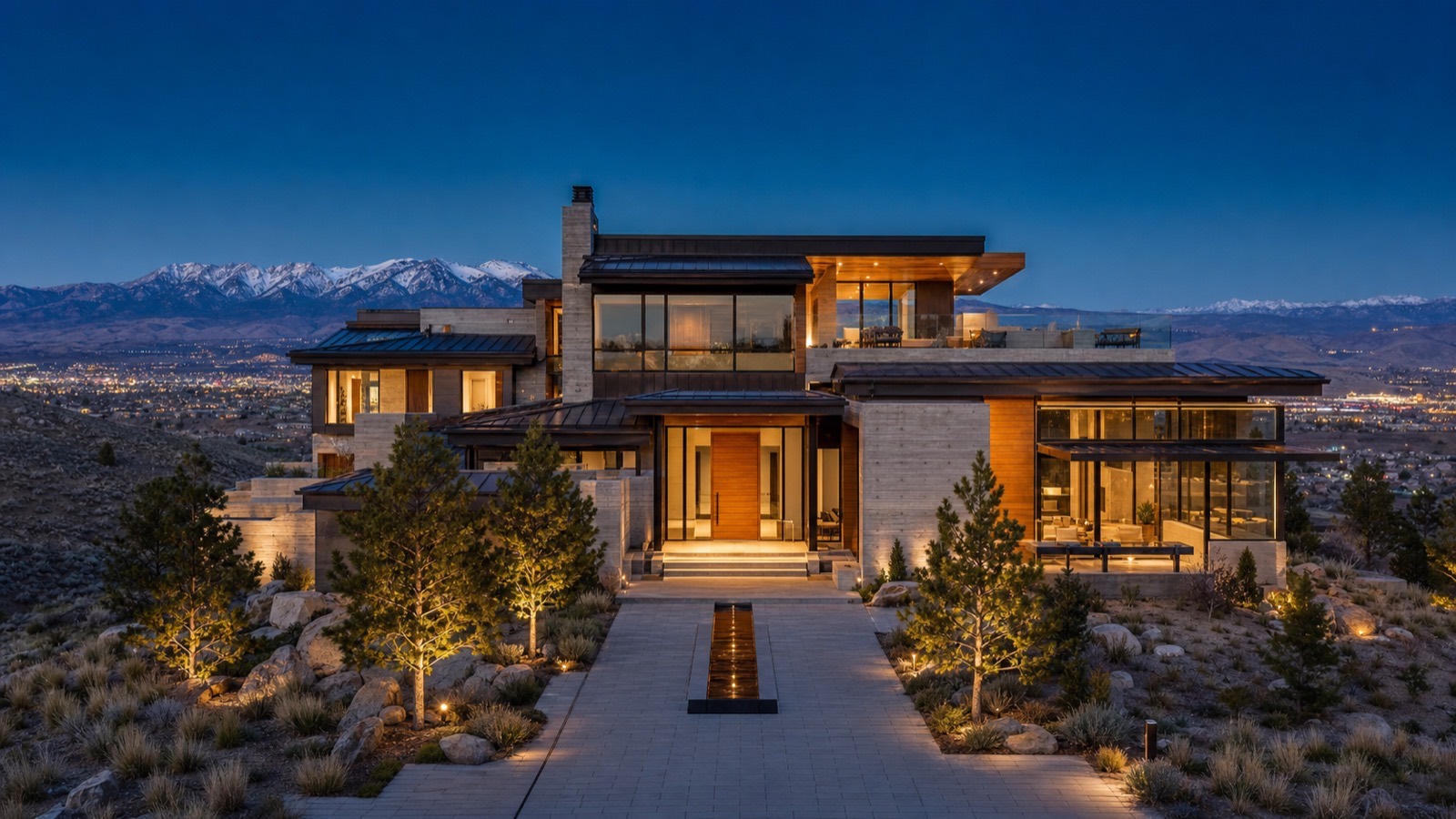
Reno's neighborhoods range from walkable historic districts to new master plans and foothill estates, each with its own price, pace, and character. Choosing the right one matters far more than the citywide statistics, and the fastest way to choose well is to look at price alongside speed and supply rather than price alone.
| Area | Median sold | Median days on market | Months of supply | Best for |
|---|---|---|---|---|
| Old Southwest and Midtown | $585,000 | 56 | 4.7 | Historic charm and walkability |
| Northwest Reno | $569,999 | 52 | 3.4 | Newer master plans, Sierra access |
| Caughlin and Mayberry | $846,000 | 52 | 4.2 | Established, trails, mature canopy |
| South Reno | $810,000 | 63 | 4.2 | Newer family homes, most selection |
| Spanish Springs and north Sparks | $585,000 | 62 | 4.2 | Most house per dollar, new builds |
| North Valleys | $459,000 | 56 | 3.5 | Entry pricing, fastest turnover |
| Downtown and university | $375,000 | 69 | 5.8 | Condos, lofts, walkable urban life |
Read the supply column as a measure of your own leverage. The North Valleys at 3.5 months and Northwest Reno at 3.4 are the tightest markets in the city, which means well-priced homes there leave quickly and a buyer needs to be pre-approved and decisive. The downtown and university area at 5.8 months is the loosest, which means a condo buyer there can negotiate in a way a Northwest Reno buyer cannot. South Reno carries the most listings of any area at 450 actives, so it offers the widest selection at the cost of the slowest median pace at 63 days.
We break all of them down in our best neighborhoods in Reno guide, and a Reno real estate agent can match the right area to your budget, commute, and school priorities. If you want to compare the three areas families shortlist most often side by side, start with our South Reno versus Spanish Springs versus Northwest Reno breakdown.
Is Reno a Good Place to Raise a Family?
For families, Reno's case rests on four things: a short commute, genuine open space, a single unified school district, and neighborhoods where the housing stock was actually built for households with children. The commute number is the quiet advantage — 20.3 minutes on average in Reno and 22.5 across Washoe County per the American Community Survey for 2020-2024. That is roughly half of what a Bay Area or Southern California family typically absorbs, and over a school year it returns hundreds of hours to your household.
Open space is the second pillar. According to the City of Reno, the city maintains 87 park facilities, anchored by Rancho San Rafael Regional Park at 580 acres on the north side. The Truckee River Whitewater Park runs 2,600 feet through the middle of downtown, which means a family can watch kayakers on a weekday evening without leaving the city center. In neighboring Sparks, the Sparks Marina delivers roughly 77 surface acres of water with a two-mile paved loop around it. Mt. Rose sits about 25 minutes from the airport for winter sports, and Lake Tahoe is roughly 30 minutes from downtown — close enough that families here treat both as ordinary weekend options rather than vacations.
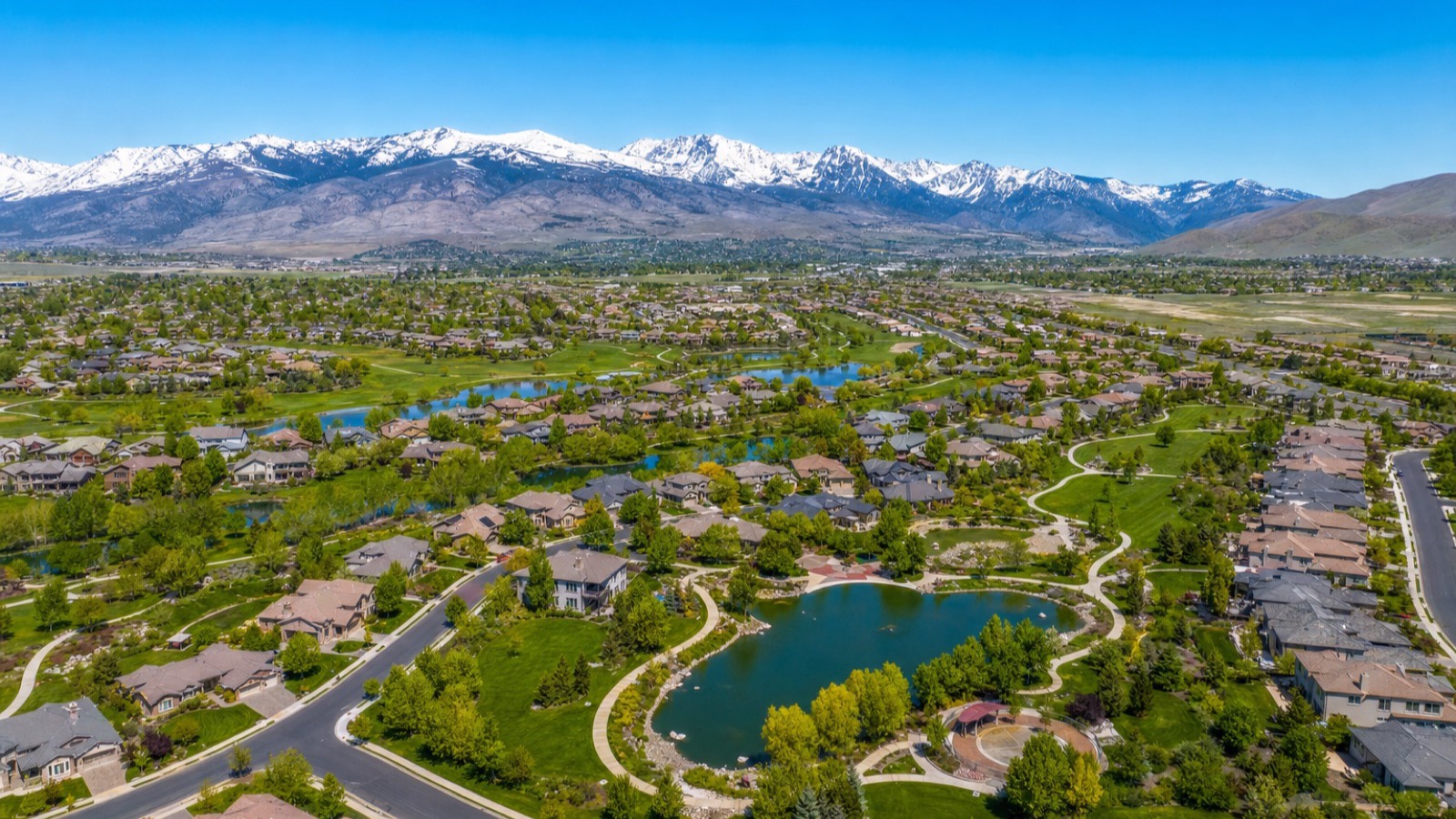
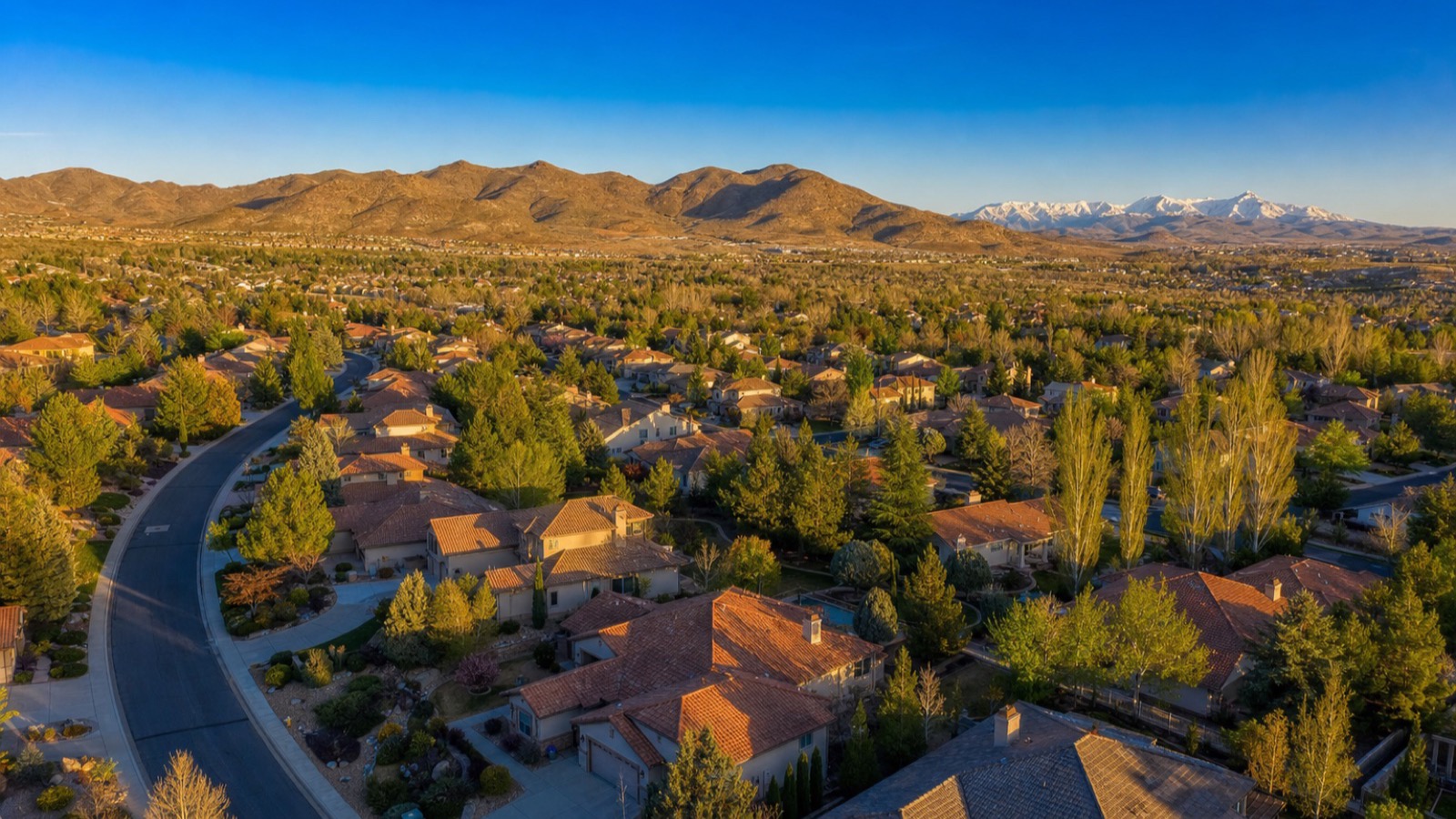
The third pillar is the neighborhood shortlist, and in my experience it comes down to five. South Reno, including Damonte Ranch and South Meadows, carries the newest family housing stock and the most selection, at an $810,000 area median on a 63-day clock. Spanish Springs in Sparks delivers the most house per dollar at a $585,000 median, with 17% of its closings being homes built in 2025 or later — the highest new-build share in the region. Northwest Reno at $569,999 combines newer master plans with the tightest supply in the city at 3.4 months. Somersett offers a golf, trail, and amenity package with 115 closings at an $800,000 median over the last twelve months. Caughlin Ranch anchors the established end at $846,000 for the surrounding area, with mature trees and a trail network that newer master plans will not match for thirty years.
| Neighborhood | Median sold | Housing stock | The family trade-off |
|---|---|---|---|
| South Reno / Damonte Ranch | $810,000 | Mostly post-2000 master plan | Most selection, slowest 63-day pace |
| Spanish Springs | $585,000 | 17% built 2025 or later | Best value, longer drive to west Reno |
| Northwest Reno | $569,999 | Mixed master plan and infill | Tight 3.4-month supply, move fast |
| Somersett | $800,000 | Golf and trail master plan | Amenities and HOA dues together |
| Caughlin Ranch | $846,000 | Established, mature canopy | Character and trails at a premium |
The fourth pillar is the district, and it gets its own section below — because in a metro growing this fast, the school your address feeds into is the single most volatile variable in the whole decision.
What Are the Schools Like in Reno and How Do WCSD Zones Work?
Every public school in Reno and Sparks belongs to one district: the Washoe County School District, which serves 59,565 students across 6,316 square miles. That single-district structure is genuinely useful for a relocating family, because it means one calendar, one transfer process, and one boundary map rather than the patchwork of separate districts that complicates house-hunting in most metros of this size.
The most important practical step is also the one families skip. According to the Washoe County School District, attendance is assigned by boundary, not by neighborhood reputation, and the district publishes a "Find My Zoned School" mapping tool for exactly this purpose. Run every address you are serious about through that tool before you write an offer. Two houses on opposite sides of the same street can feed different elementary schools, and in a district adding students this fast, the boundary is the fact and the neighborhood's reputation is the rumor.
Boundaries here genuinely move. The district approved a set of boundary changes in December 2025 that take effect in the 2028-29 school year, which means a family buying today should understand both the current assignment and the approved future one. Names move too: the district renamed Pine Middle School to Smithridge Elementary on September 9, 2026. Neither of those is a reason to avoid Reno; they are reasons to verify rather than assume, and to ask the listing agent what the approved changes do to that specific address.
On ratings, I am going to be more careful than most guides. Nevada released its 2025-26 star ratings under the Nevada School Performance Framework on September 15, 2026, and they are the right primary source — but the state's portal at nevadareportcard.nv.gov renders only as a JavaScript application, and the secondary sites republishing per-school numbers contradicted their own guides on several Reno high schools when we checked on September 19, 2026. So I will not attach a star count to a named school in this guide. Pull the rating for your specific school from the state portal or the district directly, and treat any blog that lists star ratings without linking the official record as unverified.
Two program notes matter for older students. The district retired its Signature Academies model after 2025-26 in favor of a district-wide "CTE for All" approach, so the application landscape has simplified: only the Academy of Arts, Careers and Technology and the Debbie Smith Career and Technical Academy require applications, with the 2026-27 window running August 24 through October 16, 2026. If a career-and-technical pathway is part of your family's plan, those dates belong on your calendar alongside your closing date.
What Is Reno's Weather and Climate Like?
Reno surprises people with genuine four-season weather, because most expect Nevada to be all desert. Sitting at about 4,500 feet in the high desert just east of the Sierra, Reno gets warm, dry summers, crisp falls, real winters with periodic snow, and long, pleasant springs. The rain shadow of the Sierra is what makes it work: storms drop most of their moisture on the western slope, and Reno gets the sunshine with a fraction of the precipitation.
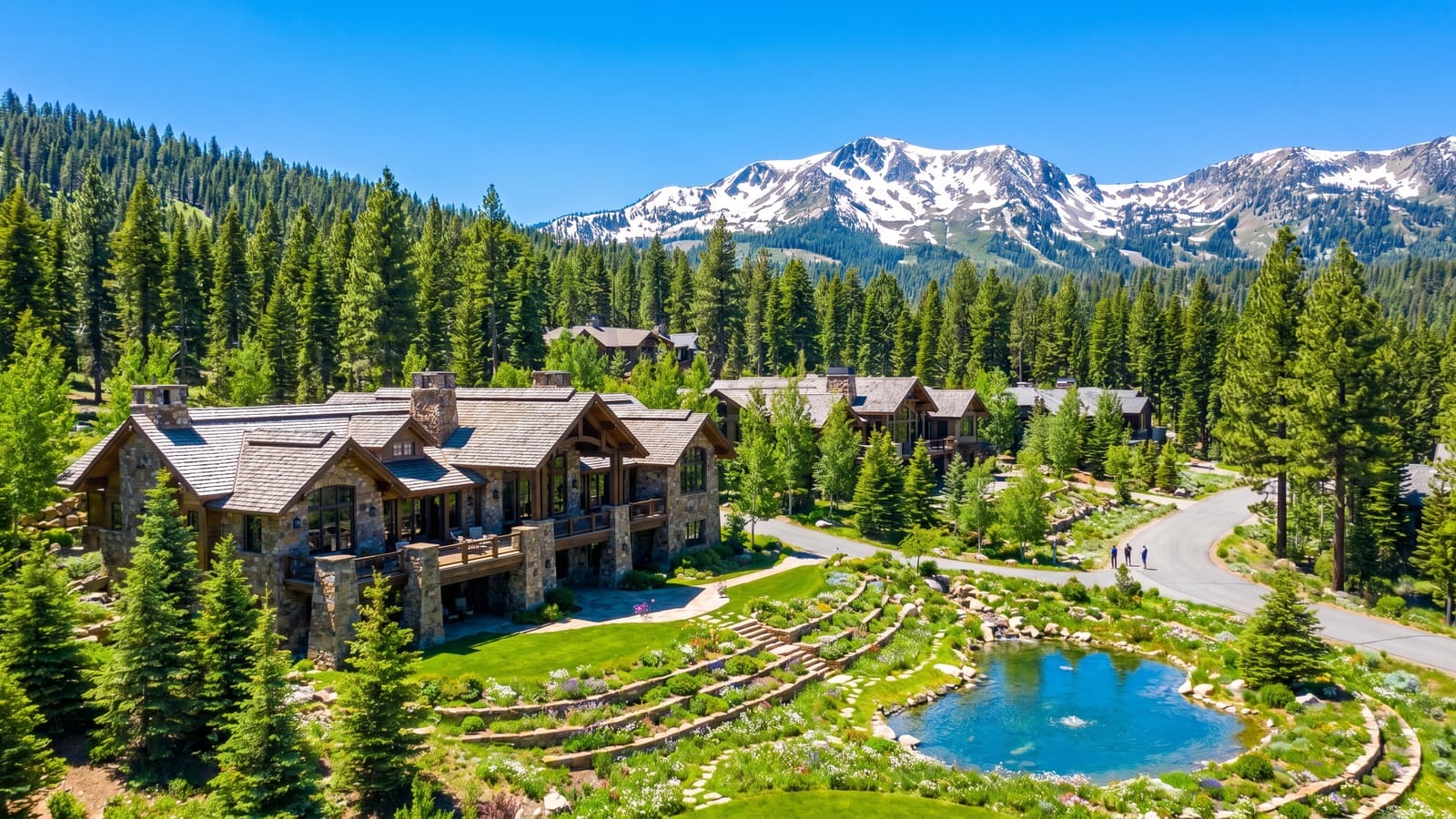
Here are the actual normals rather than the tourism-brochure version. According to NOAA's 1991-2020 climate normals for the Reno-Tahoe station, the city averages 20.9 inches of snow and just 7.35 inches of total precipitation a year, with a July average high of 93.9°F and a January average high of 47.7°F. You will see "300 days of sunshine" repeated across relocation sites; it is a marketing figure rather than a published normal, and I would rather give you the numbers the National Weather Service actually records.
For buyers, the practical implications are concrete. Budget for winter-rated tires and occasional snow removal, and understand that 20.9 inches spread across a season is very different from a single blizzard — most Reno snow melts off valley-floor streets within a day or two. Foothill neighborhoods like Somersett, Galena Forest, and the Mt. Rose corridor sit several hundred feet higher and hold snow materially longer than the valley floor, which is worth a conversation with your agent if a steep driveway would be a problem. The upside of the same geography is that heavier mountain snow is exactly what makes the ski season work 25 minutes up the hill, and the 93.9°F July high cools sharply at night thanks to the elevation and the dry air.
What Is There to Do in Reno?
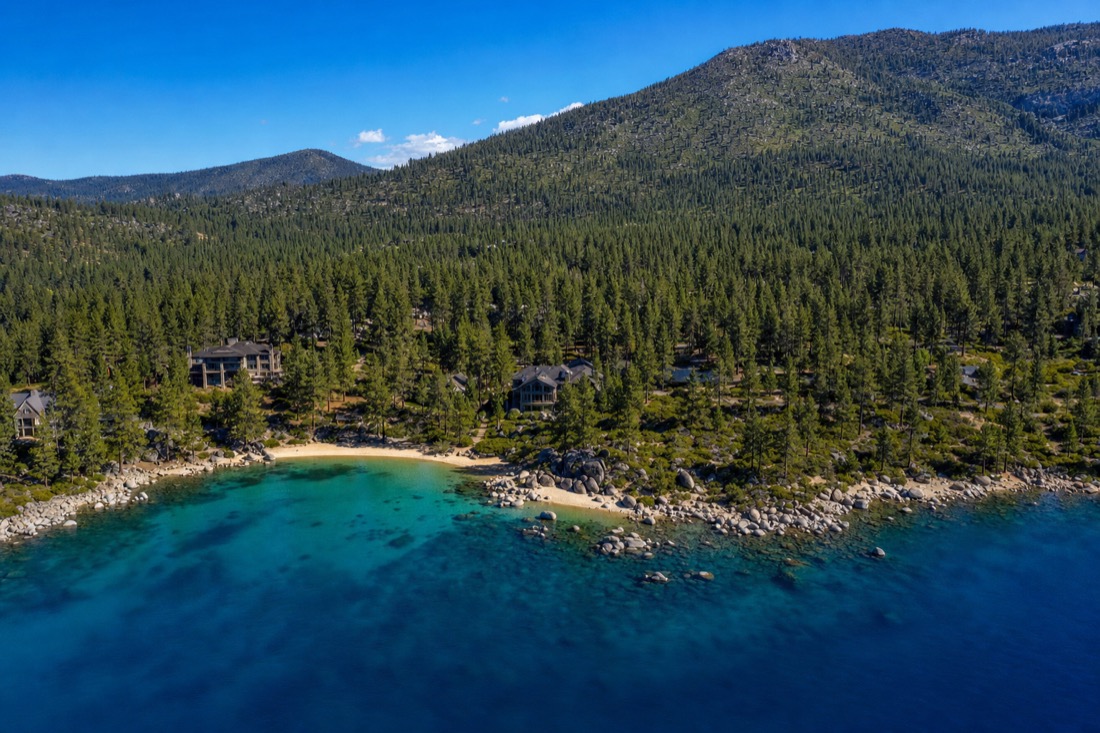
Reno's lifestyle is the quiet selling point that wins over skeptics. The obvious draw is the outdoors: Lake Tahoe is roughly 30 minutes from downtown for skiing and lake days, Mt. Rose is about 25 minutes from the airport, the Truckee River runs right through downtown with a 2,600-foot whitewater park, and the surrounding mountains offer year-round hiking, biking, and fishing.
Beyond the outdoors, Reno has reinvented its core. The Midtown district is now a walkable strip of restaurants, breweries, and shops; the downtown riverfront hosts festivals and the local arts scene; and the city retains its entertainment and dining options without big-metro congestion.
The cultural calendar is fuller than newcomers expect. Reno hosts Hot August Nights, the Great Reno Balloon Race, the Reno Air Races, Artown through July, and a strong farmers-market and food-truck scene through the warm months, plus the museums, theaters, and athletics tied to the University of Nevada, Reno. Burning Man stages out of the region each summer, adding an arts-and-maker energy that has reshaped the local creative scene. For families specifically, the Terry Lee Wells Nevada Discovery Museum sits downtown, Rancho San Rafael's 580 acres carry the balloon race and the arboretum, and the 87 city park facilities mean a playground is rarely more than a few minutes away.
For everyday life, the metro has the full slate of national retailers, a growing independent restaurant scene, and a regional medical hub anchored by Renown Health. The point for a relocating buyer is that Reno is no longer a one-note casino town: it has matured into a four-season city with genuine culture, recreation, and services, while staying small enough to cross in twenty minutes — which the 20.3-minute average commute confirms rather than contradicts. Many buyers split their time between a Reno home and a Lake Tahoe cabin. For the full relocation picture, see our moving to Reno hub, and for the lifestyle side, explore these Reno activities and local attractions.
How Does Reno Compare to Other Nevada Cities and California?
Buyers weighing Northern Nevada usually end up comparing four markets, and the numbers separate them cleanly. Over the twelve months ending September 18, 2026, Reno closed 3,801 homes at a $585,000 median. Sparks closed 1,614 at $534,990 — roughly $50,000 less for a city that shares the same air, the same district, and the same airport. Within Reno itself, the North Valleys closed at $459,000 and the downtown and university area at $375,000, which means the cheapest Reno is cheaper than most of Sparks.
Push further east or south and the discount deepens again. Dayton in Lyon County ran a $474,950 median list on our July 2026 pull with a roughly 0.28-acre median lot — bigger land for less money, at the cost of thinner retail and a longer drive to anything urban. Carson City trades Reno's job breadth for state-government stability and a smaller-town pace. Each step outward buys space and costs selection, services, and commute minutes. Households whose search extends past the Truckee Meadows can compare the work, housing, and service considerations in our guides to moving to Fallon and living in Dayton.
Against California metros, Reno's pitch is straightforward: a fraction of the housing cost, no state income tax, and Sierra access — at the price of a smaller job market and real winters. According to the Federal Housing Finance Agency, Reno's home values, while up sharply over five years, remain well below comparable Northern California markets, and the income-tax differential compounds every year you stay. In my experience, the buyers who choose Reno over a coastal market want the four seasons and the outdoors as much as the tax math; the ones who choose it purely on price are the ones most likely to be surprised by their first January.
What Are the Pros and Cons of Living in Reno?
Every honest relocation answer needs both sides. On the plus side: no state income tax, a diversified job base of roughly 284,900 nonfarm positions at about 4.0% unemployment, a $585,000 median home price below comparable Western metros, a 20.3-minute average commute, four real seasons, 87 city park facilities, and Lake Tahoe roughly 30 minutes away. For remote workers and relocators from higher-tax states especially, the math is compelling and it compounds annually.
On the con side, the list is just as concrete. Winters are real, with 20.9 inches of average annual snow and occasional chain requirements on the Tahoe routes. The housing market has climbed sharply since 2019, so the bargains of a decade ago are genuinely gone. Traffic and growth are increasing as the metro expands, and the school district is redrawing boundaries through 2028-29 to keep up with it. The job market, while diversifying, is smaller than a major city's, which is a real risk for specialists in narrow fields. And the water picture in the high desert means new development connects only where resources are committed, which structurally constrains how fast supply can answer demand.
According to the U.S. Census Bureau, the metro's rapid growth is itself a double-edged sword: it signals demand and opportunity, and it also produces rising prices and congestion. The buyers who are happiest here weighed both columns honestly and decided the trade-offs fit their life, rather than discovering the second column after closing. If the cons list gave you pause on any specific line, that is the line to investigate before you tour, not after.
Who Is Reno Best For, and How Do I Buy Here?
Reno fits a few profiles especially well. Remote workers who can earn a coastal salary while paying Nevada prices and no state income tax get the single best arbitrage in the region. Relocators from higher-tax states chasing value and a 20.3-minute commute do nearly as well. Outdoor lovers who want Tahoe and the Sierra at the doorstep are buying a lifestyle no spreadsheet captures. Move-up families seeking more home for the money find it in South Reno and Spanish Springs. It fits less well for buyers who need big-city nightlife, a large job market in a narrow specialty, or a snow-free climate.
If Reno fits, the path is straightforward: get pre-approved, decide your neighborhood and must-haves, run every candidate address through the district's zone lookup, and work with an agent who closes here regularly and knows the new construction pipeline and off-market inventory. Pay attention to the supply numbers as you shop — an offer strategy that works in the downtown and university area at 5.8 months of supply will lose you a house in Northwest Reno at 3.4.
Relocating from out of state is routine for our Northern Nevada team: we coordinate virtual tours, lender introductions, a single efficient in-person trip, and a remote closing. Nevada Real Estate Group is the #1-ranked team in Nevada with 9,600+ closings and 789 transactions in 2025 alone, and our Reno agents work this market every week. When you need to sell an existing home to fund the move, our seller resources and a free home valuation map out the strategy so the two timelines actually meet. Reach our team through the contact page or call our Reno office at (775) 277-2120 — we're at 1755 E Plumb Ln in Reno — and we'll start with the honest version of whether this market fits what you're trying to do.
Frequently Asked Questions About Living in Reno
Is Reno a good place to live in 2026?
For most buyers, yes. Reno offers no state income tax, a diversified job base of roughly 284,900 nonfarm jobs at about 4.0% unemployment, a $585,000 median sale price across 3,801 closings in the twelve months ending September 18, 2026, a 20.3-minute average commute, four real seasons, and Lake Tahoe roughly 30 minutes away. The trade-offs are genuine winters averaging 20.9 inches of snow, a market that has climbed since 2019, and growing traffic. It fits remote workers, relocators, and outdoor families best.
Is Reno expensive to live in?
Reno is more expensive than the U.S. average on housing but materially cheaper than coastal California, and Nevada levies no state income tax. The median home closed at $585,000 in the twelve months ending September 18, 2026, against a median household income of $80,760 per the Census Bureau. At the 6.76% thirty-year rate Freddie Mac reported for the week of September 10, 2026, that median with 20% down runs about $3,039 a month in principal and interest before taxes, insurance, and HOA dues.
Is Reno a good place to raise a family?
It is a strong family market on the fundamentals: a 20.3-minute average commute, 87 city park facilities including the 580-acre Rancho San Rafael, a single unified school district serving 59,565 students, and Lake Tahoe and Mt. Rose within about half an hour. The neighborhoods families shortlist most are South Reno and Damonte Ranch, Spanish Springs, Northwest Reno, Somersett, and Caughlin Ranch. The one thing to verify rather than assume is the school assignment, because Washoe County boundaries are actively changing.
How do I find out which Reno school my address is zoned for?
Use the Washoe County School District's own "Find My Zoned School" mapping tool for the exact address, not the neighborhood name. The district serves 59,565 students across 6,316 square miles, and assignment follows boundary lines that do not always match how a subdivision is marketed. Boundary changes approved in December 2025 take effect in 2028-29, so ask about both the current and the approved future assignment. Nevada released 2025-26 star ratings on September 15, 2026 — pull those from the state portal directly.
Does it snow in Reno?
Yes. Reno sits at about 4,500 feet in the high desert and gets genuine winters. NOAA's 1991-2020 normals for the Reno-Tahoe station show 20.9 inches of average annual snowfall and 7.35 inches of total precipitation, with a January average high of 47.7°F and a July average high of 93.9°F. Valley-floor snow typically melts off within a day or two; foothill neighborhoods several hundred feet higher hold it longer. Budget for winter-rated tires and occasional snow removal.
What is the job market like in Reno?
Strong and diversifying. According to the Bureau of Labor Statistics, the Reno-Sparks metro carries roughly 284,900 nonfarm jobs at about 4.0% unemployment. The Tahoe-Reno Industrial Center anchored by Tesla's Gigafactory, plus data-center and logistics operations, has reshaped the economy well beyond gaming. The University of Nevada, Reno, Renown Health, and advanced manufacturing round out the base. The honest caveat is scale: a specialist in a narrow field may find only one plausible employer in the region.
Is Reno a good place to retire?
Reno is a strong option for active retirees: no state income tax, no tax on Social Security or pension income, four-season living, a real regional medical hub in Renown Health, and Lake Tahoe recreation nearby. Property-tax increases on an owner-occupied primary residence are capped at 3% a year under NRS 361.4723. The main considerations are winter weather and a housing market that has risen since 2019. Many retirees also weigh Carson City and the Carson Valley for lower prices.
Which Sources Inform This Reno Living Guide?
Home-price, days-on-market, and months-of-supply figures come from Nevada Real Estate Group's Northern Nevada MLS feed via Repliers, pulled September 19, 2026, covering closings from September 19, 2025 through September 18, 2026 with land excluded and actives as of September 18, 2026. Demographic, employment, climate, school, and parks figures come from the government sources below, each linked to the page that actually carries the claim. No competitor listing portals were used.
- U.S. Census Bureau QuickFacts — Reno, Nevada — population, income, and owner-occupied value
- U.S. Census Bureau American Community Survey — mean travel time to work, 2020-2024
- U.S. Bureau of Labor Statistics — Reno-Sparks MSA — employment and unemployment
- NOAA National Centers for Environmental Information — U.S. Climate Normals — 1991-2020 temperature, precipitation, and snowfall
- Washoe County School District — enrollment, zone lookup, boundaries, and CTE programs
- Nevada Report Card — Nevada School Performance Framework star ratings
- City of Reno — parks, facilities, and city services
- Reno/Sparks Association of REALTORS — regional market statistics
- Federal Housing Finance Agency — House Price Index
- Freddie Mac Primary Mortgage Market Survey — mortgage-rate benchmarks
- FBI Uniform Crime Reports — crime data
- Nevada Department of Taxation — Nevada tax framework
- Nevada Revised Statutes Chapter 361 — the 3% owner-occupied property-tax cap
- Northern Nevada Regional MLS (NNRMLS) — regional listing data backbone
This guide reflects conditions as of September 19, 2026 and is intended for informational purposes only. Consult a licensed Nevada real estate professional before making any purchase decision. Nevada Real Estate Group · Chris Nevada · License S.181401 · Reno office, 1755 E Plumb Ln, Reno, NV · (775) 277-2120.