
The Nevada side of Lake Tahoe is one of the most beautiful — and one of the most expensive — places to live in the entire state, and almost none of that cost shows up in a simple grocery-and-gas comparison. The real story is real estate: Incline Village and Crystal Bay sit among Nevada's priciest housing markets, and the numbers only make sense once you factor in Nevada's tax structure. This is the honest 2026 guide to what it actually costs to live on the Nevada shore — Incline Village, Crystal Bay, Zephyr Cove, Glenbrook, and Stateline — from housing and wildfire insurance to utilities, groceries, and the tax structure that quietly offsets a large chunk of the sticker shock.
Living on the Nevada side of Lake Tahoe in 2026 is expensive, and housing drives nearly all of it. In MLS sales from September 2025 through August 2026, Incline Village and Crystal Bay single-family homes sold for a median of about $2.38 million and condos for about $913,000, and 10 of 17 lakefront single-family sales topped $10 million. Insurers are pulling back near the lake. The offset: Nevada has no state income tax.
- Incline Village and Crystal Bay single-family homes sold for a median of about $2.38 million through August 2026.
- Insurers are pulling back near Tahoe, premiums rose statewide in 2023 and 2024, and Nevada has no FAIR Plan.
- Nevada charges no state personal income tax; California, on the other side of the same lake, does.
- IVGID's 2026-27 recreation and beach fees total $1,530 for most Incline Village and Crystal Bay parcels.
- Stateline single-family homes sold at a median near $1.32 million; Zephyr Cove and Glenbrook, near $2.42 million.
What Counts as the Nevada Side of Lake Tahoe in 2026?
Lake Tahoe straddles the California-Nevada state line, and the two shores could not be more different for a buyer. The Nevada side splits into two counties. On the north and east shore sits Incline Village and Crystal Bay, both in Washoe County — the residential heart of the Nevada shore, with the deepest inventory of homes, condos, and lakefront estates. Down the east shore in Douglas County sit Zephyr Cove, Glenbrook, and Stateline, a mix of forested lakeside enclaves and the casino corridor that anchors South Lake Tahoe's Nevada edge.
That distinction matters because your cost of living, your county tax bill, and even your school district all depend on which shore and which county you land in. These are small, high-value communities. According to the U.S. Census Bureau's QuickFacts, Incline Village, the largest community on the Nevada shore, counted 9,462 residents in the 2020 Census, and the Census Bureau's 2020 vacancy-status table counted 2,671 of its housing units as held for seasonal, recreational, or occasional use, the Census category for second and vacation homes. Crystal Bay counted 337 residents. A small year-round base and a large share of second homes are part of why costs run high: limited retail and limited services. Buyers relocating from a California metro or from the Nevada valley floor should understand the shore first, then the price. If you want to see current inventory across the whole Nevada shore, start with our Lake Tahoe hub before you zero in on any single village.
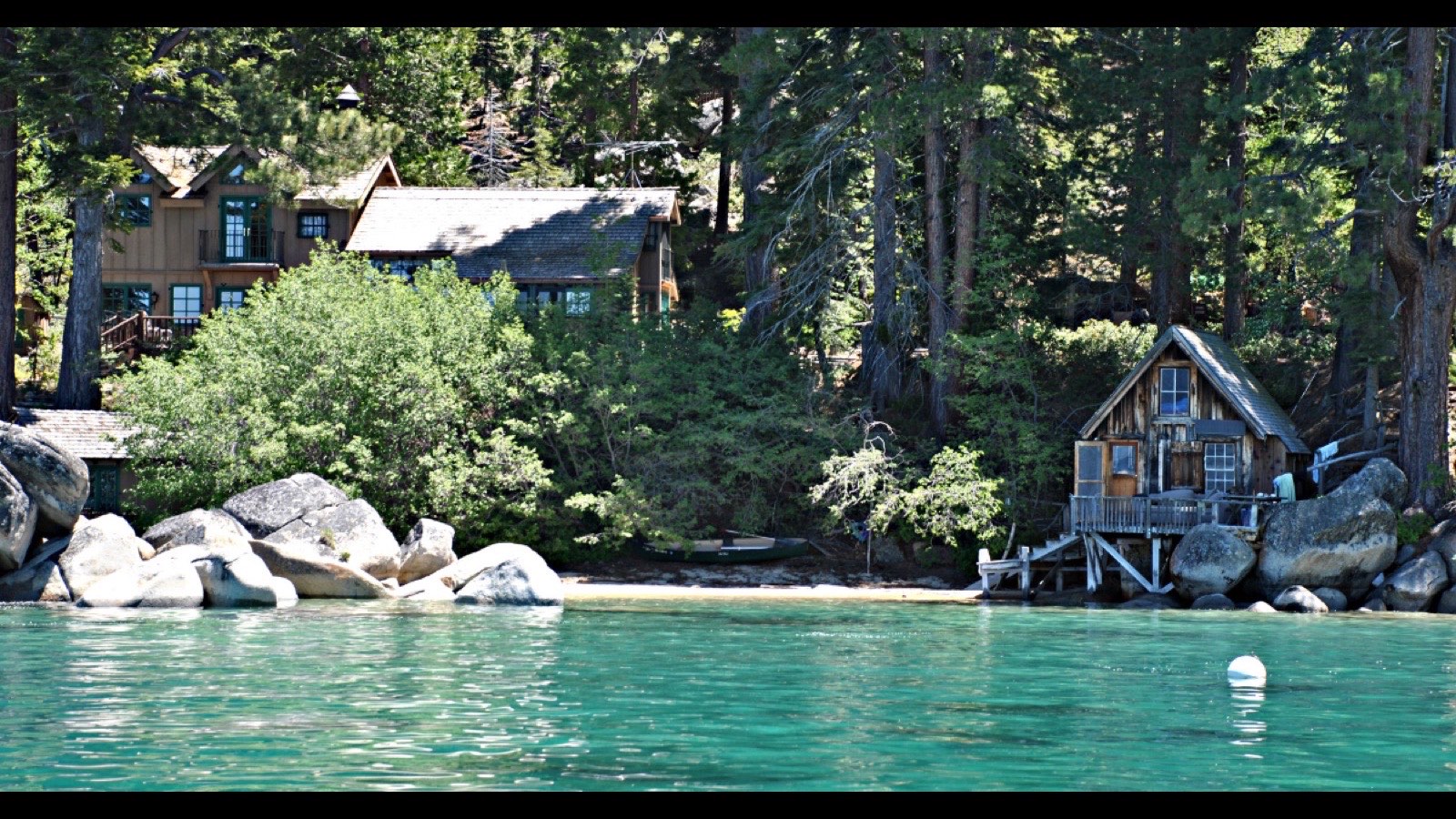
How Much Does Housing Cost on the Nevada Side of Lake Tahoe?
Housing is the headline, and there is no way to soften it: the Nevada shore is among the most expensive real estate in the state. According to the same Census Bureau QuickFacts table, the median value of owner-occupied homes in Incline Village was $1,454,600 in the 2020-2024 American Community Survey, against $548,300 in the City of Reno and $435,400 for Nevada as a whole. Recent single-family sales run higher. In our pull of the Incline Village–Lake Tahoe MLS, 164 single-family homes in Incline Village and Crystal Bay closed between September 1, 2025 and August 31, 2026 at a median of $2,381,500. The middle half sold between $1,675,000 and $3,862,500, five sold under $1 million, and 12 sold for $10 million or more.
Condos and townhomes are the relative value play on the shore — they open the door to Tahoe ownership below the detached-home price — but even those carry prices that would buy a substantial single-family home almost anywhere else in Nevada. Here is what each housing type sold for over those 12 months. Sample sizes are small, and the Douglas County rows count NNRMLS sales only, so price any specific address against current comps.
| Housing type and area | Sales | Median price | Middle half of sales |
|---|---|---|---|
| Condo / townhome, Incline Village and Crystal Bay | 134 | $912,500 | $675,000 – $1,232,700 |
| Condo / townhome, Stateline (ZIP 89449) | 77 | $660,000 | $415,000 – $2,100,000 |
| Single-family, Stateline (ZIP 89449) | 38 | $1,315,000 | $1,056,250 – $1,725,750 |
| Single-family, Incline Village and Crystal Bay | 164 | $2,381,500 | $1,675,000 – $3,862,500 |
| Single-family, Zephyr Cove and Glenbrook | 67 | $2,415,000 | $1,627,500 – $4,750,000 |
| Lakefront single-family, all five areas | 17 | $10,400,000 | $5,800,000 – $22,150,000 |
Across the 9,600-plus closed transactions Nevada Real Estate Group has handled statewide since 2011, the step that matters most for Tahoe cost is setting the housing type first — condo, mountain single-family, or lakefront — because those three paths price and insure very differently. Call our Northern Nevada team at (775) 277-2120 to run the all-in monthly math on any specific address, from mortgage and property tax to insurance and HOA. To browse live listings, start with Incline Village homes for sale.
Why Is Real Estate the Biggest Cost Driver at Lake Tahoe?
On the Nevada shore, real estate is not just one line in the budget — it is the line that swallows all the others. In a typical Reno or Carson City household, housing is a large share of monthly spending but groceries, transportation, and healthcare still register. At Tahoe, the sheer level of home prices means that a mortgage, property tax, and insurance on a $1.5 million home dwarf every other category combined. That is the defining feature of the market: your cost of living here is, first and foremost, your cost of housing.
The reason is supply. According to the U.S. Forest Service Lake Tahoe Basin Management Unit, the Forest Service manages more than 156,300 acres of national-forest land around the lake, and according to the Tahoe Regional Planning Agency, a development-rights system adopted in 1987 caps the total amount of development potential in the basin. You cannot simply build more subdivisions on the shore the way you can on the valley floor. That scarcity is part of why single-family homes on the Nevada shore rarely sell for less than $1 million: only 13 of the 269 single-family sales across the five areas in our 12-month pull did. In my experience representing buyers across Northern Nevada, the clients who understand this scarcity story stop comparing Tahoe to Reno on a price-per-square-foot basis and start evaluating it on its own terms — as a supply-constrained mountain market where the land itself is the asset.
How Much Does Home and Wildfire Insurance Cost at Lake Tahoe?
This is the cost most likely to surprise a buyer moving from a lower-risk area. Tahoe sits in a wildland-urban interface — homes nestled directly against forest — which places it in an elevated wildfire-risk category. According to The Nevada Independent's July 2026 reporting on Nevada Division of Insurance data, about 2,700 Nevada homeowners policies were canceled or not renewed over wildfire concerns in 2024, the most the Division is aware of, and declined requests for new coverage rose from about 2,400 in 2022 to 13,600 in 2024, more than 6,000 of them in Washoe County, which includes Incline Village and Crystal Bay.
The practical effect for a Tahoe buyer is threefold. First, premiums are rising. According to the Nevada Division of Insurance's 2025 Insurance Market Report, Nevada's home insurance market was challenged in 2023 and 2024 by rising premiums, and most rate changes the five largest home insurance groups made in those years were increases, including a 22.771% overall change for 58,098 Farmers Insurance Exchange policyholders, effective for new business on November 17, 2023. Those are statewide figures; I have not found a published premium average for the Tahoe shore, so price coverage on the specific address. Second, availability is no longer guaranteed. The same report found forty ZIP codes where wildfire-related cancellations, nonrenewals and declined applications were much more frequent than the statewide average, concentrated in Washoe County, Carson City and Douglas County, and said homes near Lake Tahoe are particularly affected. You may need to shop multiple carriers or work with a specialty broker to place coverage on a forested property. Third, when the standard market will not write a policy, there is no state backstop: Nevada has no FAIR Plan, the insurer of last resort some states run, because AB437, the 2025 bill that would have created one, stopped in the Assembly on April 23, 2025. Our Northern Nevada wildfire insurance guide covers what that leaves a buyer. Here is how the major cost categories on the Nevada shore stack up, and why insurance now demands its own line in every buyer's budget.
| Cost category | Nevada-side Lake Tahoe | Reno-Sparks valley | Why the gap |
|---|---|---|---|
| Housing | Very high (single-family medians $1.3M to $2.4M) | Washoe County median $595,000 (September 2026) | Basin scarcity, restricted supply |
| Home insurance | Harder to place near the lake (Division of Insurance) | Varies by ZIP code | Wildland-urban-interface fire risk |
| Utilities / heat | Higher (real winters) | Lower | Altitude, snow, heating load |
| Groceries / fuel | Premium | Baseline | Mountain logistics, limited retail |
| State income tax | $0 | $0 | Nevada levies none statewide |
The insurance line is why I tell every Tahoe buyer to get a coverage quote before falling in love with a specific house. In my experience, the single biggest budget surprise a Nevada-shore buyer can hit is discovering after the offer that a forested property is difficult or expensive to insure — a problem far cheaper to solve during due diligence than after closing.
What Do Utilities and Winter Heating Cost at Tahoe?
Unlike the desert valleys, Tahoe has real winters — deep snow, sustained sub-freezing stretches, and a heating season that runs long. That translates directly into higher utility bills than a comparable home in Reno or the Southern Nevada valley. Homes on the shore lean on natural gas, propane, electric heat, or a combination, and a large mountain home with high ceilings and lots of glass can run a meaningful monthly heating bill through the coldest months. Snow load also means seasonal costs a valley owner never thinks about: snow removal, roof management, and heat tape to prevent ice dams.
Heating cost scales with both climate and home size, and Tahoe pushes both up: the median single-family home that sold in Incline Village and Crystal Bay in our 12-month pull had 2,624 square feet. I have not found a published average utility bill for the Nevada shore, so ask the seller for 12 months of electric and gas bills on any home you are considering. A buyer moving from a 2,000-square-foot Reno house into a 3,500-square-foot Tahoe mountain home should expect utilities and seasonal maintenance to climb, from both the extra square footage and the longer heating season. Snow-country living carries a real operating cost, and it is one of the easiest lines to underestimate when you tour a property on a bluebird summer day. A home that feels effortless on a July tour carries a very different monthly bill in February.

How Much More Do Groceries and Fuel Cost at the Lake?
Everyday costs at Tahoe carry a quiet premium that adds up over a year. The reason is logistics: groceries, fuel, and retail goods have to be trucked up the mountain to a small, seasonal population, and the shore has limited retail competition compared to a valley metro. There is no big-box price war on a small mountain shore: Incline Village, the largest community on it, counted 9,462 residents in the 2020 Census. That means the same cart of groceries or tank of gas generally costs more at the lake than it does down the hill in Reno or Carson City.
The larger stores are down the hill in Reno and the Carson Valley, so a periodic stock-up trip there trades drive time for lower prices. No government price index covers grocery or fuel prices on the Nevada shore, so I can't put a percentage on the premium; compare a few receipts from the lake and from the valley before you set a budget. If you will live at the lake full time, plan stock-up runs around trips you already make down the hill, such as appointments, errands, or flights out of Reno. Budget a premium on groceries, fuel, and dining, and understand that convenience at the lake comes at an ongoing markup. If your relocation math is tight, our Reno relocation guide breaks down the valley-floor alternative.
Why Does Nevada's Tax Structure Offset the High Cost of Living?
Here is the single most important number in this entire guide, and it is a zero. According to Article 10, Section 1 of the Nevada Constitution, "No income tax shall be levied upon the wages or personal income of natural persons," so Nevada levies no state personal income tax — none on wages, none on capital gains, none on retirement income. That zero is the line that most changes the math on the Nevada shore's high housing cost, because a home on the California side of the very same lake comes with California's state income tax.
The contrast is stark. A household earning several hundred thousand dollars a year that would owe a substantial state income-tax bill in California owes nothing on that income to Nevada. Over a decade, that difference can total hundreds of thousands of dollars — enough to fund a large share of a Tahoe mortgage. Layer on Nevada's relatively low property taxes, and the total tax picture on the Nevada shore is friendlier than the California shore just a few miles away. Incline Village and Crystal Bay are assessed by the Washoe County Assessor, which publishes its tax-cap and abatement rules, and Zephyr Cove, Glenbrook, and Stateline by the Douglas County Assessor. In both counties, state law caps how much a home's tax bill can rise each year, as the ownership-cost section below explains.
That tax offset does not make Tahoe cheap — nothing makes a $1.5 million home cheap — but it reframes the whole equation. Buyers should run the full picture: yes, the house costs more and insurance costs more, but the income-tax savings can offset a large chunk of that annually. In my experience, the most useful step before a move to the Nevada shore is doing this math honestly, treating the tax savings as a real, recurring offset rather than a one-time talking point.
What Is IVGID and How Does It Affect Your Costs?
Incline Village and Crystal Bay have a cost-and-benefit line that no other Nevada community shares: the Incline Village General Improvement District, or IVGID. According to the Incline Village General Improvement District, IVGID is a local government body that owns and operates a remarkable slate of recreation amenities on behalf of residents — including beaches, two golf courses, a ski resort (Diamond Peak), a recreation center, and more.
For a resident, IVGID is both a cost and a perk. Property owners pay an annual Recreation Facility Fee, plus a Beach Facility Fee on most parcels, $1,530 combined for 2026-27 (detailed below), and in exchange they receive access privileges — on beach-access parcels, free admission to Incline Beach, Ski Beach, and Burnt Cedar Beach for pass holders, with guest admission for a fee. This is a genuine value proposition: the beach and recreation access that IVGID provides would be expensive to replicate privately, and in my experience it is part of what buyers pay for in Incline Village. But it is a real line in your annual budget, and a buyer should understand exactly what the recreation fee is and what it conveys before closing. Get the IVGID picture for a specific parcel up front, because beach access alone can be the deciding factor between two otherwise similar homes.
How Does Incline Village Compare to Crystal Bay, Zephyr Cove, and Stateline?
The Nevada shore is not one market — it is several, and the differences drive price, taxes, and amenities. Incline Village is the largest, with the deepest inventory and IVGID's beaches, golf courses, ski area, and recreation center. Crystal Bay, immediately adjacent, shares Washoe County and IVGID with Incline but is a smaller area, including some of the shore's most storied lakefront estates. Together they form the residential core buyers most often start with — explore the Incline Village community page for the full breakdown.
Down the east shore in Douglas County, Zephyr Cove and Glenbrook are almost all single-family: 67 of the 73 home sales there in our 12-month pull were detached houses. Stateline anchors the south end, blending residential enclaves with the Nevada casino corridor and the closest proximity to South Lake Tahoe's shops, dining, and the Heavenly ski resort. The Stateline area gives buyers a different tradeoff: casino-corridor and South Lake Tahoe services close by, and a Douglas County tax bill. Here is how the Nevada shore's main sub-areas compare on county, price, fees, and housing stock.
| Factor | Incline Village / Crystal Bay | Zephyr Cove / Glenbrook | Stateline |
|---|---|---|---|
| County | Washoe | Douglas | Douglas |
| Median single-family sale (Sep 2025 – Aug 2026) | $2,381,500 | $2,415,000 | $1,315,000 |
| Setting and amenities | IVGID beaches, golf, ski | East shore, between Incline Village and Stateline | Casinos, dining, Heavenly |
| IVGID fee (2026-27) | $1,530 most parcels; $1,385 without beach access | None (outside IVGID) | None (outside IVGID) |
| Typical home types | Condos, single-family, lakefront | Mostly single-family | Condos, townhomes, single-family |
How Do Ownership Costs Differ Across the Five Nevada-Shore Areas?
All five areas share Nevada's zero state income tax, so the cost differences between them come from the county line, district fees, and the housing stock. According to the Incline Village General Improvement District, Incline Village and Crystal Bay are unincorporated areas of Washoe County, and IVGID provides their water, sewer, trash, and recreation services. Zephyr Cove, Glenbrook, and Stateline sit in Douglas County, outside IVGID, and are assessed by the Douglas County Assessor rather than Washoe's.
The largest fixed-fee difference is the IVGID charge. According to IVGID's passes and punch cards page, the board set the 2026-27 Recreation Facility Fee at $1,385 and the Beach Facility Fee at $145, a combined $1,530 for most parcels, and the Recreation Facility Fee appears on the Washoe County tax bill. Parcels without beach access pay the recreation fee only and do not receive beach privileges. A Douglas County shore parcel carries no IVGID fee, but it can carry association dues and its own water and sewer charges, so ask for both on any address.
The housing stock differs as well. In our 12-month pull, condos and townhomes sold for a median of $912,500 in Incline Village and Crystal Bay and $660,000 in Stateline, and they come with HOA dues. Single-family homes sold for a median of $2,381,500 in Incline Village and Crystal Bay, $2,415,000 in Zephyr Cove and Glenbrook, and $1,315,000 in Stateline. Of the 17 lakefront single-family sales across the five areas, 10 closed at $10 million or more. On any single-family address, check whether an association applies before you build the budget.
Which property-tax cap applies depends on how you use the home, not which county it sits in. Under NRS 361.4723, a single-family home that the owner designates as their Nevada primary residence qualifies for a 3% cap on annual tax-bill increases, but a new owner has to claim it, on the county assessor's form or on the declaration of value at closing. A second home, or a home rented to others, generally falls under NRS 361.4722 instead, where the cap is the greater of the county's 10-year average change in assessed value or twice the prior year's CPI increase, but never more than 8%. When the general cap runs above 3%, the difference compounds year over year.
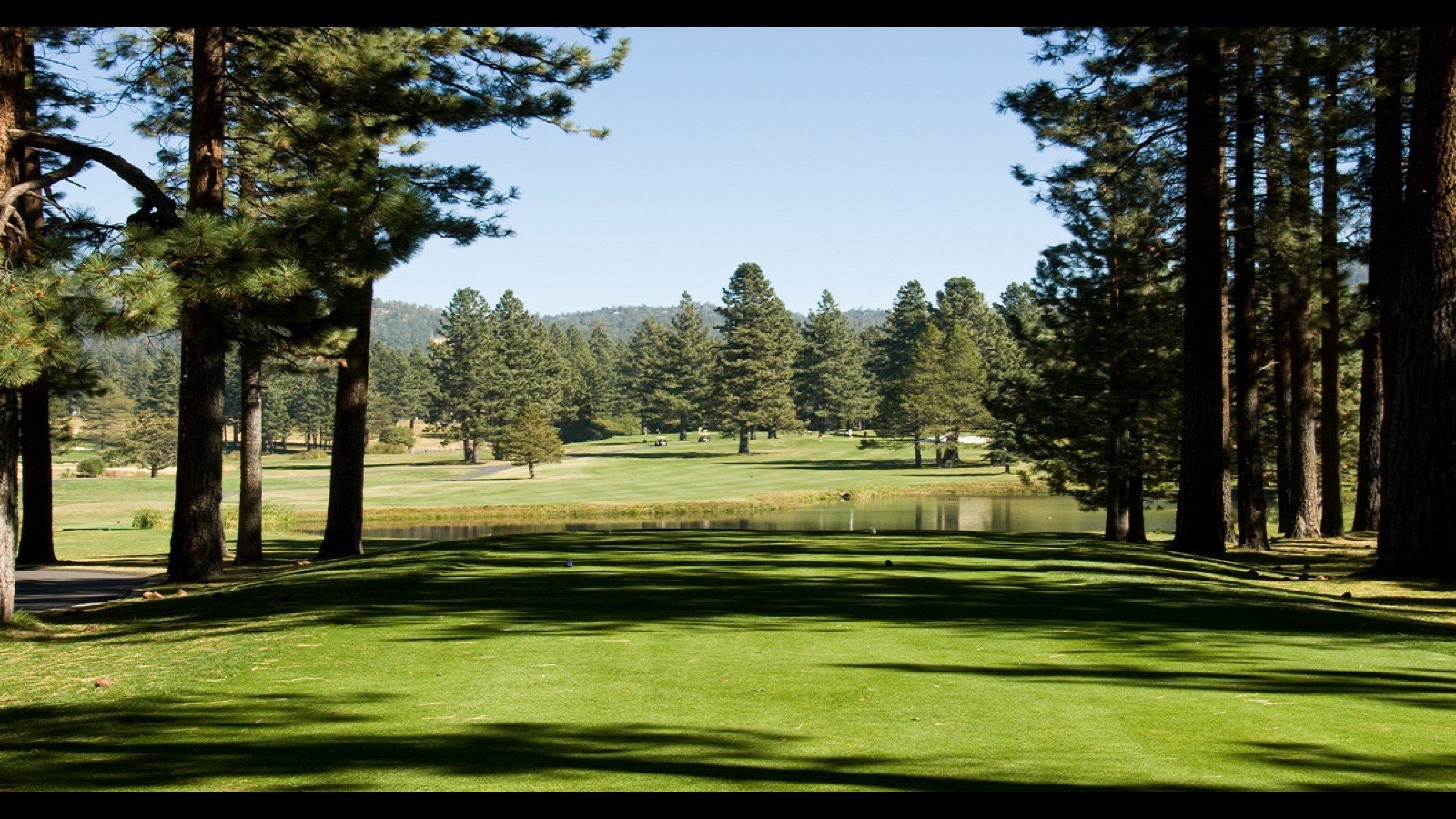
Services sit unevenly along the shore. Stateline is next to South Lake Tahoe's shops and dining, the casino corridor, and Heavenly. Incline Village and Crystal Bay have IVGID's beaches, two golf courses, Diamond Peak, and the recreation center. Zephyr Cove and Glenbrook sit between them on the east shore. The larger grocery and big-box stores are down the hill in Reno and the Carson Valley. If the shore's price bands sit above your budget, our Reno and Carson City pages show valley-floor listings to compare, and our Northern Nevada team at (775) 277-2120 can run the all-in annual number — mortgage, property tax, insurance, IVGID or HOA fees, and utilities — for any address on either side of the hill.
For school information, see our guide to Nevada-side Lake Tahoe schools, then confirm the exact attendance area for any address with the school district.
How Does the Nevada Shore Compare to the California Side on Cost?
This is the comparison that drives more Tahoe purchase decisions than any other, and the answer is almost always the same: the higher the household income, the more the Nevada shore wins on total cost, and it is the tax code that does the winning. The two shores share the same lake, the same views, and often the same weather — but they answer to two very different state governments. California levies a state income tax that is among the highest in the nation on top earners; Nevada levies none. For a household with substantial income, that single difference can outweigh every other cost consideration combined.
The California side has its own appeal — more towns, more services, deeper south-shore infrastructure — but a buyer optimizing for cost of living will find the math points to Nevada. The catch is that everyone knows this, which is part of why Nevada-shore inventory is thin and prices are firm. In my view, demand for the Nevada shore stays durable because the tax advantage is structural, written into the state constitution, not a passing market trend. In my experience, the cleanest way to frame it for a cross-shore buyer is this: you are not just buying a house on Lake Tahoe, you are buying a state of residence — and on the Nevada side, that residence pays you back every April.
What Are the Hidden Costs of Living at Lake Tahoe?
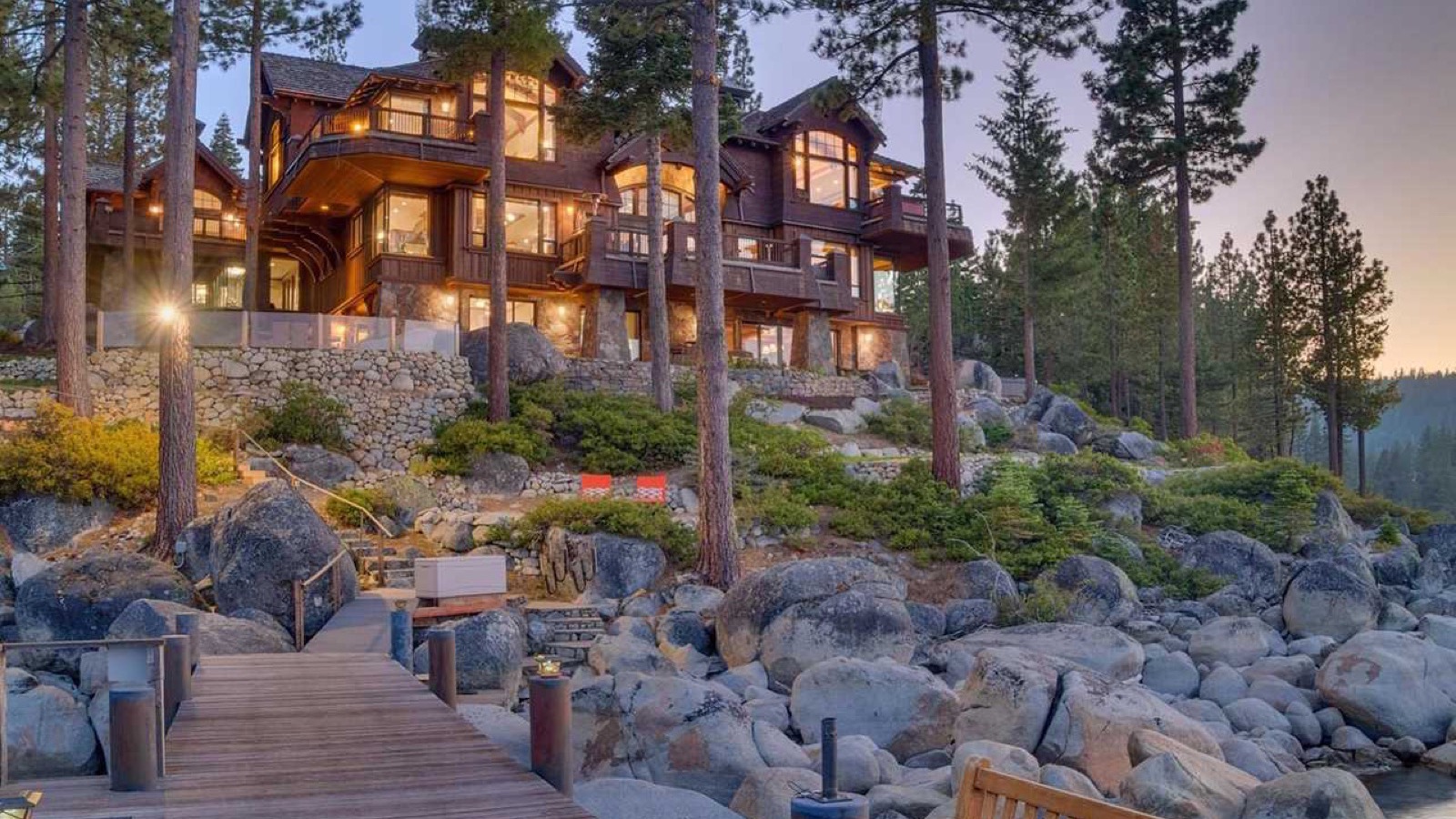
Every mountain market has gotchas, and honesty about Tahoe's helps you buy smart. First, seasonal maintenance: snow removal, roof and gutter management, heat tape, and defensible-space brush clearing for wildfire mitigation are recurring costs a valley owner never faces. Second, the empty-months carry: a second home you occupy part-time still costs a full year of mortgage, insurance, property tax, HOA, and utilities, so the true annual cost per night of use can be steep for an occasional owner. Third, HOA and IVGID fees: many shore communities layer association dues on top of the recreation fees, so always sum the full monthly and annual obligations, not just the mortgage.
Fourth, water and sewer: according to IVGID's public works history, a state and federal mandate around 1970 ended septic tanks in the Tahoe Basin and required treated effluent to be exported out of the basin, so sewer service comes from a district rather than a tank in the yard. Outside IVGID, the water and sewer provider and its charges vary by address, so ask the seller for recent bills. Wildfire coverage is the single most volatile line in the budget, so re-quote insurance annually rather than assuming a flat premium. None of these are dealbreakers; they are reasons to buy on the Nevada shore with a local agent who knows how each community handles snow, water, fire mitigation, and fees — because on a mountain shore, those operating details are where a surprising share of the true cost of living actually lives.
How Is the Lake Tahoe Nevada Market Trending in 2026?
The Nevada shore behaves differently from the valley floor this cycle, and understanding why helps you time a purchase. According to Sierra Nevada REALTORS' September 2026 market report, the median sale price for all residential property in Washoe County was $595,000, up 9.7% from September 2025, while active inventory fell 19.9% to 1,196 listings. The Tahoe shore, however, marches to its own rhythm — it is a scarce, high-end, second-home-heavy market where a handful of transactions can move the reported numbers: our 12-month pull found only 17 lakefront single-family sales across all five areas.
The lakefront and luxury tiers are the ones to watch most closely. These are thin, trophy segments where a single well-priced listing can move quickly while an overpriced one sits for a year. Some east-shore estates trade off-market between qualified buyers, while ambitiously priced lakefronts can linger through multiple seasons. That granularity is why Tahoe rewards patience and genuine local comps over any statewide rule of thumb. For sellers, the 2026 playbook is precise pricing plus honest presentation of the setting, the amenities, and the tax story — the elements a valley listing simply cannot claim.
For buyers, the takeaway is that the Nevada shore is a conviction market, not a bargain hunt. You buy here for the lake, the mountains, the amenities, and the tax structure — and you accept prices well above the valley floor's. If you are weighing the shore against the valley floor, walk the full-cost comparison honestly with a local team before deciding. Reach Nevada Real Estate Group's Northern Nevada office at (775) 277-2120, and browse current Incline Village homes for sale to see what your budget actually buys on the shore today.
What Should Buyers Do Next?
Start by deciding your housing type and your shore — condo, mountain single-family, or lakefront, and Washoe County or Douglas County — because everything from price to property tax to school district flows from those two choices. Get fully underwritten so you can move decisively when the right listing appears, since Nevada-shore inventory is thin and good properties do not linger. Before you fall for a specific house, get an insurance quote on it; on a forested Tahoe property, coverage availability and cost belong at the front of due diligence, not the end.
Then lean on local knowledge. The Nevada shore rewards granular, community-by-community expertise more than almost any market in the state — how IVGID access works in Incline, how Douglas County taxes differ in Zephyr Cove, which forested pockets insure easily and which do not, and what a home's winter operating cost really runs versus its summer showing. That is exactly the nuance a portal estimate cannot capture and a local agent lives in every day. When you find a home or a village worth pursuing, contact Nevada Real Estate Group at (775) 277-2120 for the all-in annual math — mortgage, taxes, insurance, utilities, and fees — and the honest read on that specific address. You can also reach out through our contact page or start the conversation with our buyers resources.
Frequently Asked Questions
How expensive is it to live on the Nevada side of Lake Tahoe?
It is one of the most expensive places to live in Nevada, and housing drives nearly all of it. In MLS sales from September 2025 through August 2026, single-family homes in Incline Village and Crystal Bay sold for a median of about $2.38 million, and 10 of the 17 lakefront single-family sales across the Nevada shore topped $10 million. Insurance is harder to place near the lake, and winter heating, groceries, and fuel add to the bill. The major offset is Nevada's lack of a state income tax, a saving that grows with household income and can reach hundreds of thousands of dollars over a decade on a large income.
Why do people move to the Nevada side of Lake Tahoe instead of the California side?
The single biggest reason is taxes. Under Article 10, Section 1 of the Nevada Constitution, Nevada charges no state personal income tax — none on wages, capital gains, or retirement income — while California levies one of the nation's highest. The larger a household's taxable income, whether from wages, investments, or retirement withdrawals, the larger that difference becomes, and it can outweigh every other cost. The two shores share the same lake and views, so cost-optimizing buyers frequently choose the Nevada side purely for the permanent tax advantage plus relatively low property taxes.
How much does home insurance cost at Lake Tahoe?
I have not found a published premium average for the Tahoe shore, so the honest answer is a quote on the specific address. Statewide, the Nevada Division of Insurance's 2025 Insurance Market Report describes rising home premiums in 2023 and 2024, and most rate changes by the five largest home insurance groups were increases. Tahoe homes sit in a wildland-urban-interface wildfire zone, and the same report says homes near Lake Tahoe are particularly affected by wildfire-related cancellations, nonrenewals, and declined applications. When the standard market will not write coverage, Nevada has no FAIR Plan to fall back on; AB437, the 2025 bill that would have created one, died in the Assembly. Always get an insurance quote on a specific forested property during due diligence, before you make an offer.
What is IVGID and does it add to my cost of living in Incline Village?
IVGID is the Incline Village General Improvement District, a local government body that owns and operates recreation amenities — beaches, two golf courses, the Diamond Peak ski resort, and a recreation center — for Incline Village and Crystal Bay residents. For 2026-27, IVGID set the Recreation Facility Fee at $1,385 and the Beach Facility Fee at $145, a combined $1,530 for most parcels; parcels without beach access pay the recreation fee only and do not receive beach privileges. It is both a real annual cost and a genuine perk.
How is retirement income taxed on the Nevada side of Lake Tahoe?
Nevada has no state personal income tax, so pension income, Social Security benefits, retirement-account withdrawals, and investment income carry no state income tax on either the Washoe or Douglas County side of the shore; federal tax still applies. The cost side is the same for every buyer: in our 12-month MLS pull, condos and townhomes sold for a median of $912,500 in Incline Village and Crystal Bay and $660,000 in Stateline, and single-family homes for $1,315,000 to $2,415,000 depending on the area, plus insurance, winter maintenance, and IVGID or HOA fees. A home the owner designates as their Nevada primary residence can qualify for the 3% property-tax cap under NRS 361.4723 once the owner claims it.
Are groceries and gas really more expensive at Lake Tahoe?
Generally, yes. Groceries, fuel, and retail goods have to be trucked up the mountain to a small, seasonal population, and the shore has limited retail competition compared to a valley metro, so prices generally run higher than in Reno or Carson City. No public price index measures the gap, so I can't give you a percentage. Larger stores down the hill in Reno and Carson City are the lower-cost option for periodic stock-up trips. Budget an ongoing markup on everyday costs as part of the true Tahoe cost of living.
What does it cost to buy a condo versus a house on the Nevada shore?
Condos and townhomes are the lower-priced way onto the shore. From September 2025 through August 2026, they sold for a median of $912,500 in Incline Village and Crystal Bay, where the middle half sold between $675,000 and $1,232,700, and $660,000 in Stateline, with HOA dues on top. Single-family homes sold for a median of $2,381,500 in Incline Village and Crystal Bay, and only 5 of 164 sold under $1 million. Lakefront is a separate world: the 17 lakefront single-family sales had a median of $10,400,000. Always compare all-in monthly costs — mortgage, taxes, insurance, HOA, and any recreation fees — not just the purchase price.
Which Sources Inform This Lake Tahoe Guide?
This guide draws on closed MLS sales, county assessor records, state tax law, insurance data, and federal Census figures. Sale prices are Nevada Real Estate Group's pull of residential sales dated September 1, 2025 through August 31, 2026: Incline Village and Crystal Bay from the Incline Village–Lake Tahoe MLS (closing dates), and Zephyr Cove, Glenbrook, and Stateline from NNRMLS (contract dates, for homes that have since closed). Lakefront means a single-family sale the MLS flags as waterfront. Confirm current numbers, tax rates, and insurance availability before any transaction.
- U.S. Census Bureau — QuickFacts: Incline Village CDP, Reno city, and Nevada (2020 Census population; 2020-2024 median home value)
- U.S. Census Bureau — 2020 Census vacancy status, Incline Village CDP (Table H5)
- U.S. Census Bureau — 2020 Census population, Crystal Bay CDP (Table P1)
- Sierra Nevada REALTORS — September 2026 market report
- Incline Village General Improvement District (IVGID) — about IVGID
- IVGID — passes, punch cards, and the 2026-27 Recreation and Beach Facility Fees
- IVGID — history of public works (Tahoe Basin septic and effluent-export mandate)
- Washoe County Assessor — Incline Village and Crystal Bay property data
- Douglas County Assessor — Zephyr Cove, Glenbrook, and Stateline property data
- Nevada Constitution, Article 10, Section 1 — no income tax on wages or personal income
- Nevada Revised Statutes Chapter 361 — property-tax abatement caps, NRS 361.4722 and 361.4723
- Nevada Division of Insurance — 2025 Insurance Market Report (home insurance premiums, rate changes, and wildfire ZIP-code findings)
- The Nevada Independent — insurers dropping Washoe County homeowners, citing Nevada Division of Insurance data (July 2026)
- Nevada Legislature — AB437 (2025) bill history, the FAIR Plan bill that died in the Assembly
- U.S. Forest Service — Lake Tahoe Basin Management Unit
- Tahoe Regional Planning Agency — development rights