

The most common thing I hear from Reno renters is some version of "we'd love to buy, but everything is $600,000 now." The headline number is real: Sierra Nevada REALTORS put Washoe County's August 2026 single-family median at $620,000. But the cash it takes to get in is smaller than most renters assume, and the help available to you depends on something almost no first-time buyer checks before writing an offer: whether the address sits inside Reno city limits or out in unincorporated Washoe County.
I'm Chris Nevada, and my team at Nevada Real Estate Group has represented more than 9,600 closings across Nevada. This update, completed October 8, 2026, rebuilds the guide around the official program pages, the 2026 Washoe County loan limits and a worked example from Verdi, where some homes with a Verdi address are in the City of Reno and some are not. Before you turn a preapproval into an offer, compare the market and budget questions in our guide to whether now is the right time to buy in Reno.
Most first-time Reno buyers need less cash than they expect, but the address decides which help applies. As of October 8, 2026, Washoe County's FHA limit is $638,250, and Home Is Possible's first-time track adds up to 4% of the loan as a 0% second that is never forgiven, for homes up to $667,808. Nevada Rural Housing excludes Reno city limits, so confirm the jurisdiction before you write an offer.
- Washoe County's 2026 FHA one-unit limit is $638,250, and its conforming limit is the $832,750 baseline.
- Home Is Possible's first-time track pays 2% or 4% as a no-interest second that is never forgiven.
- Nevada Rural Housing excludes Reno city limits but accepts Sparks and eligible unincorporated Washoe addresses checked on HALMap.
- In ZIP 89439, Washoe Assessor data puts West Meadows, Quilici Ranch and Meridian 120 North inside Reno.
- Price the payment at the 7.40% PMMS rate, then compare each program's posted rate sheet.
What Does Reno's Starter Market Look Like in October 2026?
Two sources give the clearest current picture. The first is the official one: according to Sierra Nevada REALTORS' August 2026 market report, built on Northern Nevada Regional MLS data updated September 2, 2026, Washoe County single-family homes closed at a $620,000 median in August, up 5.1% from August 2025, with a median 25 days to contract, 98.9% of list price received and 2.5 months of supply. The second is our own pull of Northern Nevada Regional MLS data through Repliers on October 8, 2026, which shows what is actually for sale this week at starter prices.
| Segment | Count | Median | Source and window |
|---|---|---|---|
| Reno residential listings available (not under contract) | 831 | $660,000 list | Our NNRMLS pull, October 8, 2026 |
| Reno residential available at or under $450,000 | 198 | $319,250 list | Our NNRMLS pull, October 8, 2026 |
| Sparks residential available at or under $450,000 | 65 | $369,900 list | Our NNRMLS pull, October 8, 2026 |
| Washoe County single-family closings, August 2026 | 392 (provisional; late closings still posting) | $620,000 sale | Sierra Nevada REALTORS, data updated September 2, 2026 |
| Washoe County single-family active inventory, August 2026 | 965 | 2.5 months of supply | Sierra Nevada REALTORS, data updated September 2, 2026 |
Two honest readings of that table. First, the sub-$450,000 segment is real but thin: 198 Reno-coded residential listings out of 831, at a $319,250 median list price. The MLS residential category mixes detached houses with condos, townhomes and manufactured homes, so check each listing's property type before you compare prices. Our count excludes vacant land; an earlier version of this guide counted every property type and overstated starter inventory. Second, MLS city names are not city limits. Listings coded "Reno" or "Verdi" in the MLS can sit on either side of the Reno boundary, a point that matters later in this guide because one state program excludes Reno city limits.
For context on everyday costs beyond the mortgage, read our breakdown of how the cost of living in Reno has changed, and for the full monthly market picture use our Reno real estate market report. Our Reno home search runs on the same MLS feed, and you can filter it straight to Reno homes under $400,000 to see what the bottom of the market looks like on the day you read this.
How Much Cash Do You Really Need for a First Reno Home?
Less than the "20% down" myth suggests. The cash stack on a first purchase has four pieces, and the down payment is only one of them. On a $450,000 Reno purchase the minimums look like this:
- Down payment: $15,750 at FHA's 3.5% minimum, $13,500 at 3% down on a conventional Home Possible or HomeReady loan, or $0 on a VA loan when the price does not exceed the appraised value.
- Closing costs: our Reno buyer closing-costs breakdown priced a 10%-down purchase of a $585,000 home at about $10,300, roughly 1.8% of the price, as of its October 4, 2026 update. Your lender's Loan Estimate replaces any rule of thumb.
- Transfer tax: according to the Washoe County Recorder, the real property transfer tax in Washoe County is $2.05 per $500 of value, collected at recording. On $450,000 that is $1,845. Under NRS 375.030, the buyer and seller are jointly and severally liable for it, so the purchase contract should say who pays.
- Earnest money, inspection and appraisal: earnest money is credited back to you at closing rather than being an extra cost, while inspection and appraisal fees are paid along the way. Get written quotes before you write offers so they are in your budget.
State assistance changes the down-payment line dramatically. If Home Is Possible's 4% first-time option is figured on the $441,849 total FHA loan in this example (the $434,250 base loan plus the 1.75% upfront mortgage insurance premium), the assistance is $17,674. That covers the entire $15,750 down payment and leaves $1,924 toward closing costs. Sellers can contribute too: according to HUD Handbook 4000.1, FHA treats interested-party contributions above 6% as an inducement to purchase, and according to Fannie Mae's Selling Guide, conventional financing concessions are capped at 3% of the price or value on a principal residence when the loan-to-value ratio is above 90%.
A cash-thin buyer with steady income can often close with far less in hand than the down payment alone suggests, once assistance and seller credits are layered correctly. Our guide to how much money it takes to buy a house in Reno walks through more scenarios, and the pre-approval guide explains why the lender's verified number is the one to plan around.

Which Loan Fits a Reno First-Timer: FHA, VA or Conventional 3% Down?
There is no universally right answer, only a right answer for your credit, your service history and how long you plan to keep the home. The 2026 limits set the outer boundary. According to HUD's FHA mortgage limits lookup, the 2026 FHA one-unit limit for Washoe County (Reno MSA) is $638,250, well above the $541,287 national floor. According to the Federal Housing Finance Agency, the 2026 conforming limit is $832,750 in most of the country, and FHFA's county list shows Washoe County at that baseline, not a high-cost figure.
| Dimension | FHA | VA | Conventional 3% (Home Possible / HomeReady) |
|---|---|---|---|
| Minimum down payment | 3.5% ($15,750 on $450,000) | $0 when the price does not exceed appraised value | 3% ($13,500 on $450,000), up to 97% loan-to-value |
| Credit score rule | 580+ for maximum financing; 500 to 579 limited to 90% loan-to-value | No VA-set score; the lender's standards apply | No minimum score for Fannie Mae DU casefiles; 620 for manually underwritten fixed-rate loans |
| Mortgage insurance | 1.75% upfront plus 0.55% a year for the loan term (base loan up to $726,200, over 95% loan-to-value) | No PMI or MIP; one-time funding fee of 2.15% on first use with under 5% down, waived for service-connected disability compensation | Private MI; request cancellation at 80% of original value, automatic at 78% or the loan's midpoint |
| 2026 Washoe County loan limit | $638,250 (one unit) | No limit with full entitlement | $832,750 conforming |
| Income cap | Set by lender qualification | Set by lender qualification | 80% of area median income; Nevada Rural Housing lists Washoe's 80% figure at $88,720 |
The FHA rows come from HUD Handbook 4000.1, which allows 96.5% financing on a purchase at a 580 score, and HUD's Mortgagee Letter 2023-05, which sets the 1.75% upfront and 0.55% annual premiums.
As a 16-year Navy veteran, I push every eligible buyer to price the VA option first. According to the U.S. Department of Veterans Affairs, nearly 90% of VA-backed loans are made with no down payment, and the VA's purchase-loan page adds that there is no private mortgage insurance or MIP. The funding fee schedule is 2.15% on a first use with less than 5% down, and veterans receiving VA compensation for a service-connected disability do not pay it. The VA's loan-limit page explains that with full entitlement there is no VA loan limit, although the lender still has to approve the amount. Our VA home loans in Nevada guide covers entitlement in more depth.
For everyone else, the FHA-versus-conventional decision usually comes down to credit and income. According to Freddie Mac, Home Possible allows a 3% down payment, limits qualifying income to 80% of area median income, and lets mortgage insurance on a one-unit home be cancelled once the balance drops below 80% of value and the cancellation criteria are met. Fannie Mae's HomeReady rules use the same 80% income test, and its credit score rules set no minimum score for Desktop Underwriter casefiles. According to the Consumer Financial Protection Bureau, you can ask to cancel private mortgage insurance when the balance is scheduled to reach 80% of the home's original value, and it must end automatically at 78% if you are current. FHA's annual premium does not cancel that way on a low-down-payment loan, which is why buyers with stronger credit often compare a conventional quote side by side. Our FHA home loans in Nevada guide goes deeper on the FHA side.
What Does Home Is Possible Actually Give Washoe County Buyers?
The official terms differ from what many websites say. According to the Nevada Housing Division, Home Is Possible for First-Time Homebuyers provides interest-free down-payment assistance of up to 4% of the total loan amount, usable for down payment and closing costs, on a 30-year non-forgivable term. Its rate sheet describes the assistance as "a no interest, no payment, non-forgivable second mortgage," offered at 2% or 4%. It is not a grant, and an earlier version of this guide wrongly called it forgivable.
The Washoe County limits are published by county. According to the Nevada Housing Division's first-time homebuyer limits, active as of June 15, 2026, Washoe County allows household income up to $119,710 for two or fewer people and $137,666 for three or more, with a maximum purchase price of $667,808. You must not have owned a home in the past three years, you need a 640 credit score (660 for manufactured homes), the home must be your primary residence, and a homebuyer education course is required. Its rate sheet sets the debt-ratio ceiling for government loans at 45% below a 680 score and 50% at 680 or above.
| Program | Help | Structure | Washoe income cap | Price cap | Inside Reno city limits? |
|---|---|---|---|---|---|
| Home Is Possible, first-time (Nevada Housing Division) | 2% or 4% of total loan | 0% no-payment 30-year second, non-forgivable | $119,710 (1 to 2 people); $137,666 (3+) | $667,808 | Yes, statewide |
| Home Is Possible, repeat-buyer track | Up to 5% of loan value | 0% no-payment second, non-forgivable | $165,000 | $832,750 | Yes, statewide |
| HIP For Teachers | $7,500 | Forgivable after five years in the home | $165,000 | $832,750 | Yes, through December 31, 2026 |
| Worker Advantage | $20,000 | 0% no-payment 30-year second, non-forgivable | $175,200 (150% of area median) | $832,750 | Yes, statewide |
| Launchpad for First-Time Homebuyers (Nevada Rural Housing) | 2% or 4% of loan amount | 30-year deferred second, no interest, never forgiven | $119,710 (1 to 2 people); $137,666 (3+) | $667,808 | No; Sparks and eligible unincorporated areas only |
| Launchpad (Nevada Rural Housing) | 3% or 5% of loan amount | 30-year deferred second, no interest, never forgiven | $165,000 | No program limit | No; Sparks and eligible unincorporated areas only |
| Rural Rocks $20K (Nevada Rural Housing) | $20,000 | Forgiven at 30-year maturity, not prorated | $175,200 (150% of area median) | $832,750 | No; Sparks and eligible unincorporated areas only |
A few details that change real decisions. According to the Nevada Housing Division, the first-time track's FHA, VA and USDA rate was 6.875% with the 2% option and 7.125% with the 4% option as of October 7, 2026, so the larger award costs a quarter point in rate. The repeat-buyer track has no first-time requirement at all. HIP For Teachers pays $7,500 to licensed full-time K-12 public school classroom teachers and is available through December 31, 2026; the rate sheet describes it as a prorated five-year forgivable note. Worker Advantage pays $20,000 to qualifying healthcare, education, public safety and construction workers who have lived in Nevada for at least six months, and it is closed to anyone who has already used Home Is Possible. The Division's veterans page confirms VA borrowers can use these programs.
Two newer items are worth knowing. The rate sheet lists an Alpine Vista Advantage program for eligible buyers of new homes in the Alpine Vista community by Desert Wind Homes in Washoe County, combining $27,500 in down-payment and closing-cost assistance with a 4% builder contribution used for a rate buydown. And according to an October 1, 2026 notice, U.S. Bank currently accepts only Classic FICO scores on Home Is Possible loans, not VantageScore 4.0, so the free score in your banking app may not be the one that counts. I broke down every state program, including the ones that stack and the ones that don't, in my Nevada down payment assistance guide.
Can Nevada Rural Housing Help If You Buy Outside Reno City Limits?
Yes, and this is the program most Reno-area buyers rule out because of its name. According to Nevada Rural Housing, its homeownership programs are available in all Nevada counties, but for properties in Clark or Washoe counties, where populations may exceed 150,000, the agency screens each address. Its lender guidance on the same page is specific: properties inside the city limits of Reno are not eligible, while Sparks in Washoe County is. It also tells lenders to use the "(RURAL)" county option when a property has a Reno address but is outside city limits, which is the agency's own acknowledgment that a Reno mailing address does not decide eligibility.
What the programs offer, per the agency's rates and requirements page as of October 7, 2026:
- Launchpad for First-Time Homebuyers pays 2% or 4% of the loan amount, with the same Washoe income limits Home Is Possible uses ($119,710 for one or two people, $137,666 for three or more) and a $667,808 Washoe price limit.
- Launchpad pays 3% or 5% with a $165,000 income limit and no program price limit. Both Launchpad versions are a 30-year deferred second mortgage with no interest; the assistance is never forgiven and is repaid if you sell, refinance or move out, or at the end of the term.
- Rural Rocks $20K pays $20,000 on a 30-year forgivable term with no interest and no scheduled payments, forgiven at maturity and not prorated, with a $175,200 Washoe income limit at 150% of area median and an $832,750 price limit. The agency says it stays open until funding is fully obligated.
Credit rules depend on the servicer: 620 through The Money Source on Rural Rocks and Home At Last, or 640 (660 for manufactured homes) through U.S. Bank, which also services Launchpad. For a first-time buyer, the practical point is that unincorporated Washoe County opens a second set of programs that a Reno-city address cannot use. Census treats several North Valleys communities, including Cold Springs, Lemmon Valley and Golden Valley, as unincorporated places, along with Spanish Springs, Verdi and Mogul, so many first-time searches cross that line without the buyer noticing. According to the U.S. Census Bureau's census designated place rules, a CDP represents an unincorporated community and cannot lie partly or entirely within an incorporated place. Boundaries move with annexations, though, which is why every address still goes through HALMap before a lender reserves the loan.
Is Verdi Inside Reno City Limits, and Why Does It Matter?
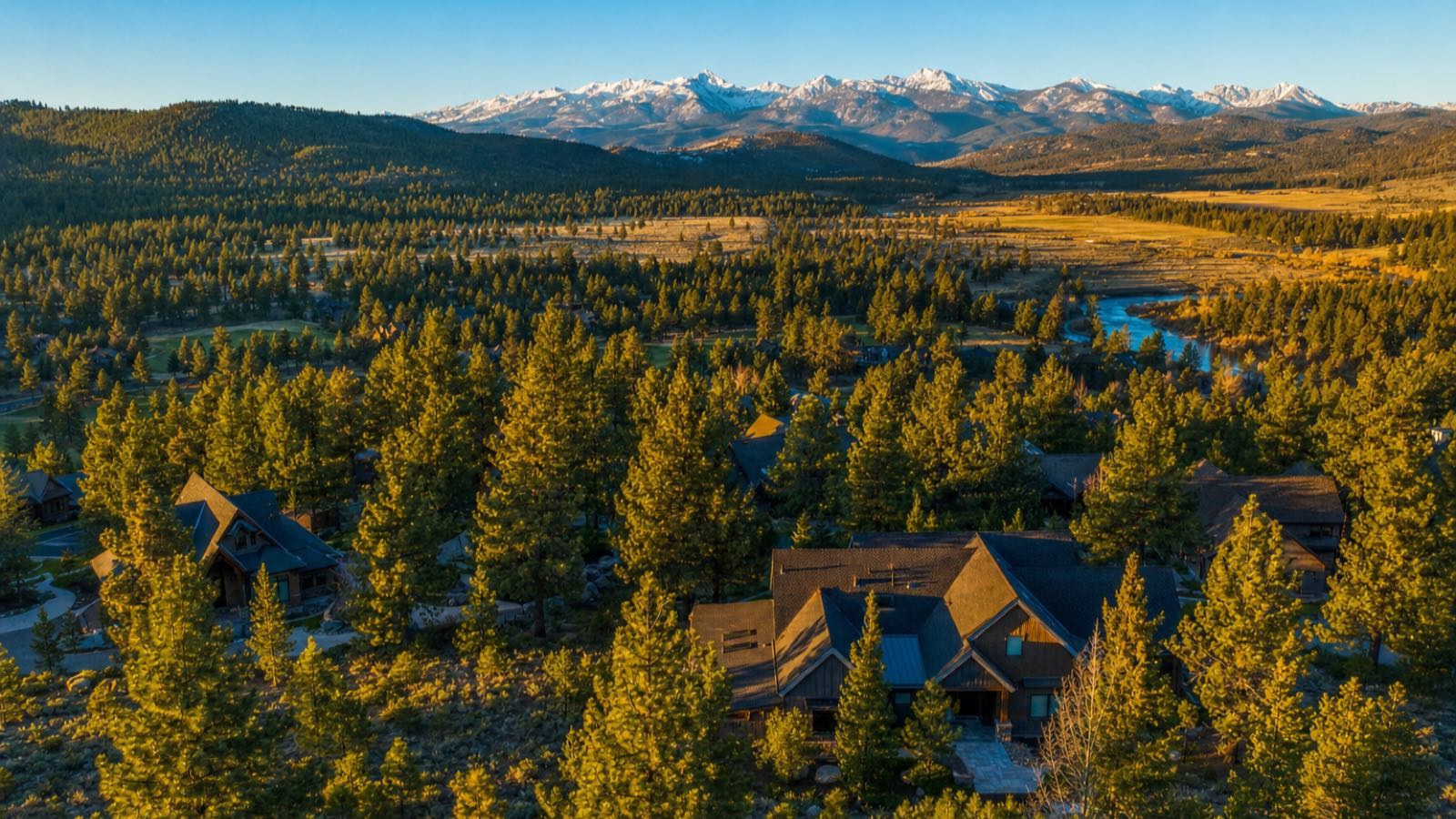
Verdi is the clearest worked example of the city-limits question in the Reno area. According to Washoe County's Verdi Area Plan, part of the county master plan, "Verdi is a small community within unincorporated Washoe County," made up of central Verdi, Mogul and Belli Ranch along the I-80 and Truckee River corridor. The 2020 Census counted 1,396 residents in the Verdi CDP and 1,258 in the Mogul CDP, both unincorporated by definition. But the same area plan also refers to land added to the Truckee Meadows Services Area in 2006 and to non-residential development "approved by the City of Reno in the Verdi planning area," and a 2022 Washoe County staff report describes parcels near Mogul Road being rolled out of Reno's sphere of influence and back into county planning. The boundary on the west side of Reno is a patchwork, not a line.
To see where it falls today, I checked the Washoe County Assessor's public parcel layer on October 8, 2026. Of 1,833 parcels with a 89439 (Verdi) situs ZIP code, 1,075 sit in tax districts 1011, 1811 and 1831, which the Nevada Department of Taxation's FY2026-27 rate book lists under the City of Reno. The other 758 sit in districts 4011 and 4811, listed under the Truckee Meadows Fire Protection District in unincorporated Washoe County.
| Subdivision (Assessor name) | Parcels with a 89439 situs ZIP | Tax districts | Jurisdiction |
|---|---|---|---|
| West Meadows Estates | 327 | 1000-series | City of Reno |
| Quilici Ranch | 317 | 1000-series | City of Reno |
| Meridian 120 North | 279 | 1000-series | City of Reno |
| River Pines | 26 | 1000-series | City of Reno |
| Glen Meadows | 142 | 4000-series | Unincorporated Washoe County |
| Verdi Lake Estates (including amended map) | 89 | 4000-series | Unincorporated Washoe County |
| Riverdale Subdivision | 53 | 4000-series | Unincorporated Washoe County |
| Sunrise Creek, Lonkey's Addition, Lett's Addition to Verdi, Crystal Peak Estates, other older plats and reversion maps | 179 | 4000-series | Unincorporated Washoe County |
| Parcels without a subdivision name, or on other maps | 421 (126 Reno, 295 county) | Both | Split |
The MLS tells the same story from the sales side. In our own pull of Northern Nevada Regional MLS data through Repliers on October 8, 2026, ZIP 89439 recorded 54 residential sales that went under contract between September 1, 2025 and August 31, 2026 and closed between October 1, 2025 and September 23, 2026, at a median $832,186 and a median 67 days on market, which in Northern Nevada Regional MLS data runs from listing to closing. When I placed each sale's MLS map point on the City of Reno's published city-limits layer, 36 of the 54 fell inside Reno, and the MLS had coded 25 of those 36 with "Verdi" as the city. All nine sales at or under the $667,808 Home Is Possible first-time price limit were outside city limits. As of October 8, 2026, 14 residential listings in the ZIP were available at a median $1,057,500, with the lowest at $682,926, and six more were under contract.
What that means for a first-time buyer: a home in Meridian 120 North or Quilici Ranch is a City of Reno home for Nevada Rural Housing purposes, whatever the mailing address says, and it pays the Reno tax rate. A home in Glen Meadows or Verdi Lake Estates is in unincorporated Washoe County, so it can be screened for Launchpad and Rural Rocks, and it pays the lower county-district rate. The tax gap is real: per the Department of Taxation's FY2026-27 table, Reno districts carry 3.6600 per $100 of assessed value and the Truckee Meadows Fire Protection districts carry 3.2402. Because assessed value is 35% of taxable value, every $100,000 of taxable value costs $1,281 a year at the Reno rate before abatement, versus $1,134 at the county-district rate. Our Verdi community page and Mogul page carry live listings for both sides of the line.
How Do You Check Whether a Specific Address Is Inside Reno?
Do it before you write an offer, because the answer can change which programs your lender reserves, which tax rate applies and which local government handles permits. Four checks, from fastest to most formal:
- Run the address through HALMap. Nevada Rural Housing's property address tool answers the program question directly: enter the address and it returns eligible or not eligible. This is the check that matters for Launchpad and Rural Rocks.
- Read the tax district on the Assessor's record. According to the Washoe County Assessor's mapping division, the office maintains maps showing appraisal neighborhoods and tax districts. A tax district in the 1000 series is the City of Reno and the 2000 series is Sparks, while the 4000, 5000 and 9000 series are unincorporated county districts, per the Department of Taxation's rate book.
- Look at the City of Reno's map. The city publishes its city limits, wards and sphere of influence as a public map service. The sphere of influence is not the city limit; land in the sphere can still be unincorporated.
- Ask your lender which county option it used. Nevada Rural Housing tells lenders to reserve Washoe loans under the "(RURAL)" option when a Reno-address property is outside city limits. If your lender picked standard Washoe, ask why.
The same check matters well beyond Verdi. The North Valleys mix City of Reno land with unincorporated Census places such as Cold Springs and Lemmon Valley, Spanish Springs is unincorporated next to Sparks, and the MLS city field is not a jurisdiction field. A buyer who assumes "Reno address means Reno city" can miss a program; a buyer who assumes "county land means rural program" can be wrong in the other direction where annexations have moved the line. If the four checks disagree, the Assessor's tax district and HALMap result are the two I would rely on, and I would ask the lender to put the program determination in writing before the inspection period ends.
Our Washoe County property taxes guide explains how the district rate turns into your bill.
Are There City of Reno or Washoe County Down Payment Programs in 2026?
Not that I could confirm as open. On October 8, 2026, the City of Reno's Homeowner Resources page listed one item under "Homebuyer Assistance Programs," and it points buyers to the Nevada Housing Division's Home Is Possible site rather than to a city-run fund. I also checked Washoe County's housing pages and found no open homebuyer assistance program listed. If a city or county program reopens, it will appear on those pages first, and a lender that participates in local programs will know before the website changes.
The other change since earlier versions of this guide is the tax credit. According to Nevada Rural Housing, "The MCC program has paused effective January 1, 2026 and is not accepting new reservations." Existing certificate holders can still have their MCC reissued after a refinance, but a new 2026 buyer cannot get one from the state's issuer, and the Nevada Housing Division's program list does not include an MCC either. If a lender or website offers you a new Nevada Mortgage Credit Certificate in 2026, ask to see the reservation.
So in practice, the down payment help available to a Washoe County first-time buyer in October 2026 comes from two state agencies: the Nevada Housing Division (Home Is Possible, HIP For Teachers, Worker Advantage and the Alpine Vista program) and Nevada Rural Housing (Launchpad and Rural Rocks), plus whatever the seller contributes.
The order of operations I recommend: check your credit score with the scoring model your lender will use, run the address through HALMap and the Assessor record, then ask a participating lender to quote the same home three ways: plain FHA or conventional, Home Is Possible at 2%, and Home Is Possible at 4%. Comparing the rate, the payment and the second-mortgage balance side by side is the only way to see which option actually costs less over the years you expect to own the home.
Where Does Starter Money Go Furthest: the North Valleys or Sparks?
Census data gives an objective starting point. According to the U.S. Census Bureau's 2020-2024 American Community Survey, owner-estimated median home values ranged from $384,000 in Lemmon Valley to $661,000 in Verdi, and the survey's year-built table shows how different the housing stock is from one area to the next. These are five-year survey averages of what owners think their homes are worth, not current sale prices, but they rank the areas consistently.
| Census place | Status | Median owner-estimated value | Median year built |
|---|---|---|---|
| Reno city | Incorporated city | $548,300 | 1990 |
| Sparks city | Incorporated city | $483,800 | 1993 |
| Cold Springs CDP | Unincorporated | $433,300 | 2004 |
| Lemmon Valley CDP | Unincorporated | $384,000 | 1979 |
| Golden Valley CDP | Unincorporated | $498,800 | 1980 |
| Spanish Springs CDP | Unincorporated | $623,900 | 2002 |
| Verdi CDP | Unincorporated | $661,000 | 1986 |
The North Valleys corridor along US-395, including Stead, Lemmon Valley, Golden Valley and Cold Springs, is where Reno-area starter budgets have the most options, and the Census table shows why: Lemmon Valley and Cold Springs post the lowest owner-estimated values in the group. The trade-offs are physical rather than social. Cold Springs' housing is the newest in the table, with a 2004 median year built, while Lemmon Valley and Golden Valley date to 1979 and 1980, so inspections there deserve the older-home checklist later in this guide. Commutes into central and south Reno are longer, wind exposure is worth asking about, and the Cold Springs, Lemmon Valley and Golden Valley CDPs are unincorporated, which is exactly where a HALMap check can add Nevada Rural Housing programs to your options. Manufactured homes are part of the lower end of this market; Home Is Possible requires a 660 score on them instead of 640, as does Nevada Rural Housing through U.S. Bank, so price them with your lender early.
Sparks has its own case. In our October 8, 2026 MLS pull, 65 Sparks-coded residential listings were available at or under $450,000 at a $369,900 median list price, against 198 in Reno at $319,250. Sparks' sub-$450,000 median list price runs $50,650 above Reno's, so compare property types and HOA dues line by line rather than assuming the cheaper median is the better buy. And unlike Reno, Sparks is on Nevada Rural Housing's eligible list, so Launchpad and Rural Rocks are open to Sparks addresses. Spanish Springs, north of Sparks, is a Census-designated unincorporated place with newer stock (a 2002 median year built) at a higher median value. The Reno case back is location: the university district, Midtown and the Old Southwest offer older, walkable neighborhoods that have no equivalent in Sparks. I compared the two cities in depth in living in Reno vs. Sparks, and ranked areas in my best Reno neighborhoods guide.
Buyers comparing a wider radius should know the limits change by county. Carson City has its own Home Is Possible first-time limits ($601,629 price, $108,332 and $124,581 income), and Fernley and Dayton are in Lyon County, where the price limit is $667,808 and the income limits are $122,270 and $140,610. Because only Clark and Washoe addresses are screened through HALMap, Nevada Rural Housing's programs apply there without the city-limits question.
Should Your First Reno Home Be New Construction or an Older Home?
Both work for a first purchase, and the deciding factors are cash, patience and tolerance for repairs. New construction in the North Valleys, Cold Springs and Spanish Springs gives you a warranty, modern systems and, often, builder incentives you can negotiate in writing. Ask every builder for its incentive sheet, compare a rate buydown against a price reduction with your lender, and remember that base prices may not include landscaping or window coverings. Builder contracts are written by the builder's lawyers, so read every page or have us walk you through it. Our Reno new construction page lists current communities, and our Reno builders guide compares them.
One tax detail catches new-build buyers. Under NRS 361.4723, the 3% cap on a primary residence limits each year's bill to 3% over the previous year's, but subsection 2 says it does not apply to property with no assessed valuation separately established for the prior fiscal year. In plain English, a brand-new home's first full tax bill is not capped, so ask the builder or title company for an estimate rather than relying on the lot's old bill. For resale homes, a sale does not reset the cap, but you have to claim it: according to the Washoe County Assessor, a transfer of ownership triggers a new affidavit mailed to the new owner to verify the status, and those affidavits go out in April and August. Until the primary-residence claim is on file, the general cap of up to 8% under NRS 361.4722 can apply.
Older stock has a different appeal. Central Reno's established neighborhoods, from the Old Southwest's brick Tudors and bungalows near the Truckee River to the mid-century streets around Midtown and Donner Springs, trade square footage for location, mature trees and lots that no new subdivision can match. Those homes are where paint, flooring and landscaping money goes furthest, and where negotiation over inspection findings is normal. If your budget reaches newer master plans such as Somersett and Damonte Ranch, compare their HOA dues and any special assessments alongside the price. If you want a renovation project, ask your lender about renovation loan products before you shop, and stress-test the plan against your monthly budget, not just the purchase price.
What Does a $450,000 Reno Home Cost Per Month at Today's Rates?
Here is the payment anatomy on a $450,000 FHA purchase with 3.5% down, using three rates. According to Freddie Mac's Primary Mortgage Market Survey, the 30-year fixed rate averaged 7.40% as of October 8, 2026, up from 7.28% the week before. That survey tracks conventional loans, so it is a benchmark rather than an FHA quote, and Freddie Mac publishes a new reading each Thursday. The other two columns use the Nevada Housing Division's posted first-time rates as of October 7, 2026.
| Line item | PMMS benchmark, 7.40% | Home Is Possible 2% option, 6.875% | Home Is Possible 4% option, 7.125% |
|---|---|---|---|
| Loan (base plus 1.75% upfront MIP) | $441,849 | $441,849 | $441,849 |
| Principal and interest | $3,059 | $2,903 | $2,977 |
| FHA annual MIP at 0.55% | $199 | $199 | $199 |
| Homeowners insurance (NAIC 2023 Nevada HO-3 average) | $84 | $84 | $84 |
| Subtotal before property tax and HOA | $3,342 | $3,186 | $3,260 |
| State assistance at closing | None | $8,837 | $17,674 |
| Property tax | Seller's current bill divided by 12 | Same | Same |
How to read it. The insurance line uses the NAIC homeowners insurance report, which put Nevada's average HO-3 premium at $1,013 a year for the 2023 data year; get a quote for your address, because a statewide average is only a placeholder. Property tax is left as a formula because it depends on the parcel: the new owner inherits the seller's abated bill and its cap, not a fresh one, as long as the primary-residence claim is filed. As a yardstick, every $100,000 of taxable value is $107 a month at Reno's unabated FY2026-27 rate. HOA dues, where they exist, add to the subtotal, and the HOA's resale package lists them.
Then compare against rent and income. According to HUD's FY2027 Fair Market Rents, the 40th-percentile rent benchmark for a three-bedroom in the Reno HMFA (Washoe and Storey counties) is $2,452 a month, and $1,837 for a two-bedroom. Owning costs more each month in year one, but about $335 of the first payment at 7.40% goes to principal, and that share grows every month. On income, the $3,342 subtotal alone requires about $89,120 a year of gross income at Home Is Possible's 45% debt ratio with no other monthly debts, before property tax. That is comfortably inside Washoe's $119,710 first-time income limit, which is why the binding constraint for most applicants is the monthly payment and debt ratio, not the program's income cap. Use our budget-by-price guide to see what each payment tier buys.

What Winter and Inspection Issues Catch Reno First-Time Buyers?
Northern Nevada's high desert freezes hard, and the western edge of the region is colder and wetter than the valley floor. According to Washoe County's Verdi Area Plan, Verdi sits at roughly 5,000 feet, with temperatures "much cooler than sections of the Truckee Meadows located farther east, with about three times as much precipitation." Your inspection plan should reflect it:
- Roof condition and snow load. Composition roofs take ultraviolet and freeze-thaw wear at altitude. Ask the inspector specifically about remaining life, ice-dam history and flashing, and price a roofer's opinion if the inspector flags anything.
- Older plumbing and sewer laterals. Older central Reno homes can still carry galvanized supply lines and clay sewer laterals vulnerable to roots. A sewer-scope camera inspection is the add-on I recommend most on older homes, because lateral repairs are expensive and invisible from the yard.
- Heating systems. A furnace near the end of its life is not a cosmetic issue where winters are real. Ask its age and service history and get a replacement quote before you remove the inspection contingency.
- Freeze protection. Exposed hose bibs, uninsulated crawl-space pipes and sprinkler backflow preventers can burst. They are inexpensive to fix, but evidence of past bursts suggests deferred maintenance elsewhere.
- Wind, drainage and wildfire exposure. Check fences, shingle edges and grading, because spring snowmelt finds bad drainage fast. In foothill and forested areas, ask the insurer about wildfire underwriting before you remove contingencies, since that answer can change your insurance line.
Wells and septic systems add a layer in parts of unincorporated Washoe County, including some older Verdi and North Valleys parcels. If the listing shows a private well or septic system, ask for a well test and a septic inspection as separate contingencies, and confirm with the lender what its program requires. New construction is not exempt from inspection either: a third-party inspection before drywall and again before closing documents problems while the builder can still fix them easily, and the warranty conversation is easier with documentation.
How Do You Win Your First Offer in Washoe County?
With a 25-day median to contract and 2.5 months of supply in Washoe County's August 2026 numbers, Reno is a functioning market, not a frenzy and not a giveaway. Well-priced starter homes still draw competition in their first week, because every first-time buyer is shopping the same small sub-$450,000 segment. What wins:
- A real pre-approval, not a pre-qualification. An underwritten pre-approval, where the lender has verified income and assets, lets you write offers with shorter financing contingencies, and listing agents can tell the difference. If you are using Home Is Possible or Launchpad, make sure the pre-approval names the program and the lender has already checked the address.
- Speed with discipline. Set alerts on our Reno search so you see new listings within a day or two, decide quickly, and never waive the inspection on an older home to win. Shorten timelines rather than deleting protections.
- Seller-credit strategy. A credit applied to a temporary or permanent rate buydown can lower your monthly payment more than an equal price cut. Ask your lender to model both on the specific home, within the FHA 6% and conventional 3% concession limits.
- Program-ready paperwork. State assistance adds program documents, homebuyer education certificates and, for Nevada Rural Housing, an address eligibility check. Having all three done before you offer removes the listing agent's main worry about assisted buyers.
The written buyer agreement is part of this now. According to the National Association of REALTORS' settlement FAQ, MLS participants working with buyers must have a written agreement before touring a home, compensation is not set by law and is fully negotiable, and offers of compensation can no longer appear on the MLS. Read the agreement before you sign it, ask how compensation will be handled if a seller does not offer any, and make sure the term and cancellation rights are clear. Our guide to choosing the right Reno agent covers the questions to ask, and the complete Reno home-buying guide walks through every step from offer to keys.
Why Do First-Time Buyers Work With Nevada Real Estate Group?
Because the first purchase is where representation matters most, and the program and jurisdiction questions in this guide are easy to get wrong without someone checking them. Nevada Real Estate Group is the #1-ranked real estate team in Nevada, with 9,600+ closings, 789 of them in 2025 alone, and a Northern Nevada team that works the Reno and Sparks markets daily, from Verdi and the North Valleys to every Northern Nevada community in between.
Here is what we can do on a first purchase. We can build your budget before the first tour, using the rate a lender actually quotes rather than a headline average. We can check every address you are serious about against HALMap and the Assessor's tax district, so you know whether Nevada Rural Housing's programs are open to you before you fall in love with a house. We can introduce you to lenders that participate in the Home Is Possible and Nevada Rural Housing programs, so you can compare a plain loan against the 2% and 4% options on the same home. And we can set up search alerts at the price that fits the payment, then negotiate the inspection credits and seller contributions that first-time buyers often leave on the table. When you eventually outgrow the starter home, the equity math on selling starts with what you bought right today.
Start the conversation the easy way: call or text (775) 277-2120, or tell us what you're looking for and we'll respond the same day. Our buyer's guide hub is free whether or not you ever work with us, and if you are new to the area, our cost-of-living and market-report guides above are the best place to start.
Frequently Asked Questions
How much money do you need to buy your first home in Reno?
On a $450,000 purchase, FHA's 3.5% minimum is $15,750 down, plus closing costs that our Reno breakdown put at roughly 1.8% of price on its sample purchase, plus Washoe County's transfer tax of $2.05 per $500 if the contract assigns it to you. VA-eligible buyers can put nothing down when the price does not exceed the appraised value. Home Is Possible's 4% first-time option, figured on a $441,849 total FHA loan, would be $17,674, enough to cover the whole down payment. The real limit for most buyers is the monthly payment, not the cash.
Is Verdi part of the City of Reno?
Partly. Washoe County's Verdi Area Plan describes Verdi as a community within unincorporated Washoe County, and the Verdi and Mogul Census places are unincorporated. But Washoe County Assessor data from October 8, 2026 puts 1,075 of the 1,833 parcels with a 89439 situs ZIP in City of Reno tax districts, including West Meadows Estates, Quilici Ranch, Meridian 120 North and River Pines. Glen Meadows, Verdi Lake Estates, Riverdale and the older Verdi plats are in unincorporated county districts. Check each address on the Assessor's record or HALMap before you rely on either answer.
Can I use Nevada Rural Housing down payment assistance in Reno?
Not inside Reno city limits. Nevada Rural Housing says properties within the city limits of Reno are not eligible, while Sparks is eligible, and a property with a Reno address outside city limits can qualify. Its programs include Launchpad for First-Time Homebuyers (2% or 4%), Launchpad (3% or 5%) and Rural Rocks $20K. Enter the property address in the agency's HALMap tool before you rely on the program, and ask your lender to reserve the loan under the correct Washoe County option. Home Is Possible, from the Nevada Housing Division, does work inside Reno city limits.
What are the Home Is Possible income and price limits in Washoe County?
As of the limits active June 15, 2026, the first-time track allows household income up to $119,710 for one or two people and $137,666 for three or more, with a $667,808 maximum purchase price in Washoe County. You must not have owned a home in the past three years, need a 640 credit score (660 for manufactured homes), and must complete homebuyer education. The repeat-buyer track allows income up to $165,000 and a price up to $832,750, and Worker Advantage uses a $175,200 Washoe income limit at 150% of area median.
Is Home Is Possible down payment assistance forgivable?
No. The Nevada Housing Division describes the first-time and repeat-buyer assistance as a no-interest, no-payment, non-forgivable second mortgage on a 30-year term, repaid when you sell or refinance. Worker Advantage's $20,000 is also non-forgivable. HIP For Teachers is the exception among the Division's programs: its $7,500 is forgivable after five years in the home. At Nevada Rural Housing, Launchpad assistance is never forgiven, while Rural Rocks $20K is forgiven at the end of its 30-year term, but repayable in full if you sell or refinance before then.
What credit score do you need to buy a first home in Reno?
It depends on the program. FHA allows maximum financing at 580 and limits scores from 500 to 579 to 90% loan-to-value. The VA sets no minimum score of its own, so the lender's standards apply. Fannie Mae sets no minimum score for loans underwritten through its Desktop Underwriter system, and 620 for manually underwritten fixed-rate loans. Home Is Possible needs 640 (660 for manufactured homes), and as of October 2026 its servicer accepts Classic FICO scores, not VantageScore 4.0. Nevada Rural Housing needs 620 or 640 depending on the servicer.
What is the FHA loan limit in Washoe County for 2026?
HUD's 2026 FHA limit for a one-unit home in Washoe County, listed under the Reno metro area, is $638,250. The two-unit limit is $817,050. Those figures are higher than the $541,287 national floor because Washoe's home prices are higher. The conforming limit for Fannie Mae and Freddie Mac loans in Washoe County is the national baseline of $832,750 for 2026, and VA loans have no limit for borrowers with full entitlement, although the lender still has to approve the amount.
Which Sources Inform This Reno First-Time Homebuyer Guide?
Market figures come from Sierra Nevada REALTORS' August 2026 report and from our own pull of Northern Nevada Regional MLS data through Repliers on October 8, 2026 (residential listings only, vacant land excluded). Jurisdiction figures come from the Washoe County Assessor's parcel layer and the City of Reno's city-limits map service, both queried on October 8, 2026. Program, loan and tax rules come from the agencies below, each opened on October 8, 2026.
- Nevada Housing Division, Home Is Possible for first-time homebuyers
- Nevada Housing Division, first-time homebuyer income and purchase price limits
- Nevada Housing Division, today's rates and program highlights
- Nevada Housing Division, Worker Advantage
- Nevada Rural Housing, homeownership programs and eligibility
- Nevada Rural Housing, program rates, options and requirements
- HUD, FHA mortgage limits lookup
- FHFA, 2026 conforming loan limit values
- HUD, Single Family Housing Policy Handbook 4000.1
- VA, funding fee and closing costs
- Freddie Mac, Primary Mortgage Market Survey
- Washoe County, Verdi Area Plan
- Nevada Department of Taxation, FY2026-27 property tax rates
- Washoe County Recorder, real property transfer tax
- Nevada Revised Statutes, chapter 361 (property tax abatement)
- Sierra Nevada REALTORS, August 2026 market report
- HUD, FY2027 Fair Market Rents schedule
- U.S. Census Bureau, census designated places
Ready for the kitchen-table conversation? Call or text Nevada Real Estate Group at (775) 277-2120 and let's map your path from renter to owner in Reno, Sparks, or anywhere in Northern Nevada.