
Published June 25, 2026 · Updated June 25, 2026 · By Chris Nevada, Nevada Real Estate Group · NV License S.181401
Almost everyone who visits Lake Tahoe leaves wondering the same thing: could I actually live here? It is one of the most beautiful places in the country, and the dream of waking up to that alpine water is powerful. But the dream comes with a real budget, and the honest answer to "what does it cost to live on Lake Tahoe?" is: more than most people expect, and it depends heavily on which side of the state line you choose. Between high home prices, wildfire-driven insurance, winter utility bills, and association or recreation fees, Tahoe is a premium market — but for many buyers, it is achievable with the right plan and the right side of the lake.
For another breakdown of the continuing household budget, compare Nevada-side Lake Tahoe living costs alongside these ownership costs.
I'm Chris Nevada, and across the Lake Tahoe closings Nevada Real Estate Group has represented, the buyers who succeed here are the ones who budgeted for the full picture, not just the mortgage. This guide breaks down every major cost of living on the lake in 2026 — housing, property taxes, insurance, utilities, fees, and everyday expenses — plus the income you realistically need. For the geography and tax-side context, pair this with our Is Lake Tahoe in California or Nevada guide.
Living on Lake Tahoe in 2026 is a premium proposition: median home prices run from about $800,000 on the south shore to $1.5 million-plus on the Nevada north shore, plus wildfire insurance of $3,000 to $10,000-plus a year and HOA or IVGID fees. A household generally needs $200,000-plus in income to own comfortably. The Nevada side adds no state income tax. Call (775) 277-2120 to explore Lake Tahoe.
- Tahoe home prices range from about $800,000 (south shore) to $1.5 million-plus (Nevada north shore).
- Wildfire insurance is the wild card — often $3,000 to $10,000-plus a year, and rising.
- The Nevada side (Incline Village, Crystal Bay) adds no state income tax — a major cost advantage.
- Winter utilities, snow removal, and HOA or IVGID fees add thousands to the annual budget.
- A household generally needs $200,000-plus in income to comfortably own a typical Tahoe home.
Shopping the area? Browse live Lake Tahoe homes for sale — every active MLS listing with prices, photos, and instant filters.
What Does It Cost to Live on Lake Tahoe in 2026?
The short answer is that Lake Tahoe is one of the more expensive places to live in the West, driven primarily by housing and insurance. According to the Reno/Sparks Association of REALTORS and broader regional data, home prices on the lake run well above the Northern Nevada average, and the carrying costs — insurance, utilities, and fees — add a premium layer on top of the mortgage.
But "expensive" is relative and depends on the side of the lake. The California shore offers more attainable entry points, especially in South Lake Tahoe, while the Nevada north shore (Incline Village and Crystal Bay) is a luxury market with the offsetting benefit of no state income tax. According to the Nevada Department of Taxation, that income-tax difference can swing the total cost of living dramatically for higher earners. The rest of this guide breaks down each cost so you can build a realistic budget. Start your search on our Lake Tahoe homes for sale hub.
How Much Does Housing Cost on Lake Tahoe?

Housing is the single biggest cost, and it varies widely by location and tier. According to the Reno/Sparks Association of REALTORS, the Nevada north shore commands the highest prices, while the California south shore is more attainable.
| Area | Median home price | Typical rent (long-term) |
|---|---|---|
| Incline Village / Crystal Bay (NV) | about $1.5M | $3,500 – $6,000/mo |
| North/West shore (CA) | $900,000 – $1.5M | $3,000 – $5,000/mo |
| South Lake Tahoe (CA) | about $800,000 | $2,500 – $4,000/mo |
| Lakefront (any shore) | $5M – $50M+ | Rarely rented long-term |
A $1 million home with 20% down runs a principal-and-interest payment around $5,000 a month at the 2026 mortgage rates tracked by Freddie Mac; a $1.5 million Incline Village home pushes that past $7,500. According to the Federal Housing Finance Agency, Tahoe values have appreciated strongly over the long term, supported by limited supply under environmental rules. Renting before buying is common and smart, letting you test a season first. Browse the lake on our Lake Tahoe and Incline Village pages, and our Lake Tahoe cabins for sale page for the entry tier.
How Much Are Property Taxes on Lake Tahoe?
Property taxes depend on which state you buy in, and the gap favors Nevada. According to Nevada Revised Statutes Chapter 361, the Nevada effective rate runs near 0.6% of market value with a 3% annual cap on owner-occupied homes. According to the California Franchise Tax Board, California's Proposition 13 framework produces an effective rate closer to 0.7% to 0.8%.
In dollars, that means a $1.5 million Incline Village home pays roughly $9,000 a year in Nevada property tax, while a comparable California home might pay $10,500 to $12,000. The difference is modest on property tax alone — but the real gap is income tax. According to the Nevada Department of Taxation, Nevada has no state income tax, while California taxes income up to 13.3%. For a high earner, that swing dwarfs any property-tax difference and is the single biggest reason the Nevada north shore commands a premium. We help buyers model both sides, and our home valuation tool covers the property-tax math for any address.
How Much Is Home Insurance on Lake Tahoe?
Here is the cost that surprises buyers most: wildfire insurance. According to the Federal Emergency Management Agency, the Sierra Nevada is a high wildfire-risk region, and insurers have responded with sharply higher premiums and, in some cases, non-renewals across both states.

In practice, a standard Tahoe home can run $3,000 to $7,000 a year to insure, and higher-risk or higher-value properties can exceed $10,000 — far above what most buyers pay elsewhere. Some homes require state-backed or surplus-lines coverage when standard carriers decline. The good news is that buyers can lower premiums through defensible-space landscaping, fire-resistant roofing and materials, and community fire-mitigation programs. According to the Federal Emergency Management Agency, these mitigation steps measurably reduce risk. The critical move is to get an insurance quote before you remove your contingencies — never assume coverage will be affordable or available. We connect buyers with local insurance specialists early in every Tahoe transaction.
What Are Utility and Heating Costs on the Lake?
Utilities run higher on Lake Tahoe than in lower, milder areas, mostly because of the long, cold winters. Heating a home through a Sierra winter — whether by natural gas, propane, or electricity — is a meaningful annual cost, and homes at higher elevations or with poor insulation feel it most.
A typical full-time Tahoe household might budget $300 to $600 a month for combined utilities, more for larger or older homes, plus snow removal that can run $1,000 to $3,000 a season if you hire it out. Propane-heated homes at higher elevations can see winter heating bills spike well above that range during a cold stretch, and homes that sit empty between visits still need to be kept above freezing to protect the pipes, so even second-home owners cannot fully switch the heat off in winter. According to the National Weather Service, the Tahoe basin receives heavy snowfall, so snow management is not optional — it is a line item. Water and sewer are provided by local districts and are generally reasonable. For buyers, the practical step is to ask sellers for a year of utility bills during due diligence, since costs vary enormously by home age, size, and elevation. Energy-efficient homes and newer construction can cut these bills substantially, which is one reason buyers explore new construction options where available.
What About HOA and IVGID Fees on Lake Tahoe?
Many Tahoe properties carry association or district fees, and they add up. On the Nevada north shore, the Incline Village General Improvement District (IVGID) charges a recreation fee tied to property ownership that funds private beaches, the Diamond Peak ski resort, golf, and the rec center. According to the State of Nevada, general improvement districts are authorized to levy such fees for the services they provide.
In addition, condo and planned-community owners across the lake pay HOA dues that can range from a few hundred dollars a month for a basic condo to well over $1,000 a month for amenity-rich or lakefront associations. These fees cover maintenance, common areas, and sometimes amenities like piers and buoys. For buyers, the IVGID fee is often a feature rather than a burden — it grants private beach access that adds real value — but you must factor it and any HOA dues into the monthly budget. We itemize every fee a property carries during due diligence so there are no surprises. The fee structure differs sharply between Incline Village and the California communities.
How Does the Nevada Side Compare to the California Side on Cost?
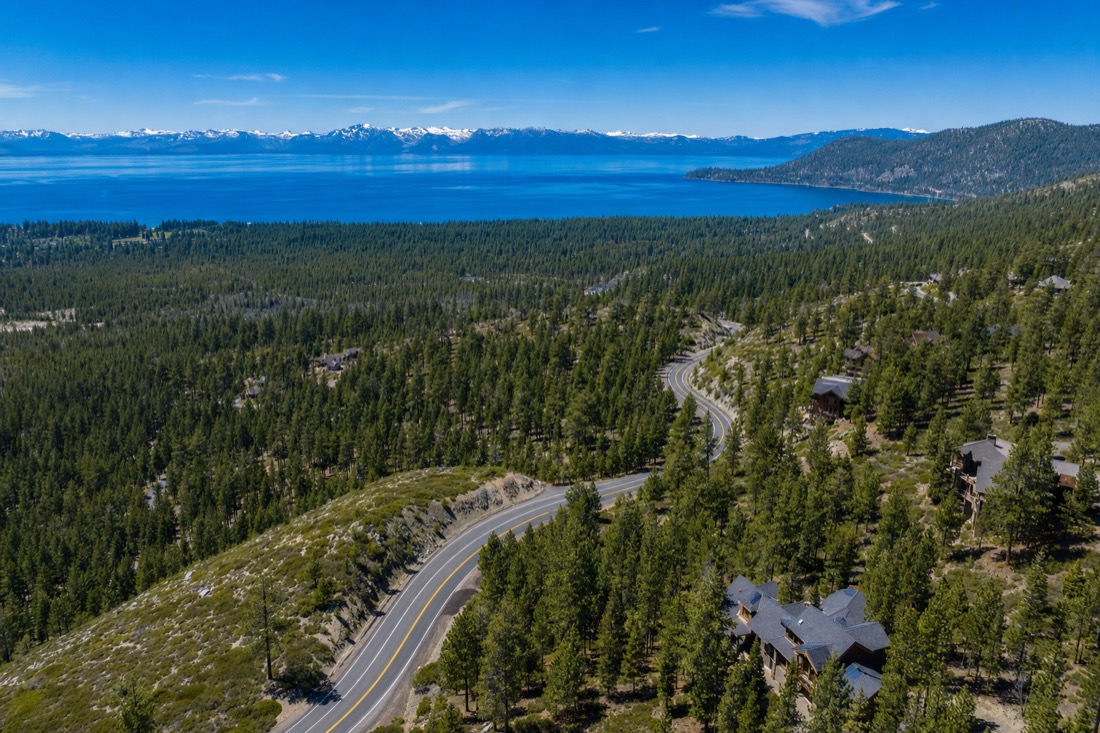
The state line creates two very different cost pictures on the same lake. The decisive factor is income tax, but property tax, insurance, and home prices all play in.
| Cost factor | Nevada side (Incline Village) | California side (South/West shore) |
|---|---|---|
| State income tax | 0% | Up to 13.3% |
| Median home price | about $1.5M | $800K – $1.5M |
| Effective property tax | about 0.6% | about 0.7% – 0.8% |
| Wildfire insurance | $3K – $10K+ | $3K – $10K+ |
According to the Nevada Department of Taxation and the California Franchise Tax Board, the income-tax gap is the swing factor: a high earner who establishes genuine Nevada residency on the north shore can save far more in avoided income tax than the higher home price costs. For lower-income or fixed-income buyers, the California south shore's more attainable home prices may win out. In my experience, the right side of the lake depends entirely on your income profile and goals. Buyers also weigh off-lake Reno and Carson City for a lower-cost base within an hour.
What Does It Cost to Own a Second Home on Lake Tahoe?
Many Tahoe buyers purchase a second home rather than a primary residence, and the cost math is different. A second home does not qualify for owner-occupied property-tax protections in the same way, and you cannot claim Nevada residency's income-tax benefit unless Tahoe becomes your true domicile.
For a $1.5 million second home, budget for the mortgage (around $7,500 a month financed), property tax (about $9,000 a year on the Nevada side), wildfire insurance ($3,000 to $10,000-plus), utilities even when away, HOA or IVGID fees, and maintenance — easily $120,000 to $150,000 a year all-in before any rental offset. Some owners offset costs with short-term rentals, but according to the Tahoe Regional Planning Agency and local jurisdictions, short-term rental rules vary and have tightened, so never assume rental income is guaranteed. We help second-home buyers model the true carrying cost and the rental-rule landscape before they buy.
How Much Income Do You Need to Live on Lake Tahoe?
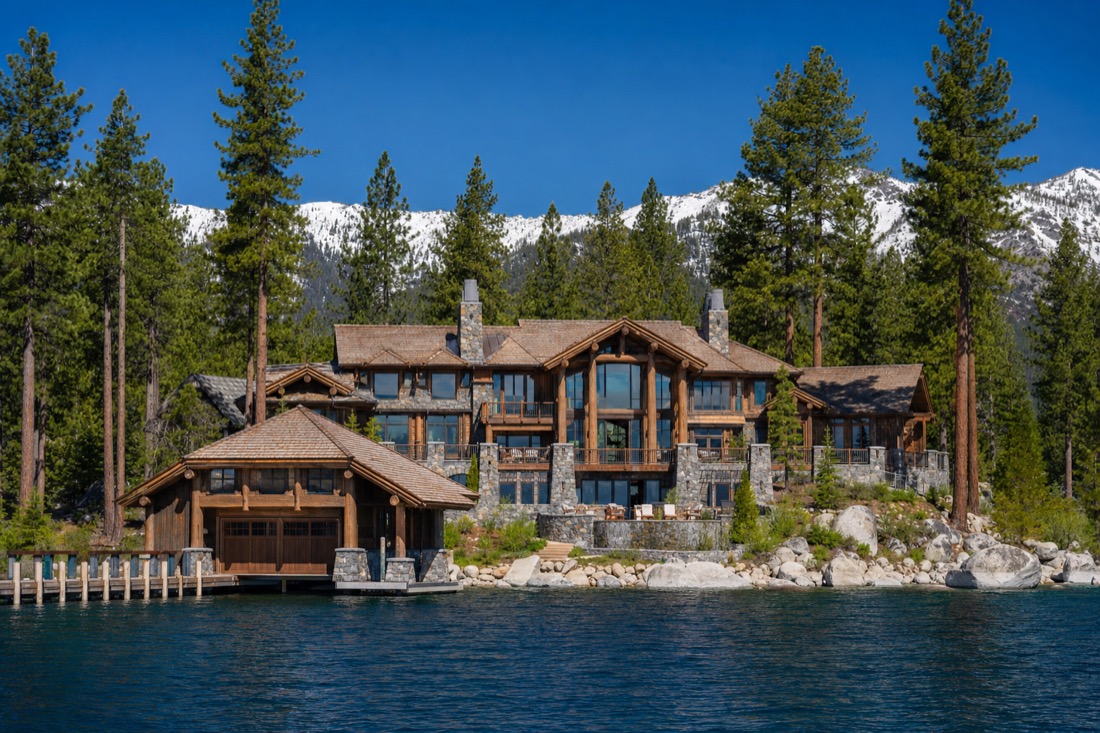
Putting it together, here is a realistic look at the income needed to comfortably own at different Tahoe price points, using standard affordability guidelines.
| Home price | Rough income needed | Typical buyer |
|---|---|---|
| $800,000 (south shore) | $160,000 – $180,000 | Dual-income professionals |
| $1,200,000 | $220,000 – $260,000 | Established families, remote execs |
| $1,500,000 (Incline) | $280,000 – $320,000 | High earners, business owners |
| $5,000,000+ (lakefront) | $900,000+ or cash | Ultra-high-net-worth |
These figures assume roughly 20% down and factor in the higher insurance and fees Tahoe carries. According to the Bureau of Labor Statistics, incomes at these levels are well above the regional median, which is why full-time Tahoe ownership skews toward high earners, remote professionals, and retirees with substantial assets. On the Nevada side, the absence of state income tax effectively raises your buying power for any given salary. For buyers who fall short of these thresholds, renting first or buying off-lake in Reno or Sparks and visiting often is a sensible path.
How Can Buyers Lower Their Cost of Living on Lake Tahoe?
Tahoe is expensive, but there are real levers to reduce the cost. The biggest is location: buying on the Nevada north shore captures the no-income-tax benefit for those who establish residency, while buying on the California south shore lowers the entry price. Choosing a smaller or off-lake home rather than a lakefront estate dramatically cuts every cost line.
Beyond location, buyers can reduce wildfire-insurance premiums through defensible space and fire-resistant materials, cut utility bills with energy-efficient or newer homes, and avoid amenity-heavy HOAs if they do not need the extras. Buying in the shoulder seasons can also mean less competition and better negotiating leverage. According to the Federal Emergency Management Agency, mitigation investments pay back in lower premiums and lower risk. In my experience, the buyers who control Tahoe costs best are deliberate about the side of the lake, the home's efficiency, and the insurance picture before they commit. We help buyers optimize all three, and our buyer resources walk through the financing side.
Is Living on Lake Tahoe Worth the Cost?
For the people who do it, the answer is almost always yes — but it is a lifestyle decision, not a value play. Lake Tahoe offers some of the most beautiful surroundings in the country, world-renowned skiing and lake recreation, clean alpine air, and, on the Nevada side, a meaningful tax advantage. For those who can afford it, the quality of life justifies the premium.
The honest caveats are the high housing and insurance costs, the demands of mountain winters, and the seasonal swings of a resort area. According to the Tahoe Regional Planning Agency, the lake's protected status keeps the setting pristine and supply limited, which sustains both the lifestyle and long-term values. The buyers who are happiest here went in with a full-budget plan and chose the side of the lake that fit their finances. If that sounds like you, Tahoe can be one of the most rewarding places to own in America. Our Lake Tahoe market report covers the investment dynamics.
How Do I Buy a Home on Lake Tahoe?
If the budget works, the path is straightforward but rewards local expertise. Start by deciding your side of the lake based on your income profile — Nevada north shore for the tax advantage, California for a lower entry price — then get pre-approved or arrange proof of funds. Get a wildfire-insurance quote early, before removing contingencies, since it can make or break affordability.
From there, work with an agent who closes on the lake regularly and knows the micro-markets, the IVGID privileges, the HOA structures, and the rental rules block by block. We coordinate private showings, off-market opportunities, insurance and lender introductions, and remote closing for out-of-area buyers, and we itemize every carrying cost so there are no surprises. When you need to sell an existing home to fund the purchase, our seller resources and a free home valuation map out the strategy. Reach our team through the contact page or call (775) 277-2120 to start.
Frequently Asked Questions About the Cost of Living on Lake Tahoe
How much does it cost to live on Lake Tahoe in 2026?
Living on Lake Tahoe is a premium proposition. Median home prices run from about $800,000 on the California south shore to $1.5 million-plus on the Nevada north shore, plus wildfire insurance of $3,000 to $10,000-plus a year, winter utilities, snow removal, and HOA or IVGID fees. All-in, a typical full-time Tahoe household generally needs $200,000-plus in income to own comfortably. The Nevada side adds the advantage of no state income tax.
Is it cheaper to live on the Nevada or California side of Lake Tahoe?
It depends on your income. The California south shore has lower home prices, which helps lower- and fixed-income buyers. But the Nevada side (Incline Village, Crystal Bay) has no state income tax, which can save high earners far more than the higher home price costs. For top earners, the Nevada side is usually cheaper overall once income tax is counted; for budget-focused buyers, the California south shore can win.
How much is home insurance on Lake Tahoe?
Wildfire insurance is the biggest cost surprise on the lake. A standard Tahoe home often runs $3,000 to $7,000 a year to insure, and higher-risk or higher-value homes can exceed $10,000. Some homes require state-backed or surplus-lines coverage when standard carriers decline. Defensible space, fire-resistant materials, and community mitigation programs can lower premiums. Always get an insurance quote before removing contingencies.
What income do you need to live on Lake Tahoe?
For a typical lake home, plan on $200,000-plus in household income. An $800,000 south-shore home needs roughly $160,000 to $180,000; a $1.2 million home needs $220,000 to $260,000; a $1.5 million Incline Village home needs $280,000 to $320,000. Lakefront estates above $5 million typically require $900,000-plus in income or a cash purchase. The Nevada side's lack of income tax effectively raises buying power.
Are property taxes high on Lake Tahoe?
Property taxes are moderate by national standards on both sides. Nevada's effective rate runs near 0.6% of value with a 3% cap on owner-occupied homes, so a $1.5 million Incline Village home pays roughly $9,000 a year. California's rate runs closer to 0.7% to 0.8%. The bigger tax story is income tax — Nevada has none, while California taxes income up to 13.3%, which is the decisive factor for high earners.
Can I offset Tahoe costs by renting my home short-term?
Sometimes, but never assume it. Short-term rental rules vary by jurisdiction around the lake and have tightened in recent years to manage tourism impacts. Some areas cap or restrict short-term rentals, and rules change. If rental income is part of your budget, verify the specific jurisdiction's current rules before buying, and treat any income as a bonus rather than a guarantee. We help buyers understand the rental-rule landscape for any property.
Which Sources Inform This Lake Tahoe Cost Guide?
This guide draws on government, agency, and regional MLS sources. No competitor listing portals were used.
- Reno/Sparks Association of REALTORS — market statistics
- Nevada Department of Taxation — Nevada tax framework
- California Franchise Tax Board — California taxes
- Nevada Revised Statutes Chapter 361 — property-tax cap
- Federal Emergency Management Agency — wildfire risk
- Tahoe Regional Planning Agency — bi-state lake planning
- Federal Housing Finance Agency — House Price Index
- Freddie Mac (PMMS) — mortgage rates
- Bureau of Labor Statistics — income and cost data
- National Weather Service — climate
This guide reflects conditions current as of mid-2026 and is intended for informational purposes only. Insurance and tax-residency rules are complex and change — consult qualified insurance and tax professionals and a licensed Nevada real estate professional before making any purchase decision. Nevada Real Estate Group · Chris Nevada · License S.181401 · (702) 637-1759 · Northern Nevada office line (775) 277-2120.